Rental squeeze: How São Paulo's tightening market is reshaping the deal between tenants and landlords
As vacancy rates plummet and regulation tightens, both sides of São Paulo's rental equation face unprecedented pressure.
As vacancy rates plummet and regulation tightens, both sides of São Paulo's rental equation face unprecedented pressure.
The tension is palpable on both sides of São Paulo's rental divide. In neighbourhoods from Vila Madalena to Tatuapé, tenants are facing steeper deposits, shorter lease terms, and landlords demanding guarantees that would have seemed unthinkable five years ago. Meanwhile, property owners—particularly smaller investors—are navigating a landscape of stricter tenant protections and slower eviction processes that have fundamentally altered their risk calculations.
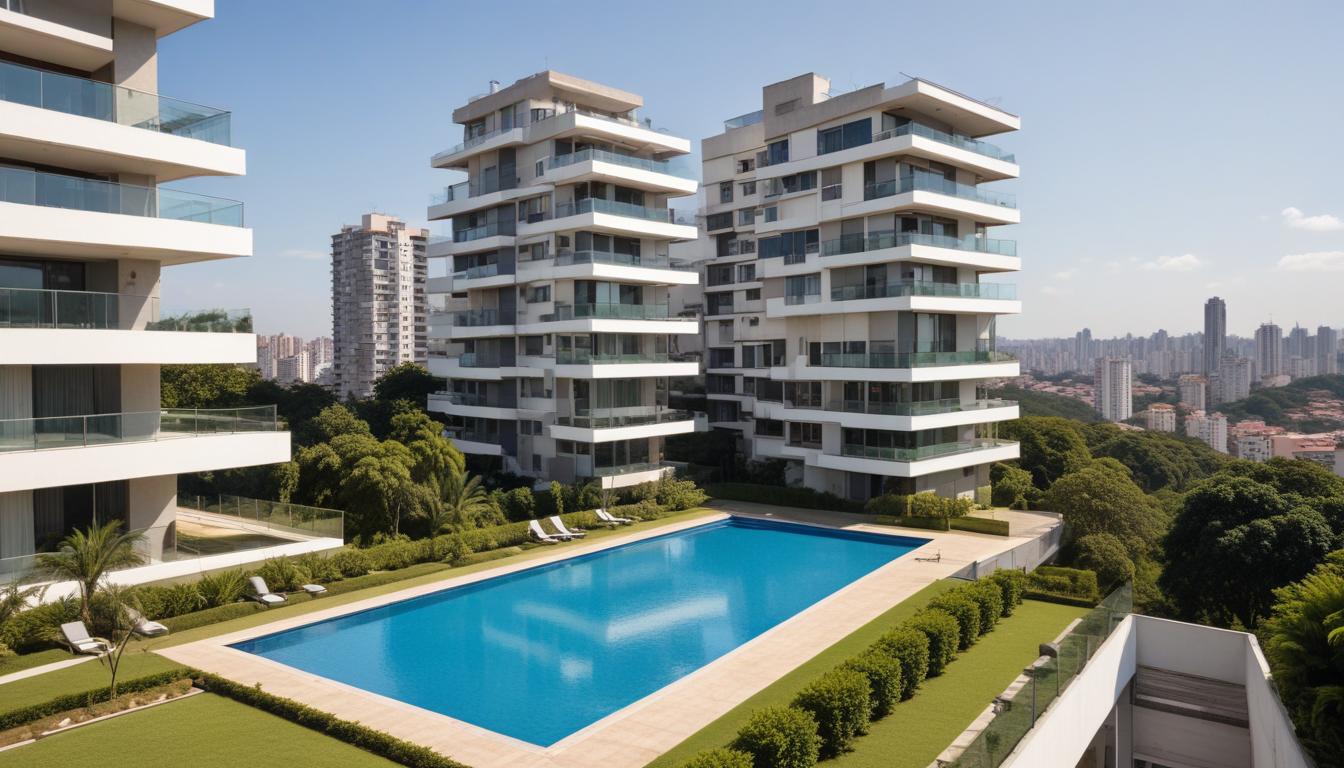
The numbers tell a stark story. Current vacancy rates in prime areas like Pinheiros and Jardins hover near 3 percent, compared to the historical 5-7 percent range. Rents in these zones have climbed to around BRL 8,000-12,000 per square metre annually, with some Itaim Bibi penthouses commanding premium multiples. But the real pressure exists in middle-market segments—Vila Madalena studios and one-bedroom units in Mooca—where working professionals increasingly find themselves outbid or rejected based on credit scores and employment stability.
"The calculus has completely shifted," says the real estate sector, with landlords now demanding guarantees from third parties, often parents or employers, to mitigate risk. The shortage of rental stock has handed property owners leverage they haven't seen in years, yet regulatory frameworks—including strengthened tenant protections under state housing policy—have simultaneously constrained their ability to evict or adjust terms mid-lease.
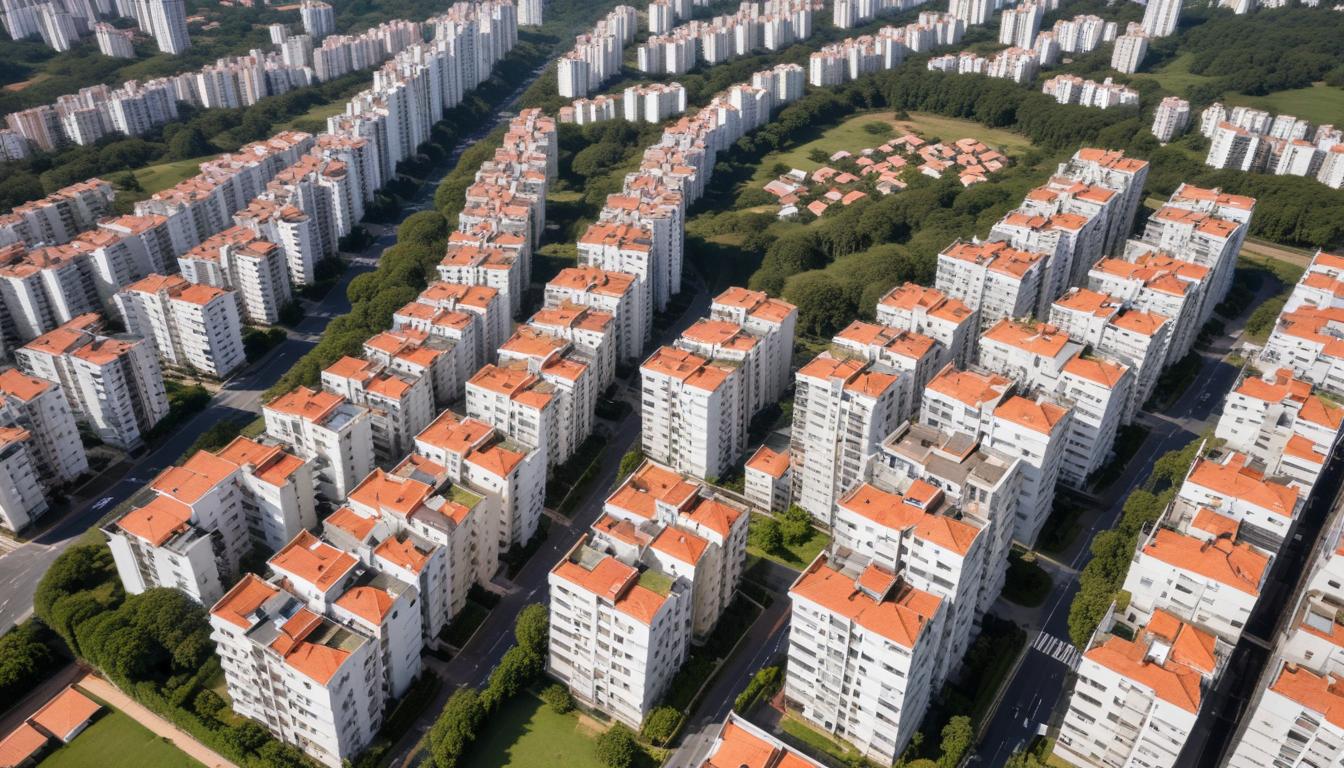
Social housing remains a pressure valve, though an inadequate one. Programs targeting lower-income families in outer zones like Tatuapé and Sapopemba offer relief, but demand vastly exceeds supply. São Paulo's chronic shortage of affordable rental units—exacerbated by developers' preference for purchase-focused projects—means vulnerable renters are increasingly squeezed into informal arrangements or relocation to periphery neighbourhoods, stretching commute times and quality-of-life calculations.
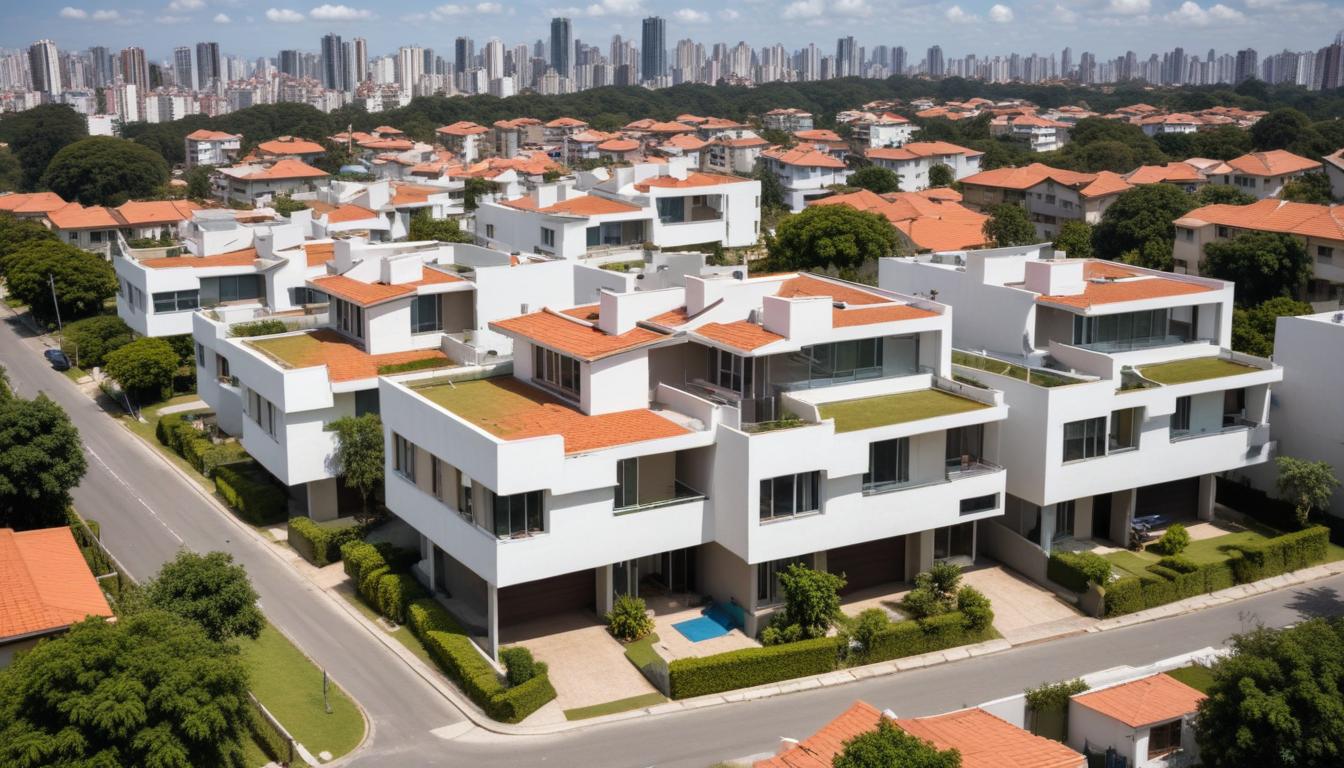
For smaller landlords managing 1-3 properties as retirement income, the margin for error has narrowed. Extended vacancies, regulatory compliance costs, and the possibility of problematic tenants with lengthy legal protections have pushed some to exit the rental market entirely, converting units to short-term holiday lets or sitting on unrented properties rather than accepting unfavourable long-term leases.
The contradiction is real: stricter tenant protections and social housing policy are intended to stabilize renters' lives, yet by constraining supply and landlord flexibility, they may inadvertently reduce available stock and inflate prices in segments where affordability matters most. São Paulo's rental market has become a high-stakes game where regulation, scarcity, and demographic demand collide—with neither tenants nor landlords feeling secure.
This article was compiled by AI from the sources linked above and screened before publishing. See our editorial standards.
How does this story make you feel?
Spread the word
About this article
Published by The Daily São Paulo
Daily brief
Free, in your inbox before 7am. Weekdays.
More in Property