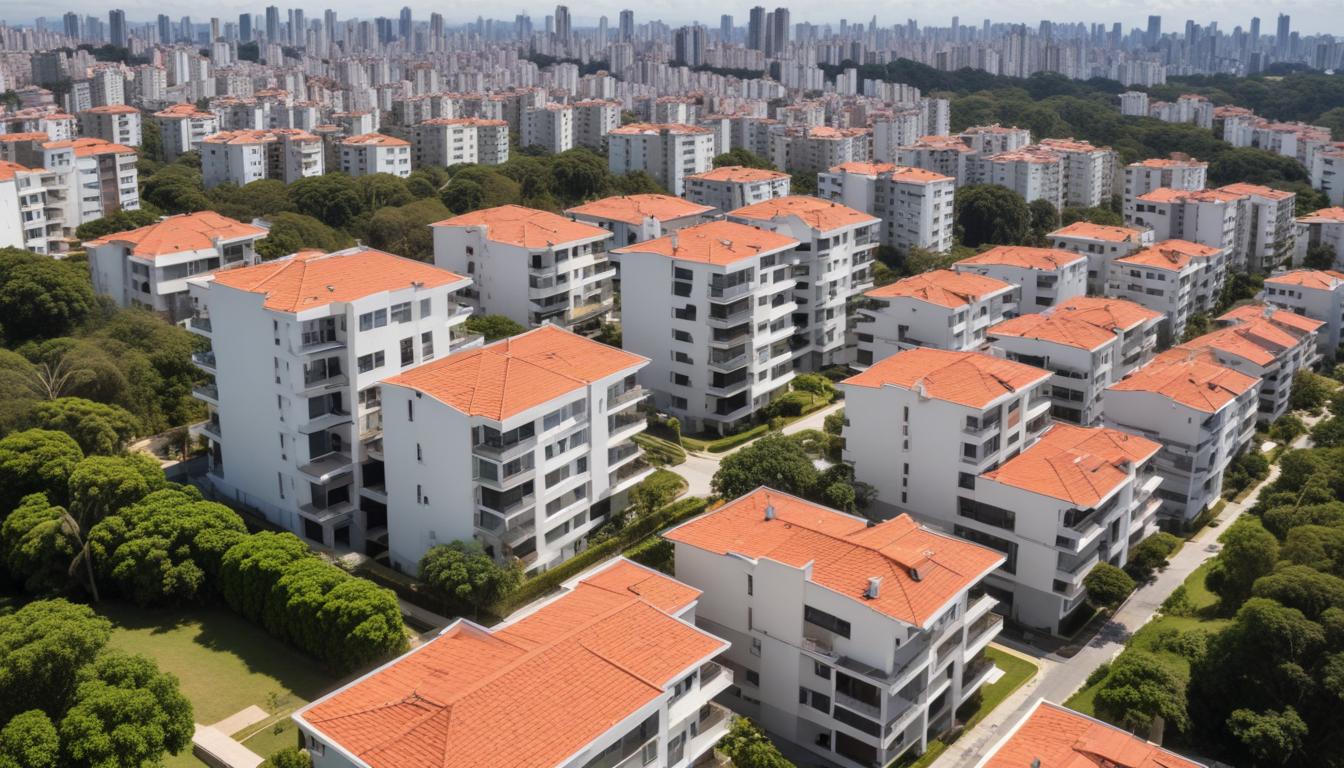
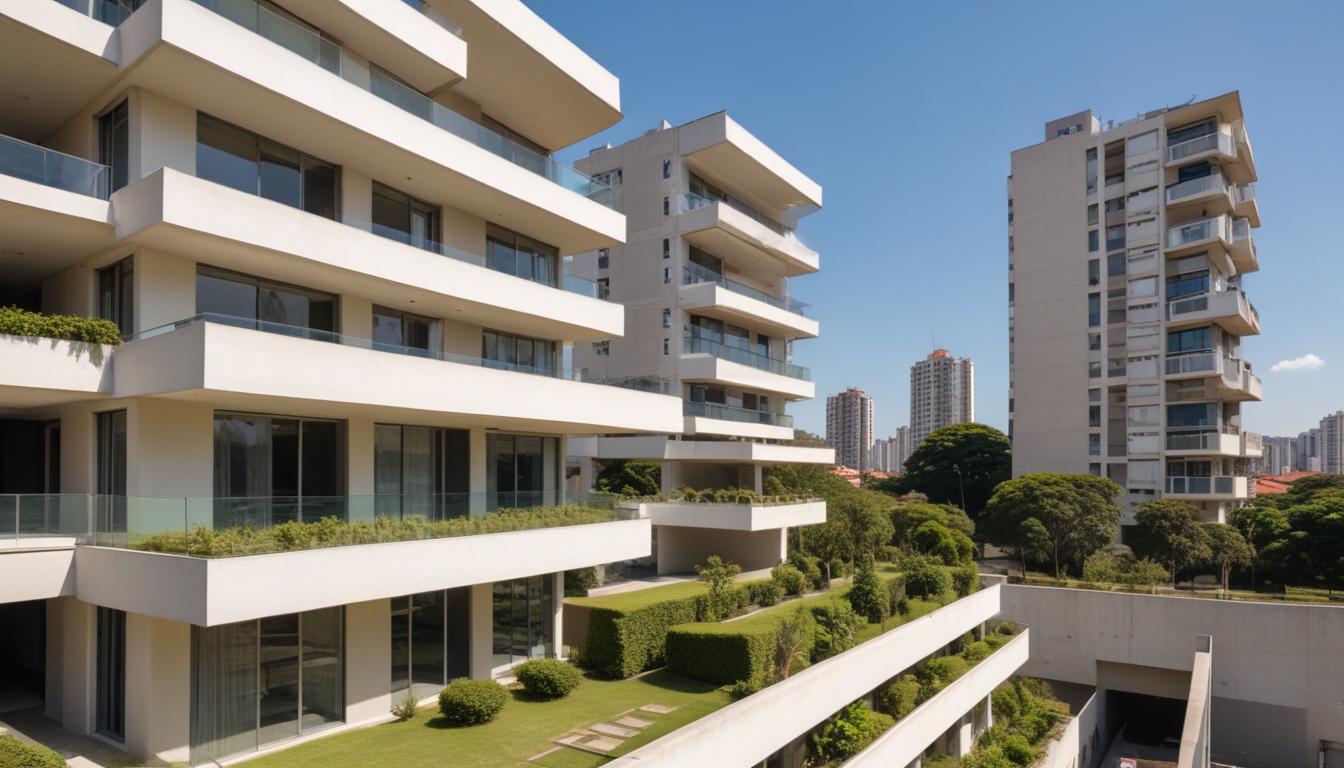
For years, Mooca existed in the shadow of São Paulo's more celebrated addresses. While investors queued to snap up penthouses in Itaim Bibi and Vila Madalena's vintage converted lofts commanded premium rents, this Zona Leste neighbourhood remained a quiet affair of modest apartment blocks and family-run businesses along Avenida Rangel Pestana.
No longer. Real estate agents across the city are now pointing to Mooca as São Paulo's most compelling emerging market, where strategic infrastructure investment and generational demographic shifts are quietly rewriting the investment calculus.
The numbers tell the story. Average prices in Mooca have climbed to approximately BRL 8,500 per square metre—roughly 15 per cent below the municipal average of BRL 10,000—yet the trajectory is unmistakable. Over the past 18 months, new residential launches have accelerated dramatically, with developers including major players now targeting the neighbourhood's underutilised riverfront precinct along the Tamanduateí.
What's driving the shift? Three converging factors. First, the recently expanded Metro Linha Vermelha extension has dramatically reduced commute times to Avenida Paulista and the financial district, making Mooca viable for young professionals previously priced out of central zones. Second, cultural infrastructure—including the refurbished Estação Tatuapé arts precinct and emerging gallery spaces along Rua Vergueiro—has begun attracting the creative class that historically clustered in Vila Madalena. Third, and perhaps most significant, developers have recognised the neighbourhood's substantial housing shortage, with the Instituto Brasileiro de Geografia e Estatística noting that Mooca's population density remains 30 per cent below comparable Zona Leste neighbourhoods.
The investment thesis is straightforward: as Jardins and Pinheiros prices breach BRL 15,000 per square metre, renters and first-time buyers are seeking alternatives. Mooca offers genuine value without the extreme prices of premium addresses or the speculative uncertainty of further-flung suburbs like Tatuapé.
Local commercial activity reflects this momentum. New restaurants and specialty coffee roasters have opened along Avenida Independência, while residential projects now regularly feature the amenities—co-working spaces, roof gardens, home offices—that became essential post-2020.
Market watchers caution against irrational exuberance: São Paulo's property cycle remains vulnerable to interest rate movements and macroeconomic uncertainty. Yet for investors with medium-term horizons and appetite for neighbourhoods outside the traditional premium postcodes, Mooca represents exactly the kind of overlooked opportunity that precedes sustained appreciation.
The question is not whether Mooca will appreciate—the fundamentals suggest it will. Rather, how much longer investors have before the market reprices what savvy observers have already recognised.
This article was compiled by AI from the sources linked above and screened before publishing. See our editorial standards.