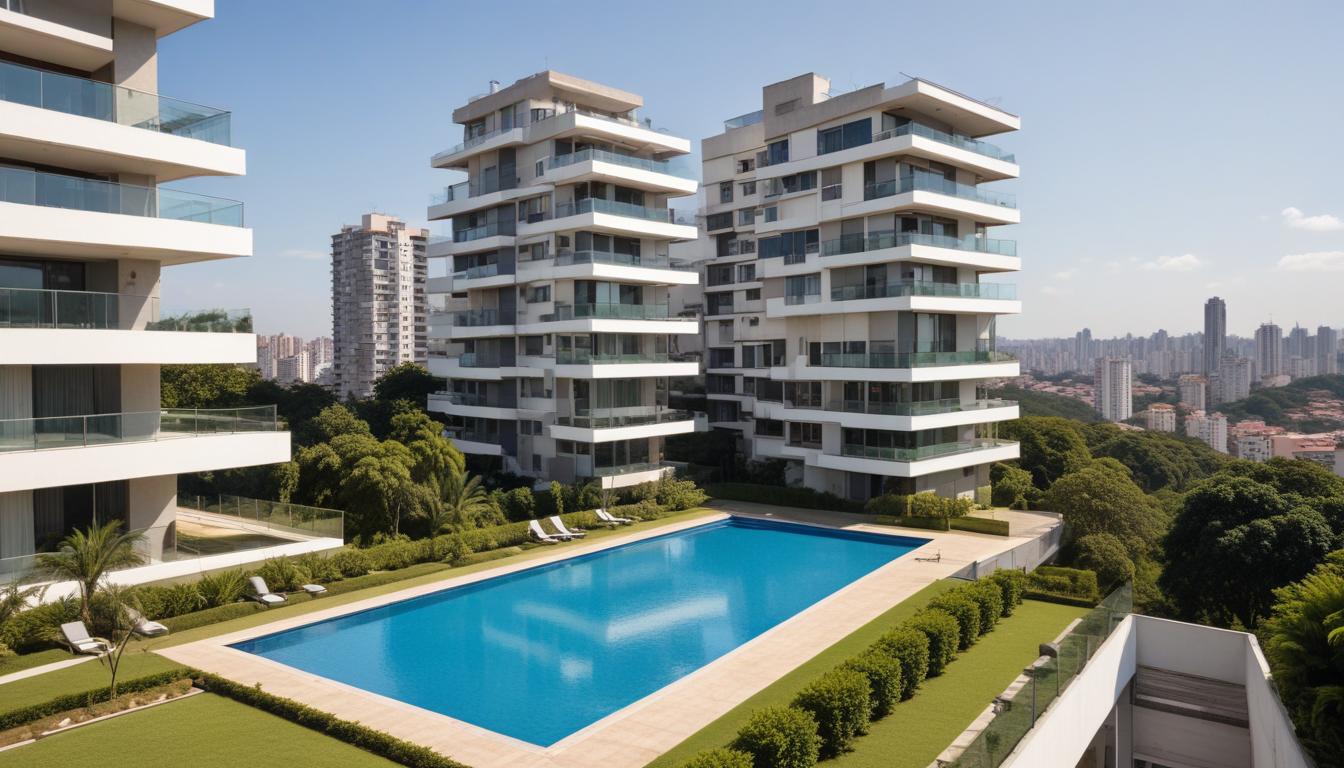
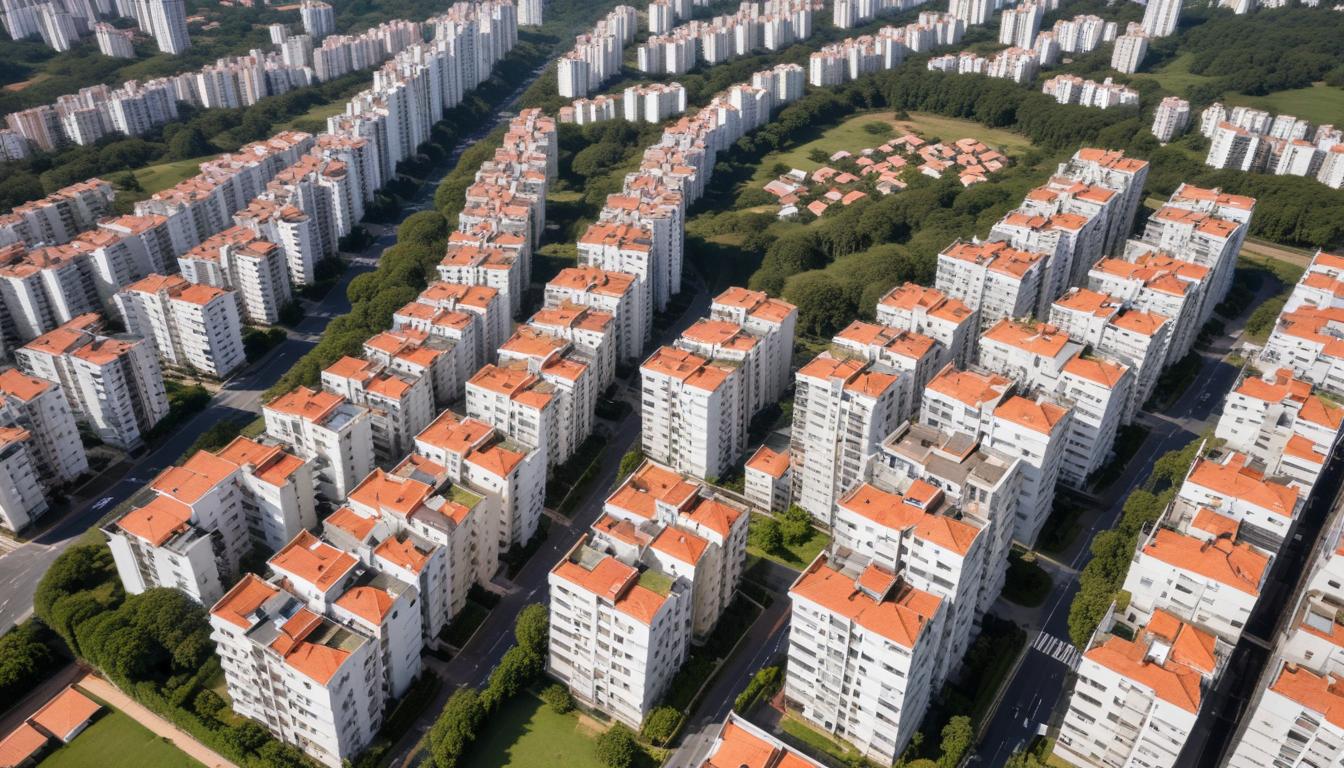
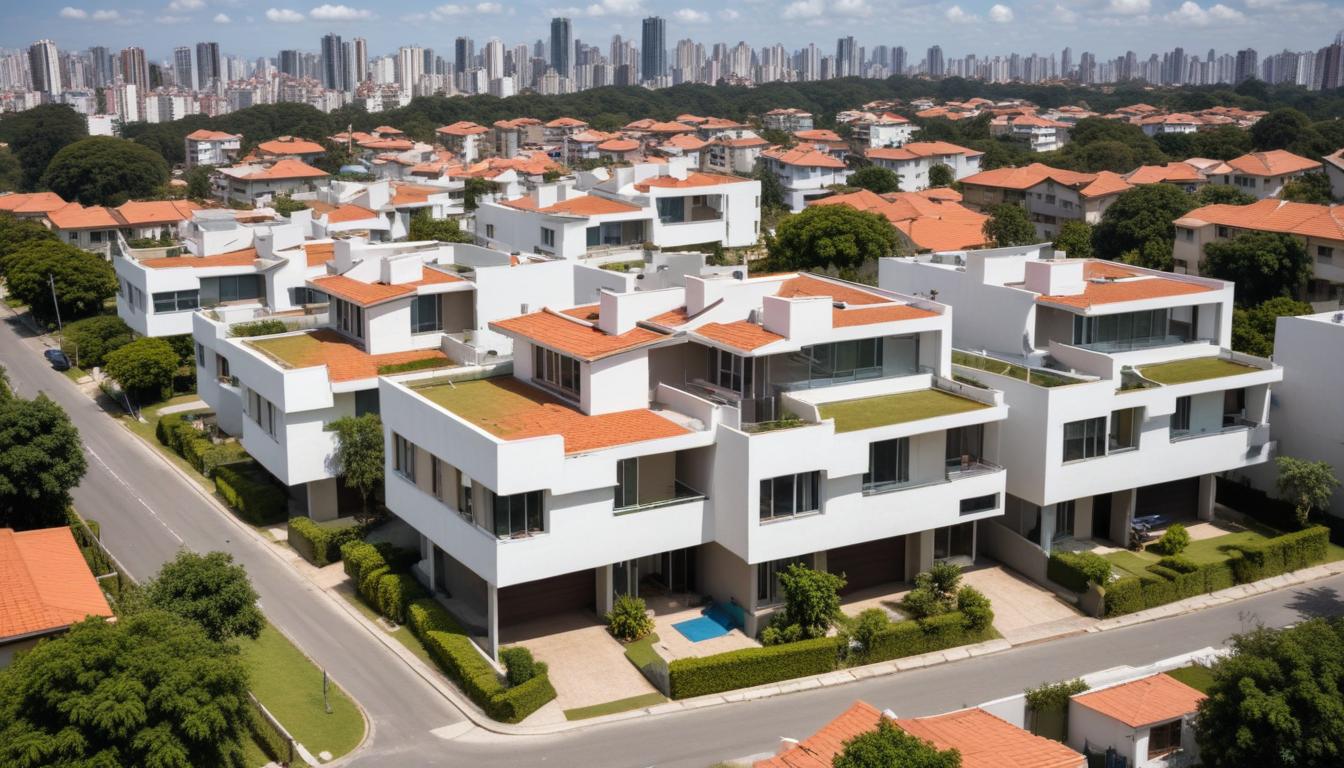
While São Paulo's rental market continues to face headwinds in established zones like Pinheiros and Jardins—where vacancy rates have climbed above 8 per cent—an unlikely contender is gaining traction among property investors: Vila Leopoldina, the once-overlooked west-zone neighbourhood that has quietly become the city's emerging rental hotspot.
The shift reflects a broader recalibration in tenant behaviour. As property prices in premium neighbourhoods push past BRL 15,000 per square metre, younger professionals and families are seeking value-for-money rental options without sacrificing connectivity. Vila Leopoldina, positioned between Vila Madalena's creative energy and Itaim Bibi's corporate core, has become precisely that sweet spot.
Recent data from the Sindicato da Habitação indicates Vila Leopoldina's residential vacancy rate sits at just 3.2 per cent—well below the city's current 6.5 per cent average. Two-bedroom apartments along Avenida Corifeu de Oliveira and the Rua Fidalga corridor are commanding rental yields of 5.8 to 6.1 per cent annually, outpacing Tatuapé and Mooca by nearly a full percentage point.
The neighbourhood's renaissance traces to infrastructure maturation. The Vila Leopoldina metro station's planned expansion, coupled with improved bus networks along Marginal Pinheiros, has slashed commute times to the financial district and Faria Lima corridor. Meanwhile, gentrification markers—the opening of third-wave coffee roasters, craft breweries, and boutique co-working spaces around Praça Benedito Calixto—signal demographic upgrading that typically precedes rental demand surges.
For tenant-hunters, the calculus is straightforward. A one-bedroom apartment in Vila Leopoldina averages BRL 2,800 monthly, compared to BRL 4,200 in Jardins and BRL 3,600 in Vila Madalena. Property managers report above-average tenant quality and retention rates, with young finance professionals and design-sector workers forming the core demographic.
However, prospective investors should temper expectations. While vacancy compression is genuine, regulatory costs remain sticky. São Paulo's condominium fees, IPTU property taxes, and mandatory building insurance typically consume 35 to 40 per cent of gross rental income—substantially higher than São Paulo's city-wide average. The neighbourhood's gentrification remains fragmented; pockets along the southern reaches near the Pinheiros River retain structural vulnerabilities and lower tenant appeal.
For landlords willing to navigate Vila Leopoldina's administrative complexity, the timing may indeed be opportune. But as with any emerging market, patience and due diligence—not hype—should guide investment decisions.
This article was compiled by AI from the sources linked above and screened before publishing. See our editorial standards.