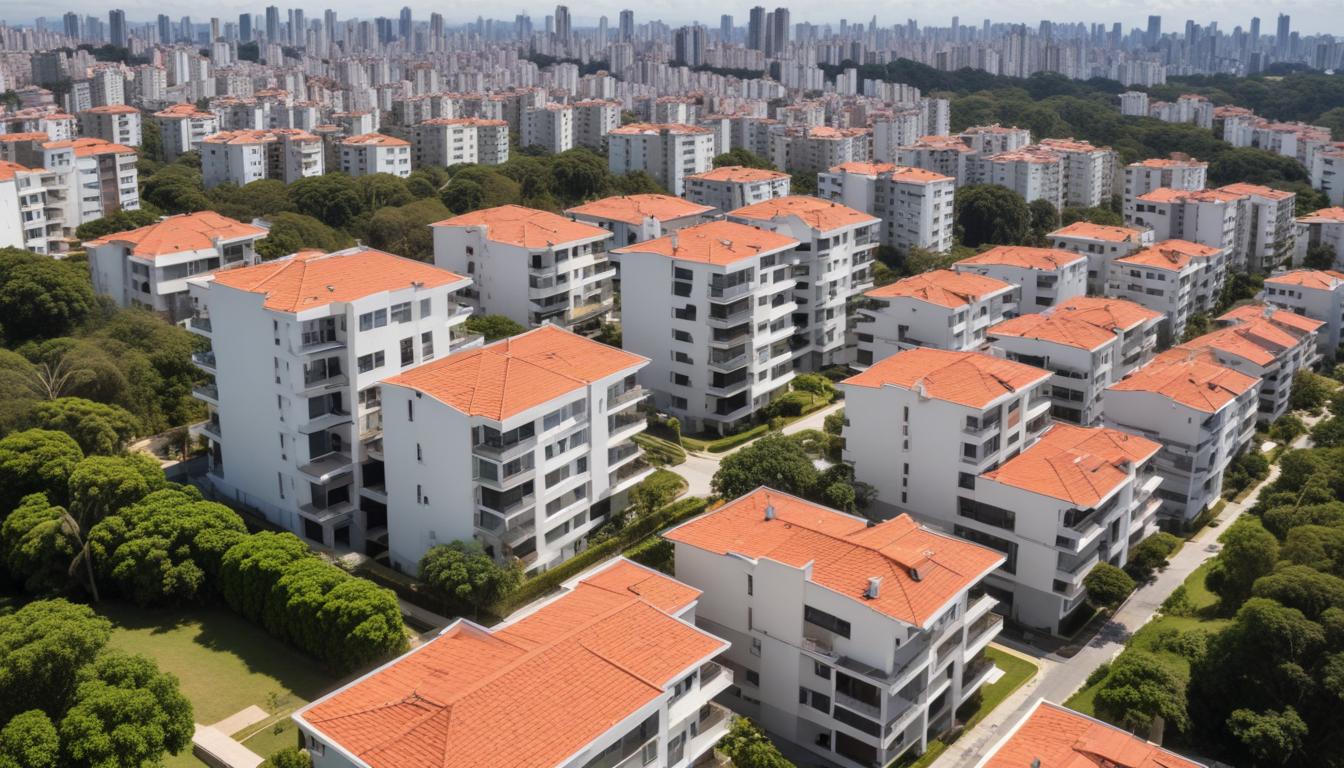
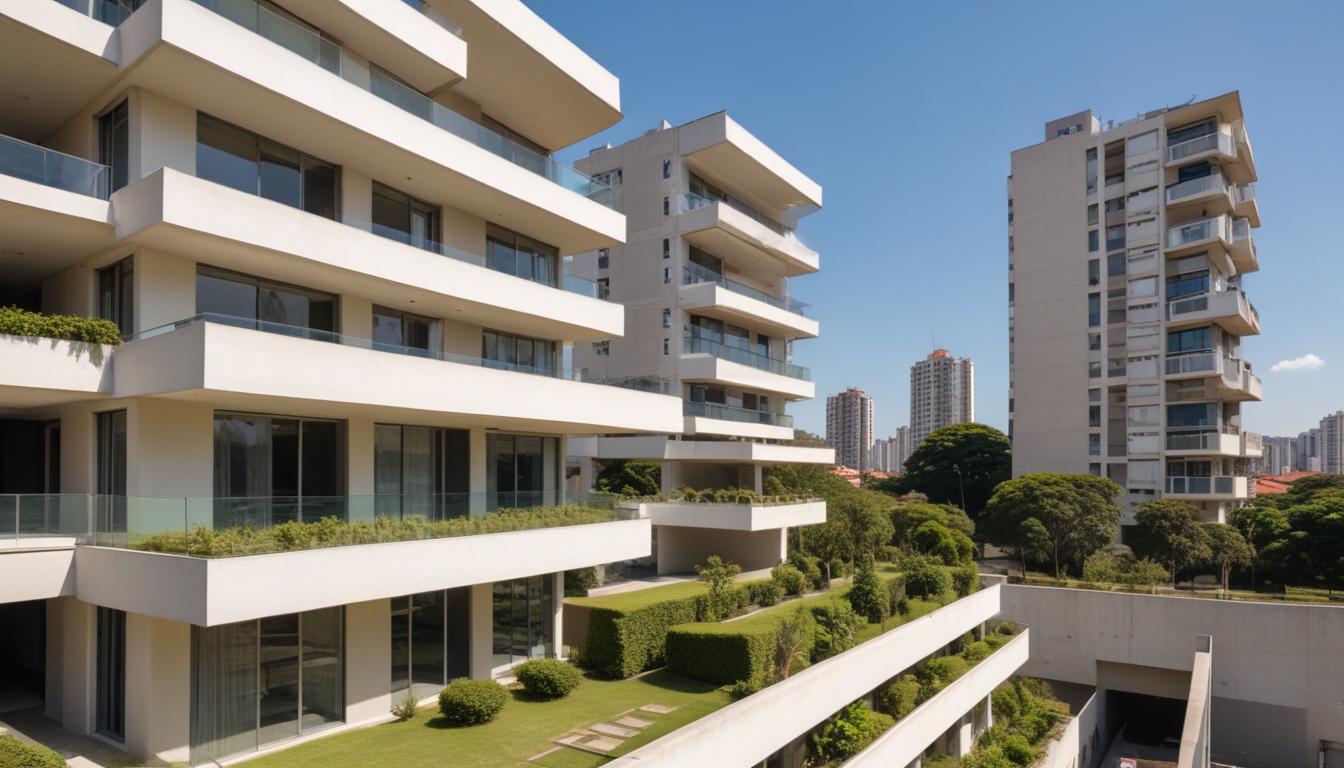
For years, São Paulo's rental conversation centred on Jardins, Pinheiros, and Itaim Bibi—neighbourhoods where monthly rents for a two-bedroom apartment routinely exceed R$6,000 and vacancy rates hover below 5%. But as 2026 unfolds, a quieter shift is reshaping the city's investment landscape. Tatuapé, long positioned as a secondary market, is now commanding serious attention from landlords and tenants alike.
Recent data from local property consultancies suggests Tatuapé's vacancy rate has compressed to just 3.8%—lower than premium zones for the first time in a decade. Average rental yields have climbed to 7.2%, significantly outpacing the 4.1% average in central neighbourhoods. A two-bedroom apartment in Tatuapé's core, near Avenida Radial Leste or the emerging retail corridor around Rua Jamil Abib, now commands between R$3,200 and R$4,500 monthly—a 22% increase year-on-year.
What's driving this surge? Infrastructure investment is crucial. The redevelopment of Tatuapé's commercial zones, coupled with improved Metro Line 3 connectivity and the ongoing regeneration of nearby waterfront areas, has transformed the neighbourhood from a dormitory suburb into a genuine mixed-use destination. Young professionals relocating from saturated central areas, coupled with families seeking space without the premium tax of Mooca or Anália Franco, have created sustained demand.
Unlike Vila Madalena's cyclical trendy reputation, Tatuapé's appeal runs deeper. The neighbourhood offers genuine value: a spacious three-bedroom apartment rents for roughly R$5,000—equivalent to a cramped one-bedroom in Pinheiros. Local amenities including the Tatuapé Shopping complex, proximity to Parque do Carmo, and an expanding food-and-beverage scene centred on Rua Conselheiro Carrão have broadened its appeal beyond cost-conscious tenants.
For investors, the maths is compelling. A property purchased at Tatuapé's current average of R$9,500 per square metre—versus Jardins' R$18,000—generates rental yields that often exceed mortgage costs within seven years. Several new residential developments have launched in the past eighteen months, yet inventory remains tight relative to demand.
However, perspective matters. Tatuapé remains less prestigious than established premium zones, and gentrification carries risks. Tenants seeking the brand value of Itaim Bibi or the cultural cachet of Vila Madalena won't migrate eastside regardless of economics. Yet for investors seeking sustainable returns and tenants seeking reasonable space and reasonable rent, Tatuapé's moment appears genuine—and decidedly underpriced.
This article was compiled by AI from the sources linked above and screened before publishing. See our editorial standards.