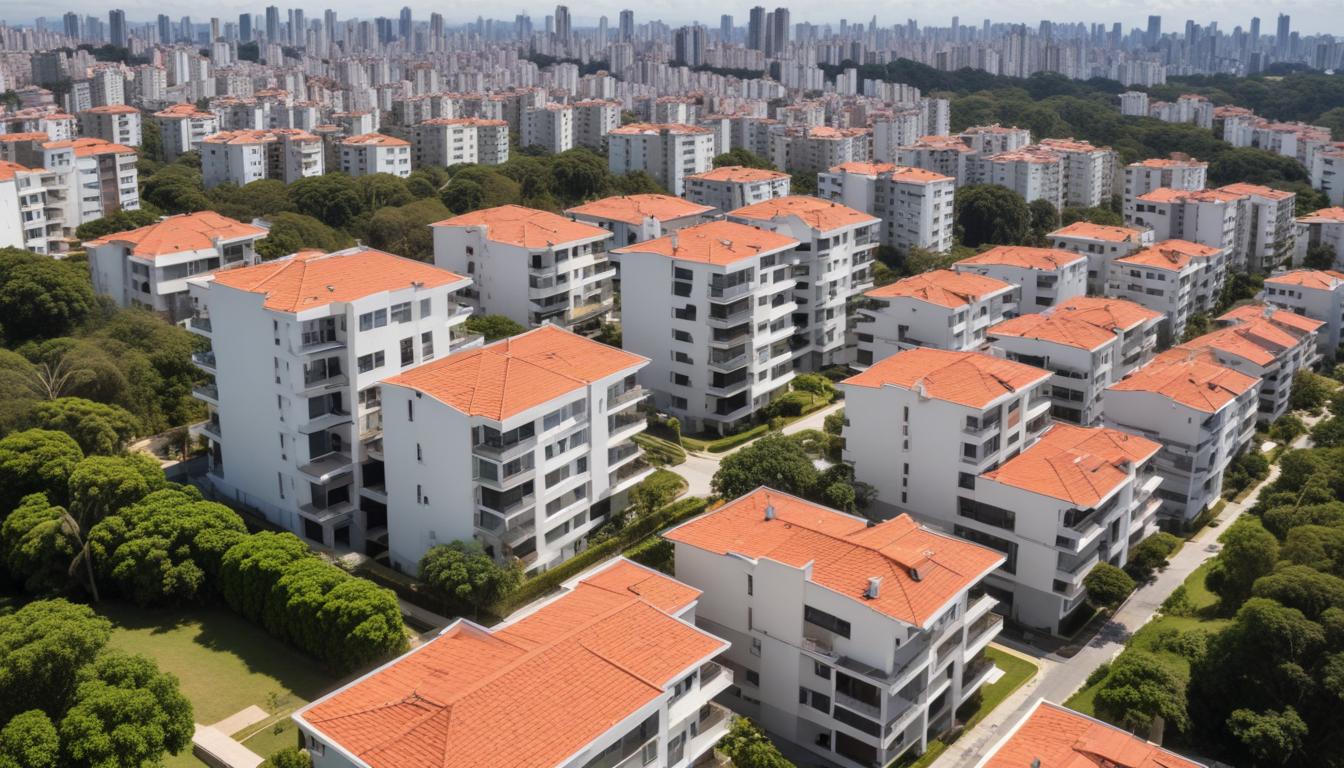
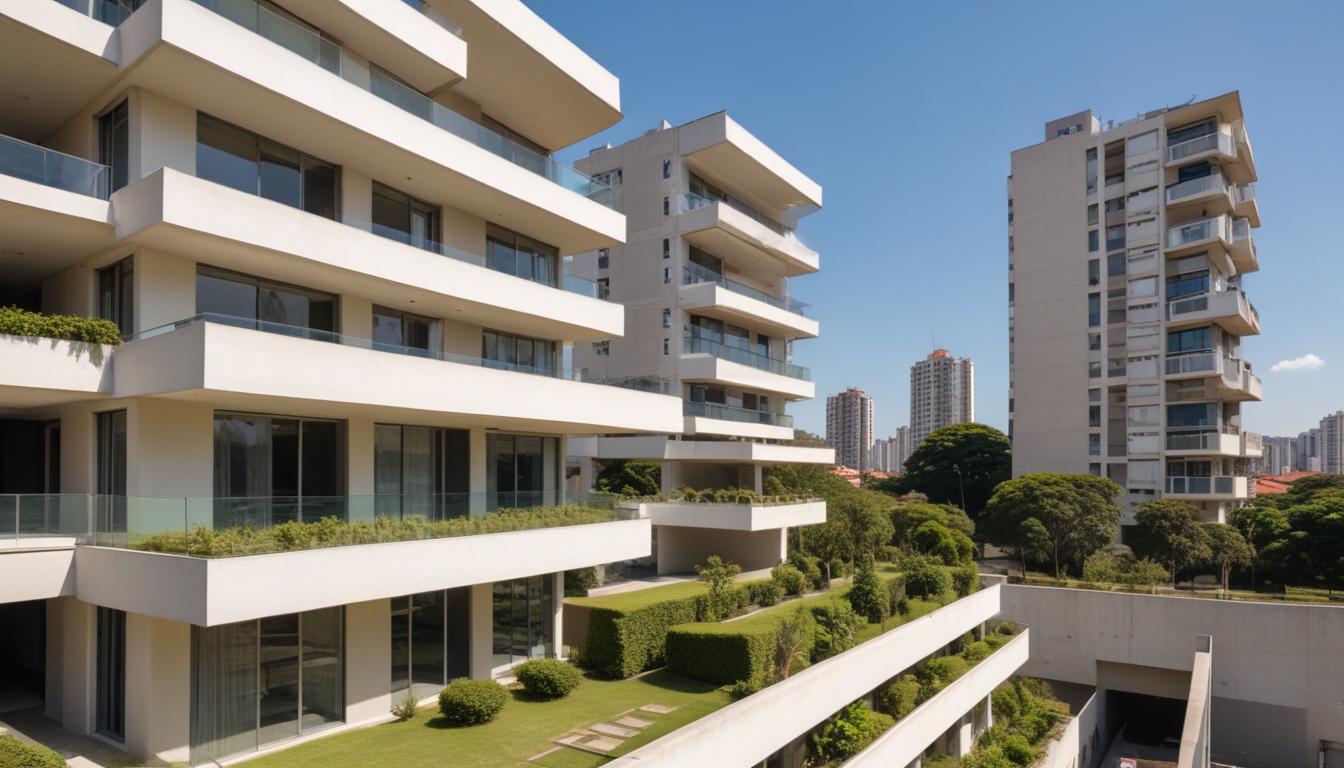
São Paulo's rental market is entering uncharted territory. With construction permits surging 34% year-on-year and new residential towers rising across traditionally high-yield neighbourhoods, the delicate equilibrium between landlord expectations and tenant affordability is tilting dramatically.
The shift is most visible in Vila Madalena and Tatuapé, where developers have completed or begun work on over 8,000 new apartments in the past eighteen months. Previously, rental yields in these zones consistently matched or exceeded 6%, making them magnets for investor-landlords. Today, landlords are slashing asking prices by 8-12% to fill vacant units. A two-bedroom apartment that commanded BRL 4,500 monthly in Tatuapé last year now hovers around BRL 3,900—a painful adjustment for owners banking on steady income.
Yet renters aren't celebrating uniformly. The new supply is predominantly high-specification: modern kitchens, gyms, coworking spaces, and premium finishes. For tenants seeking affordable rentals below BRL 3,000 monthly—a shrinking category—choice remains limited. Many are being pushed further from employment hubs, toward outer zones like Itaquera or Sapopemba, where commute times exceed ninety minutes.
The Pinheiros corridor presents a different puzzle. Here, luxury developments are absorbing international tenants and executives, while displacing long-term residents unable to compete with new supply targeting higher rents. Near Avenida Brasil and the emerging tech precinct around Rua Bandeira, monthly rents for one-bedroom apartments now start at BRL 5,200—a 22% increase from 2024 levels—despite broader market softening elsewhere.
Real estate agents report a structural shift in negotiating power. Landlords once dictating six-month lease minimums and three months' deposit now accept shorter terms and reduced upfront costs. Property management firms like those serving Itaim Bibi's luxury sector acknowledge that vacancy periods have extended from an average of three weeks to four to five weeks, forcing strategic concessions on maintenance and amenities.
The São Paulo Chamber of Real Estate Professionals estimates this correction will persist through 2027 as an additional 12,000 units pipeline toward completion. The rental market's tightening margins suggest a recalibration: smaller investors may exit the rental game entirely, consolidating holdings among larger institutional players capable of absorbing lower yields. Meanwhile, tenants face a paradox—more choice, but less affordability where they actually want to live.
This article was compiled by AI from the sources linked above and screened before publishing. See our editorial standards.