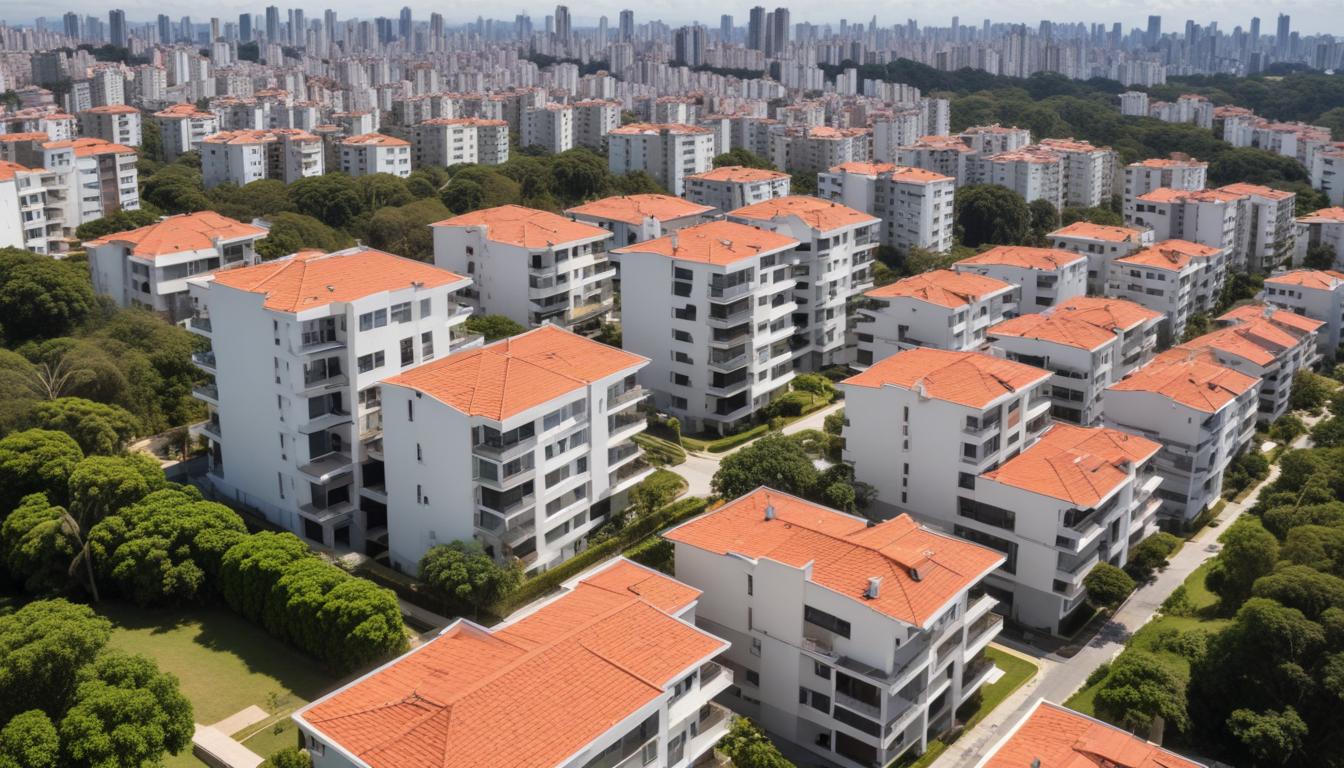
São Paulo's eastward expansion has long been viewed as the city's demographic inevitability, but affordability has never kept pace with demand. Now, a cluster of new social housing projects in Tatuapé and Mooca threatens to reshape neighbourhoods that have watched property values climb from around BRL 8,000 per square metre five years ago to over BRL 11,000 today.
The São Paulo State Housing Company (CDHU) recently green-lit construction on two mid-rise residential complexes near Avenida Radial Leste: one 240-unit development targeting households earning between two and four minimum wages, another with 180 units for families below two minimum wages. Both projects, scheduled for completion by 2029, sit within walking distance of the Tatuapé Metro station—a critical factor in the city's housing equation.
Concurrently, a private developer partnership has submitted plans for a mixed-income complex in Mooca, near Rua Vergueiro. The proposal includes 156 social housing units alongside 94 market-rate apartments, a model increasingly favored by municipal administrators seeking to avoid economic segregation while securing developer participation.
For residents already established in these neighbourhoods, the sentiment remains divided. Property owners see potential upside: proximity to improving public transport and retail infrastructure generally supports long-term appreciation. Yet concerns about density, parking, and service capacity have sparked debate at local associations along Rua Carnot and near the Tatuapé Shopping mall.
The timing reflects broader city policy. São Paulo's housing deficit remains estimated at over 385,000 units, with middle and lower-income families particularly underserved. The Tatuapé-Mooca corridor represents rational planning: it's connected to employment hubs via Metro Line 3, increasingly attractive to younger professionals, and less saturated than Pinheiros or Vila Madalena, where the average property exceeds BRL 14,000 per square metre.
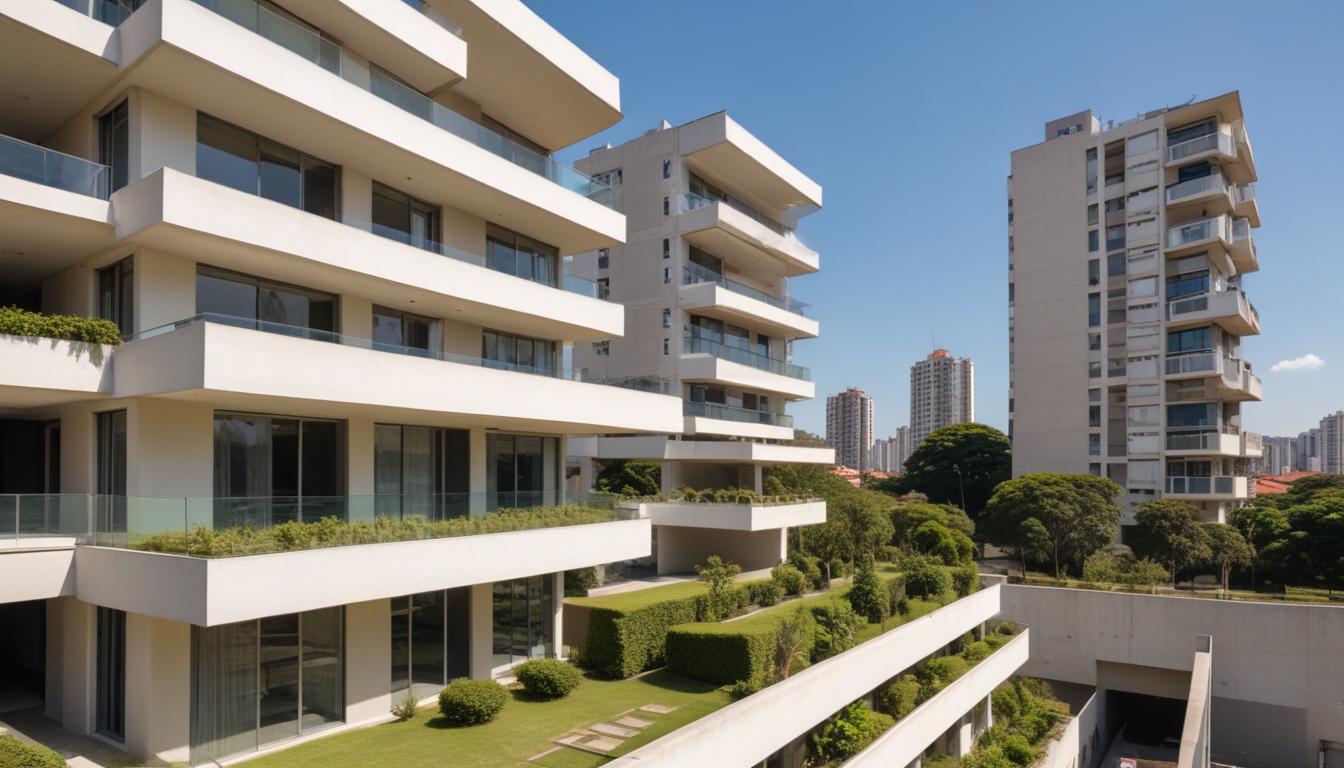
What distinguishes these projects from earlier waves of social housing is integration. Rather than isolated complexes, developers and CDHU are negotiating ground-floor commercial spaces, improved street-level activation, and public realm contributions. The Mooca project includes a community centre and green spaces.
Whether these developments succeed depends partly on execution and partly on broader economic stability. Rising interest rates and tighter credit have cooled the market since late 2025, potentially extending timelines and altering financing models. Still, for families currently priced out of São Paulo's formal housing market, the projects represent tangible opportunity—and evidence that even in a city of stark inequality, new supply remains possible.
This article was compiled by AI from the sources linked above and screened before publishing. See our editorial standards.