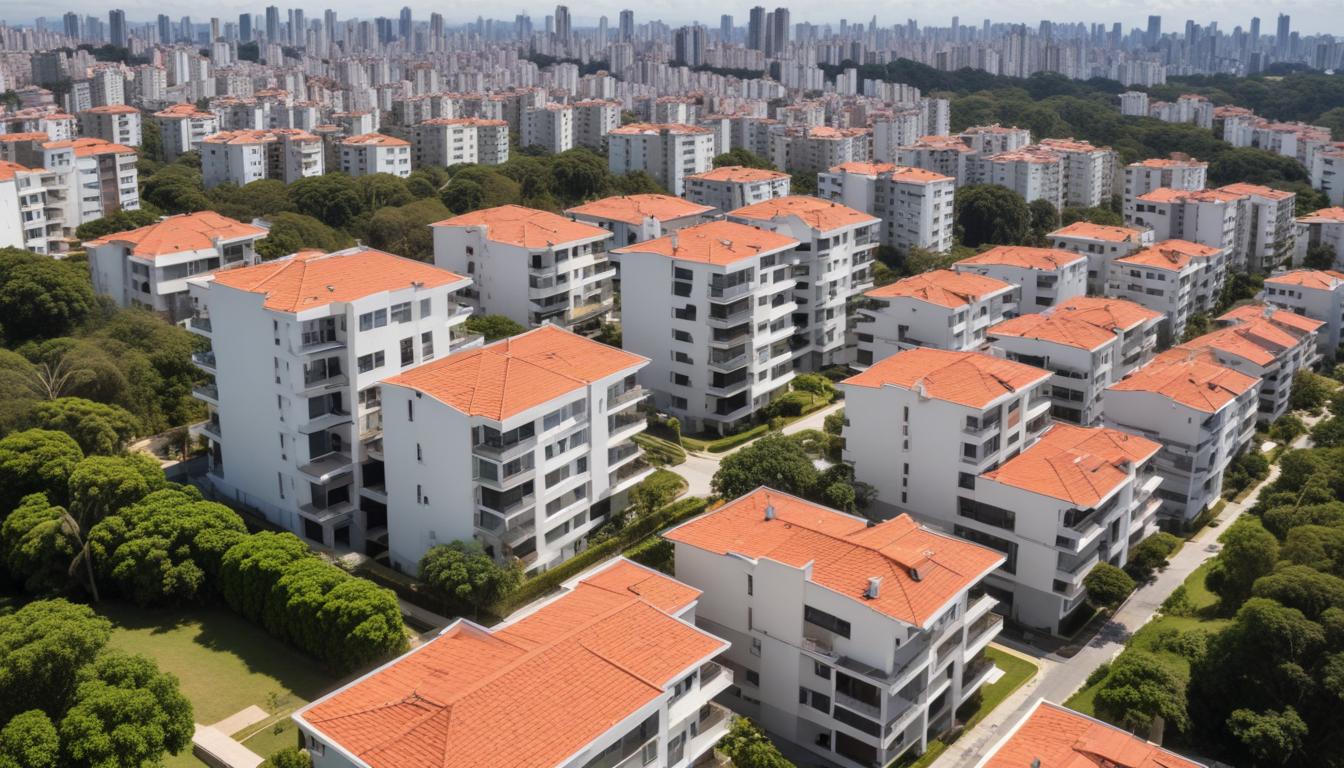
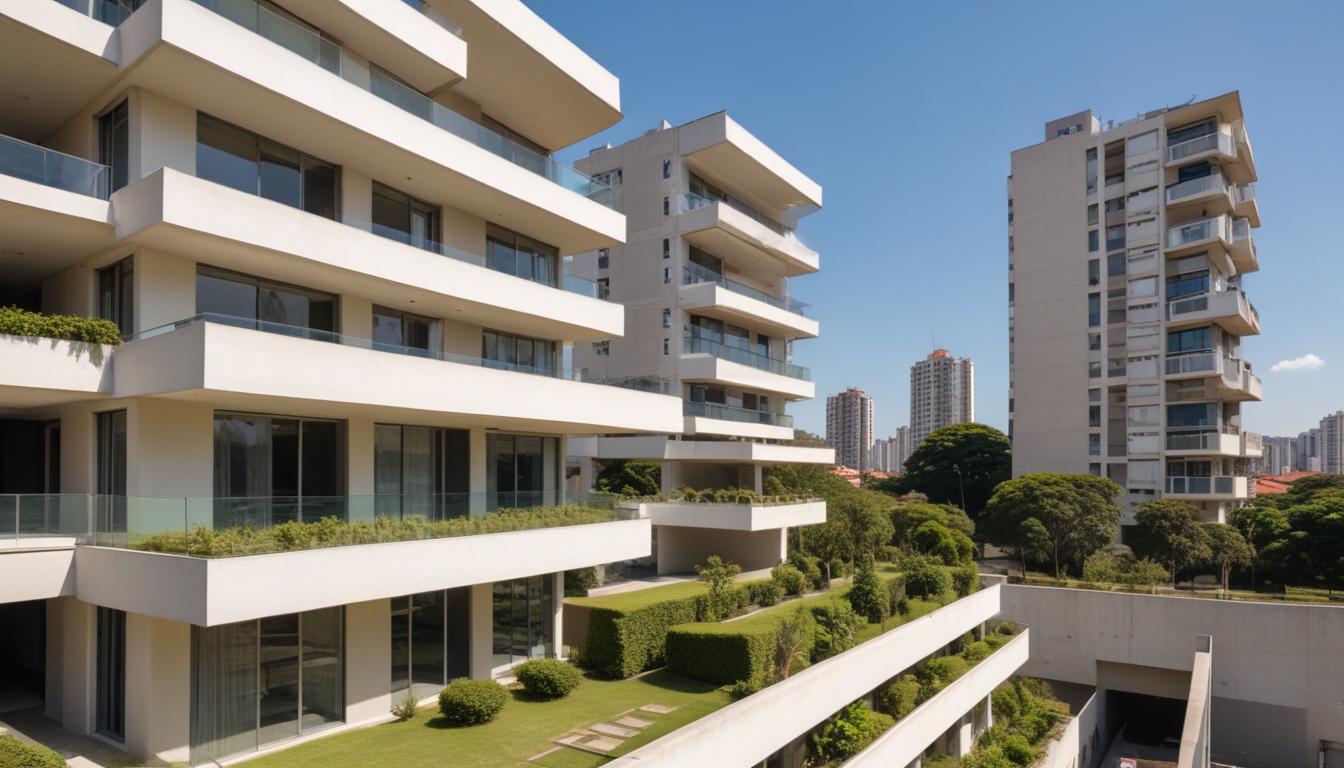
São Paulo's rental market is rewriting its own geography. As auction clearance rates hover near decade lows and property inventories swell across traditional strongholds, the data is pointing landlords and investors toward a new calculus: abandon premium yields in Jardins and Pinheiros, or pivot toward growth suburbs where tenant demand is outpacing supply.
The numbers tell a sobering story for the establishment. Apartments in Jardins and Pinheiros—long São Paulo's gravitational centre for premium rentals—are sitting on market shelves longer than at any point since 2015. Monthly rents averaging BRL 8,500–12,000 per square metre in these neighbourhoods now compete against rising vacancy rates, a dynamic that was unthinkable three years ago. Landlords are responding predictably: selective price cuts and extended lease incentives, particularly along Rua Oscar Freire and around Ibirapuera Park.
Itaim Bibi and Vila Madalena, meanwhile, occupy a curious middle ground. Itaim's luxury segment remains resilient—BRL 11,000–14,000/sqm for premium addresses near Avenida Faria Lima—but the broader market has flattened. Vila Madalena, once a darling of the younger professional class, shows auction data revealing longer time-to-let cycles, suggesting tenant preference may be shifting elsewhere.
The real signal lies in the periphery. Tatuapé and Mooca are posting the strongest fundamentals: rents holding steady between BRL 6,500–8,500/sqm, occupancy rates above 94 per cent, and auction clearances suggesting a 60+ per cent success rate—well above the citywide average. These zones, anchored by transport infrastructure and proximity to employment hubs like the Zona da Engenharia near the Pinheiros River corridor, are attracting families and mid-market professionals fleeing the cost premium of inner-city living.
Data from recent property auctions reinforces this tilt. Portfolios of multi-unit residential properties in Tatuapé and nearby Vila Prudente are clearing at 65–70 per cent rates, while comparable auctions in Pinheiros and Jardins languish at 45 per cent. Institutional investors are noticing. Several large funds have quietly repositioned capital away from status addresses toward yield-focused acquisitions in growth rings, where BRL 7,000/sqm entry points and 6–7 per cent net rental returns are now competitive with fixed-income alternatives.
For renters and small investors, the signal is plain: São Paulo's rental market is democratising. Premium neighbourhoods are no longer synonymous with premium returns. The future of São Paulo renting lies along metro lines and arterial roads—not in the drawing rooms of Jardins.
This article was compiled by AI from the sources linked above and screened before publishing. See our editorial standards.