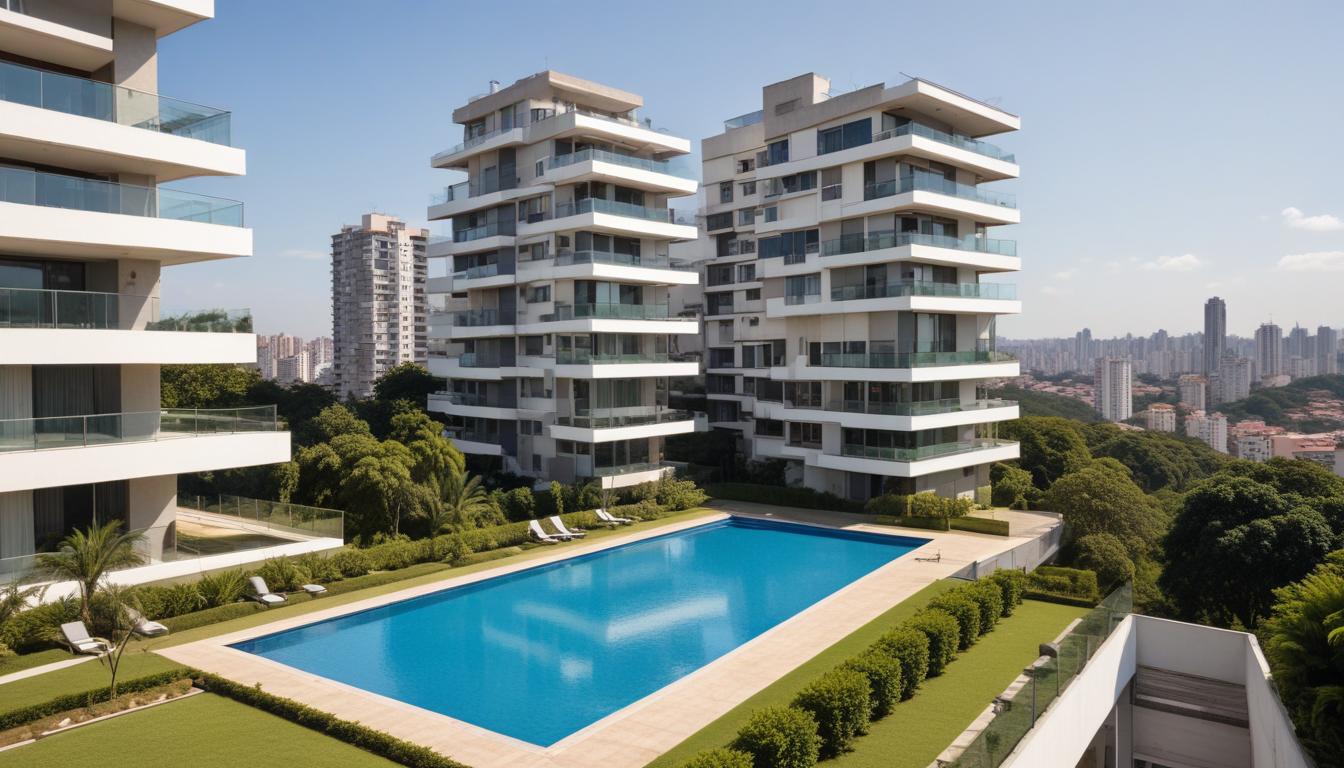
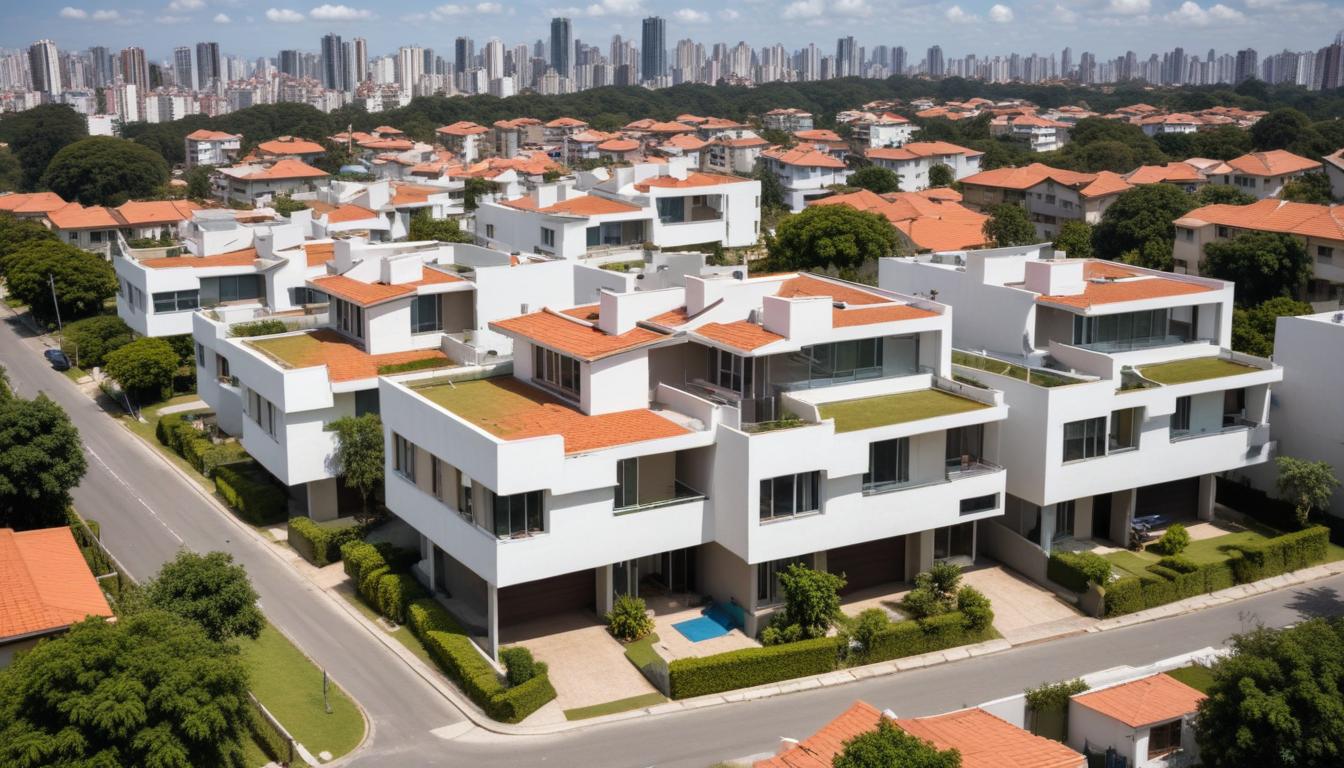
São Paulo's property market is experiencing a visible shift eastward. While traditional strongholds like Jardins and Itaim Bibi remain anchored at premium valuations around BRL 15,000–18,000 per square metre, new mixed-use developments sprouting along Avenida Tatuapé and around the Mooca metro station are rewriting the narrative for the city's outer zones.
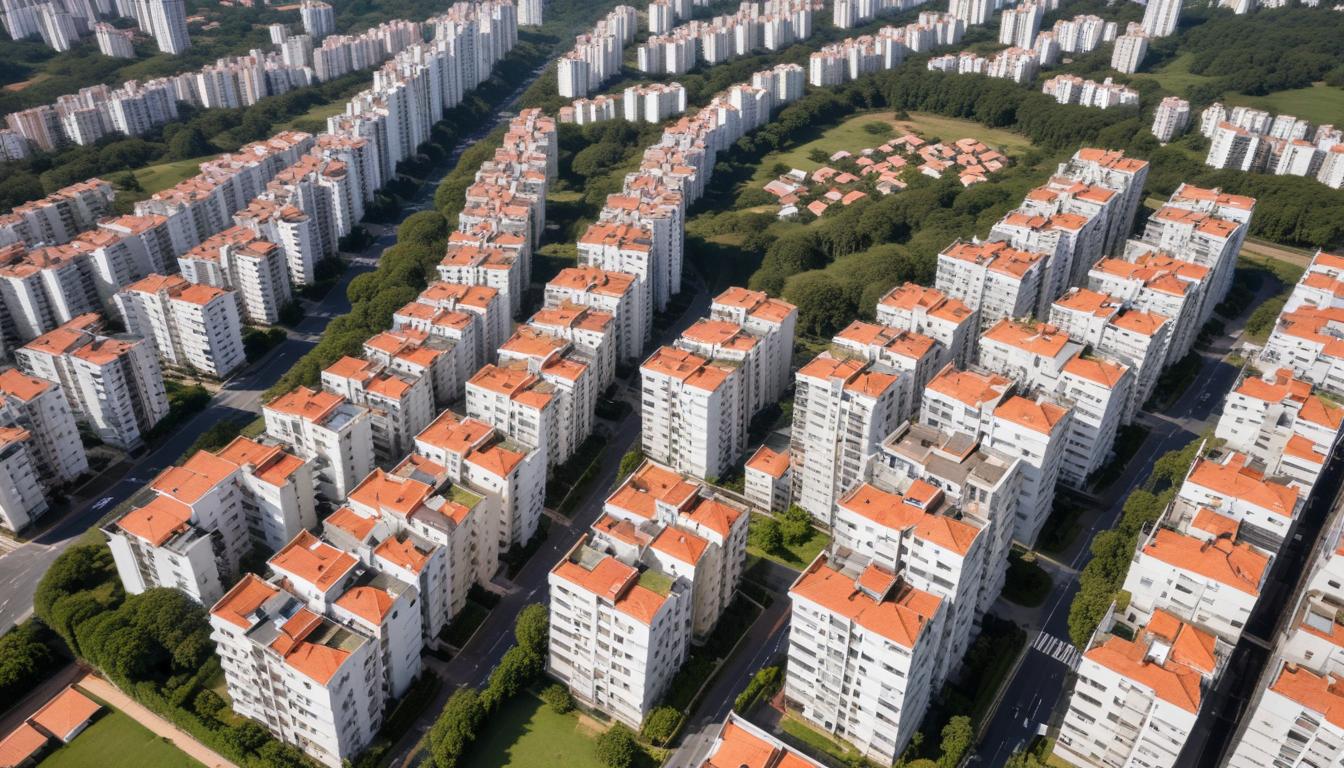
The scale is notable. A cluster of residential towers currently under construction between Rua Vergueiro and Avenida do Estado promises over 2,000 new units within 18 months. Pre-launch pricing sits around BRL 9,500–11,500 per square metre—a striking premium over the local average of BRL 10,000—yet still positioned as a value proposition compared to established inner-west neighbourhoods.
This development wave reflects a deeper market logic: infrastructure investment following the extension of Metro Line 2 into Tatuapé has unlocked previously overlooked territory. Real estate firms have responded aggressively. Projects marketed to young professionals and families prioritise walkability to transit hubs, retail, and services—a replication of the Vila Madalena gentrification playbook, now operationalised at scale in the eastern corridor.
But affordability concerns are mounting. Ten years ago, Mooca offered family apartments at BRL 6,500–7,500 per square metre. Today's new launches anchor prices nearly 50 per cent higher. Long-time residents and small business owners—the bakeries on Rua Caetano Pinto, the family-run shops dotting Avenida Carnot—face creeping displacement as property taxes and rents track development momentum.
Local community groups have begun formalising concerns. Associação de Moradores do Tatuapé has tabled submissions to the city's planning authority, arguing that infrastructure capacity and social services have not kept pace with residential density. Schools near completed phases are already reporting 15 per cent enrolment overages.
The trajectory is familiar but worth interrogating. New developments do generate tax revenue and employment during construction phases. They also establish a price floor that benefits existing landowners—often speculators or institutional investors, rarely long-term residents. Younger buyers priced out of Pinheiros or Vila Madalena now migrate further east, repeating cycles of displacement.
São Paulo's planning authority has begun signalling interest in inclusionary zoning mechanisms for future projects—mandatory affordable units within new builds. Implementation remains uncertain, but the urgency is becoming clearer: without intervention, the city's eastward expansion will simply export, rather than solve, its affordability crisis.
This article was compiled by AI from the sources linked above and screened before publishing. See our editorial standards.