São Paulo's property market is experiencing a fracture along regulatory lines. The city's updated Plano Diretor, which came into force this quarter, has fundamentally altered investment calculus across neighbourhoods—and the affordability fallout is already visible on the ground.
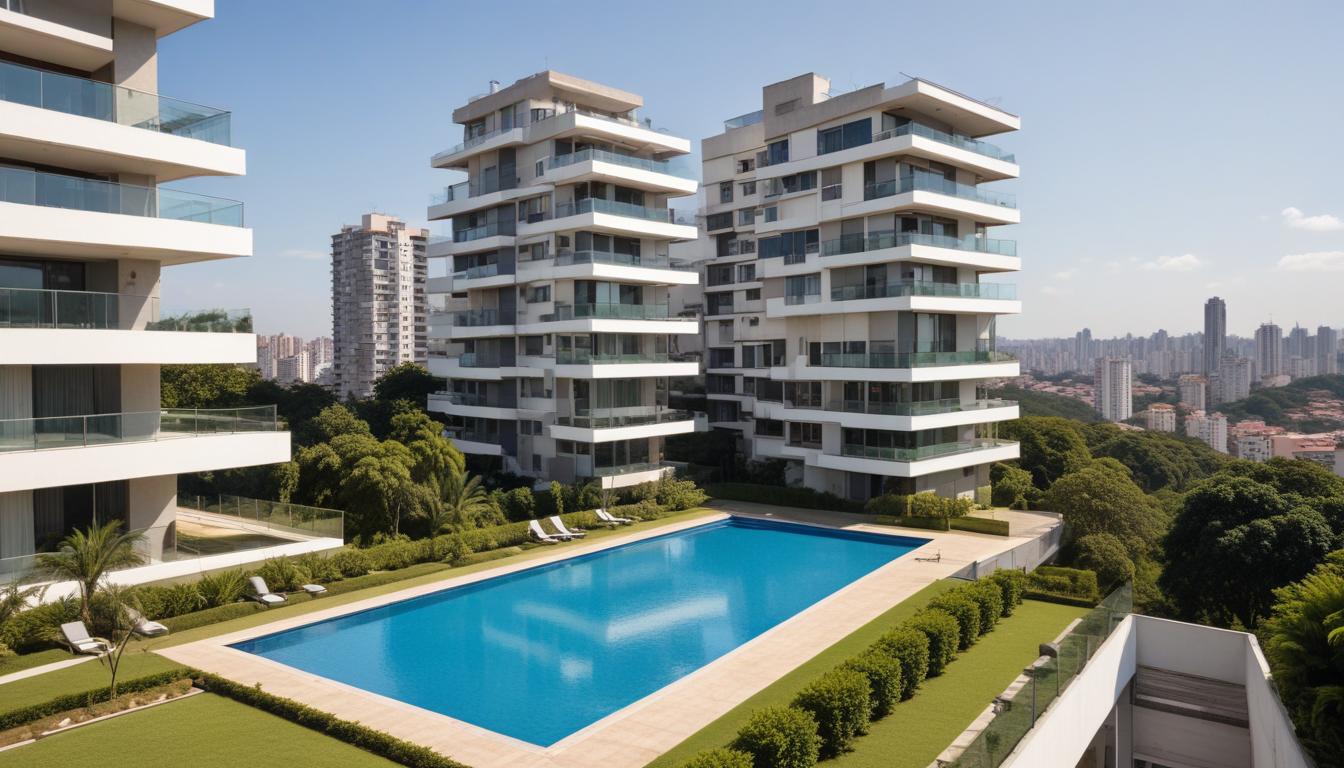
The revision, which increases permitted density in transit-adjacent corridors while tightening restrictions in established residential zones, has created a two-tier market. In Vila Madalena and Pinheiros, where new mixed-use permissions have unlocked redevelopment potential, asking prices have climbed 8-12% since January. Properties along Avenida Paulista—designated a priority urban renewal corridor—are commanding premiums for their development upside, with residential-plus-commercial units entering the market at BRL 14,000-16,000 per square metre, well above the city average of BRL 10,000.
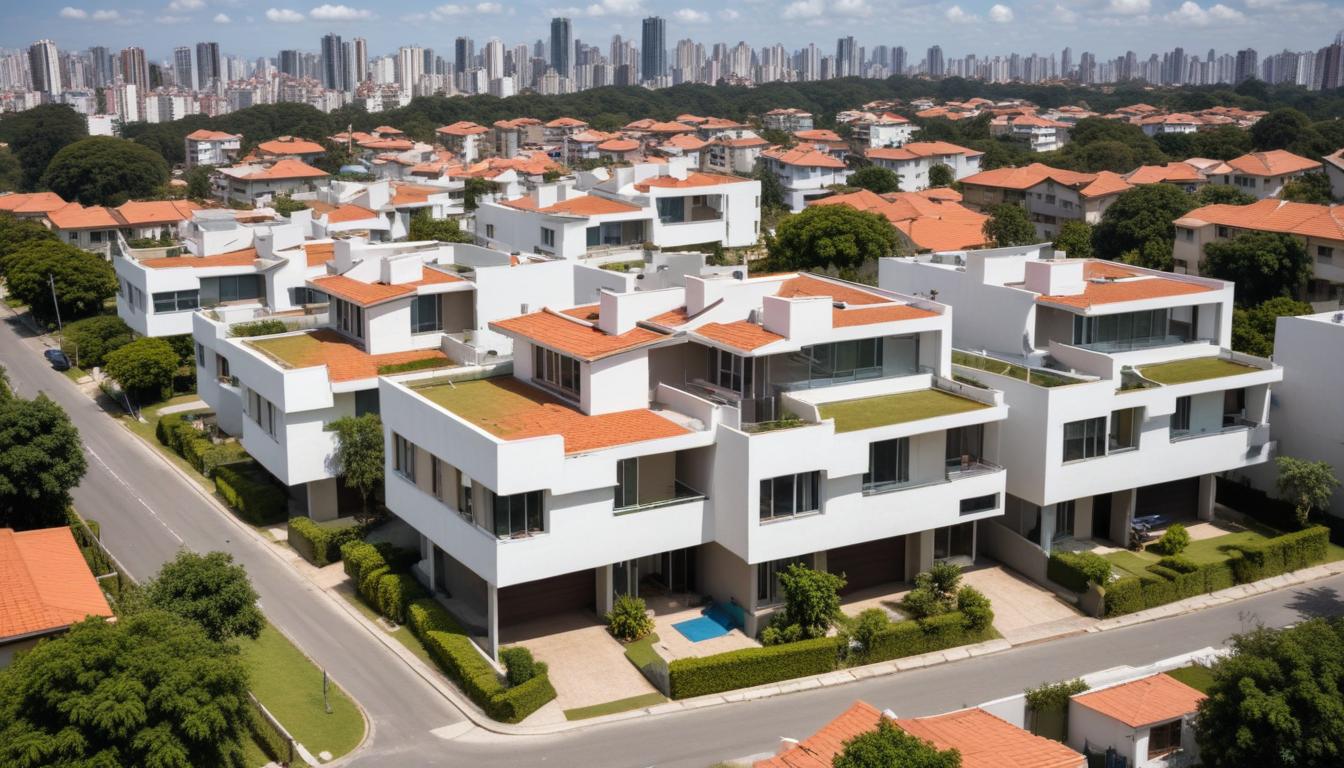
Conversely, neighbourhoods like parts of Tatuapé and the western reaches of Vila Mariana, where zoning remains restrictive, have seen inventory pile up. Developers are holding back, waiting for regulatory clarification. This has paradoxically stabilised prices there, creating pockets of relative affordability—a rare commodity in São Paulo proper.
The policy's affordability mandate—requiring 20% of new residential projects to price below market in designated zones—has proven contentious. Developers argue it compresses margins, slowing approvals. Real estate association SECOVI estimates that compliance costs have added 3-5% to construction timelines, delaying stock release when inventory is already constrained.
The Jardins district, already São Paulo's most exclusive enclave at BRL 18,000-22,000 per square metre, has largely sidestepped these pressures. Its heritage zoning provides predictability, insulating it from regulatory churn. That certainty carries a price: young professionals are increasingly priced out, with entry-level two-bedroom apartments in the neighbourhood now exceeding BRL 1.8 million.
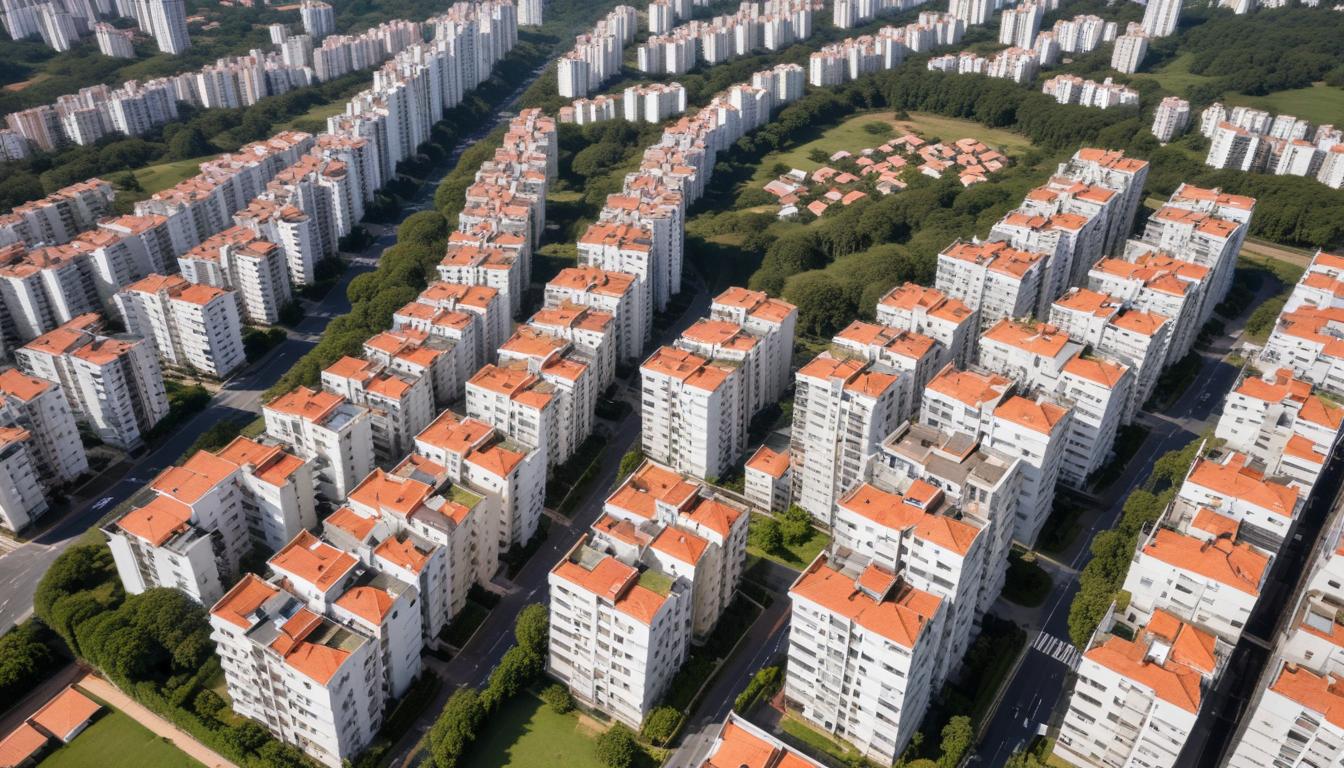
Municipal authorities argue the Plano Diretor is working as intended—channelling growth toward transit hubs around Metrô stations and encouraging vertical density in underutilised areas. Early data from the Tatuapé corridor, where zoning permits up to 18 storeys on select lots, shows renewed project launches.
Yet the unintended consequence is acute: those seeking central-zone affordability face a narrowing window. Properties in compliant high-density zones are appreciating rapidly, while restricted neighbourhoods offer stability at the cost of stagnation. For middle-income buyers, the regulatory landscape has simply made an already difficult calculus even more complex.
This article was compiled by AI from the sources linked above and screened before publishing. See our editorial standards.