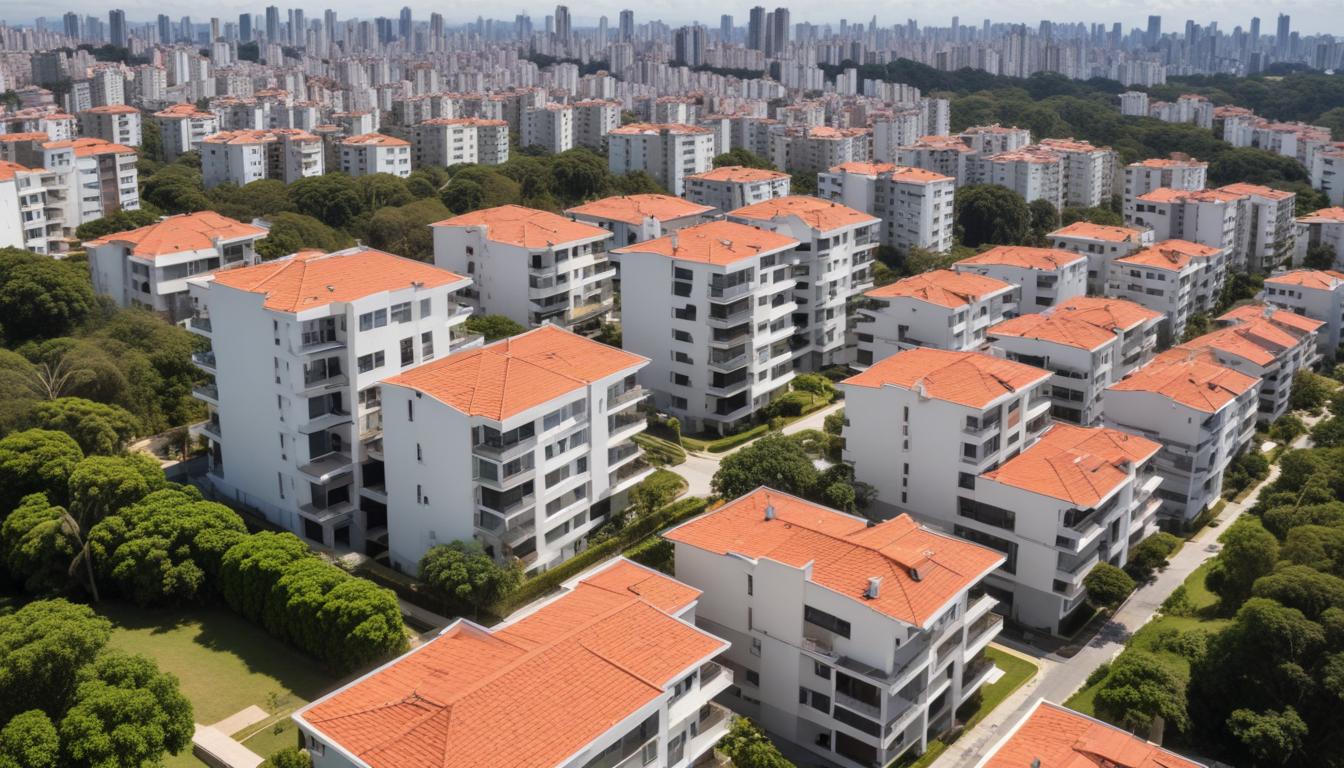
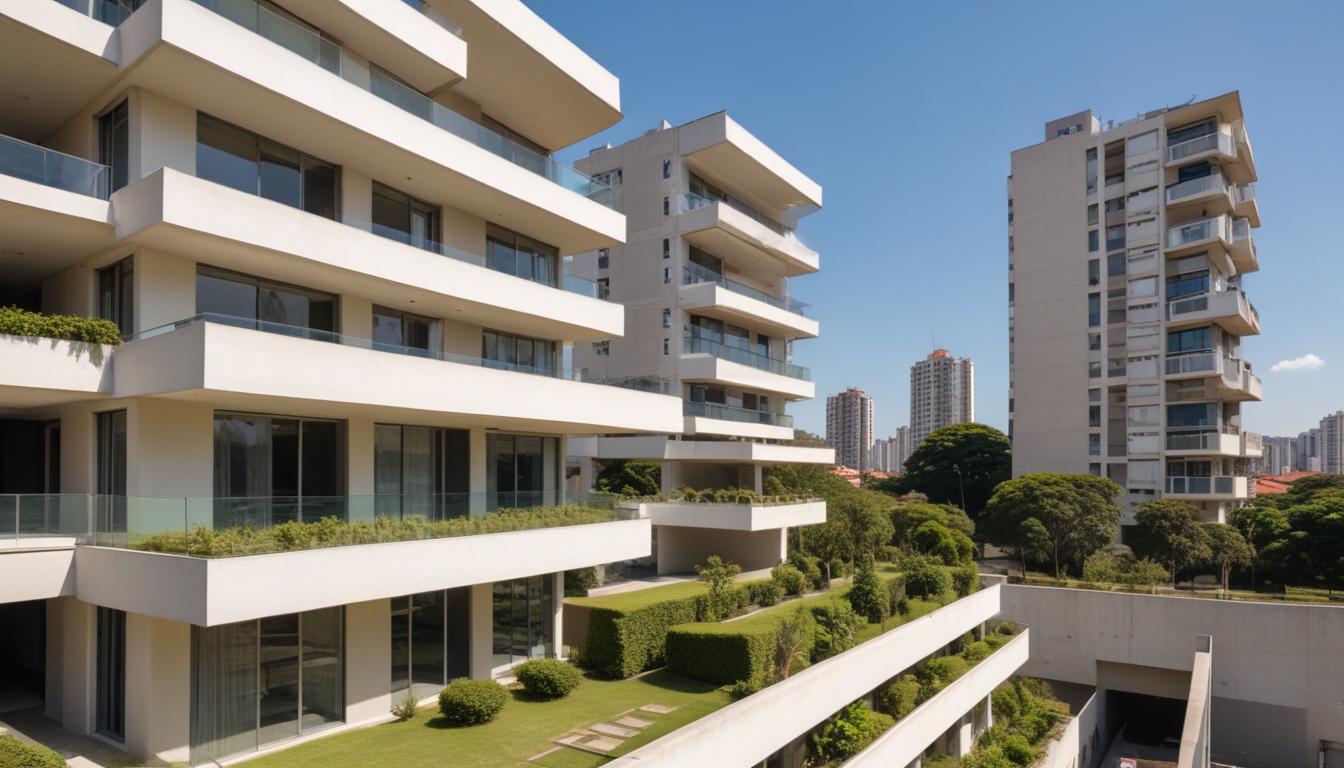
São Paulo's luxury property market has long been a bellwether of investor confidence, but recent data emerging from high-end transactions tells a story that separates rhetoric from reality. While the city's average price per square metre hovers around BRL 10,000, prestige neighbourhoods are delivering returns that challenge conventional wisdom about where serious capital should flow.
Consider the numbers: penthouses in Itaim Bibi, long considered the city's most exclusive address, are trading at BRL 35,000 to BRL 45,000 per square metre. Yet investor yields—the actual rental income divided by purchase price—hover between 3.5 and 4.2 per cent annually. For comparison, growth suburbs like Tatuapé and Mooca, trading at BRL 8,000 to BRL 12,000 per square metre, are generating yields approaching 6 per cent, with stronger capital appreciation potential.
The Jardins district, home to prestigious streets like Rua Dr. Mário Ferraz and Avenida Paulista's adjacent neighbourhoods, has seen asking prices climb 18 per cent over three years, yet rental demand remains tethered to a relatively small pool of high-net-worth expatriates and Brazilian executives. Property managers familiar with the market report that occupancy rates in premium towers near Shopping Iguatemi hover at 85 per cent, with significant vacancy spikes during economic uncertainty.
Vila Madalena presents a different profile entirely. Once dismissed as merely trendy, the neighbourhood has attracted institutional investment from overseas funds targeting cultural cachet alongside financial returns. Prices average BRL 16,000 per square metre, with yields consistently above 5 per cent. The neighbourhood's proximity to Rua Aspinwall's gallery district and weekend foot traffic has stabilised rental demand in ways that pure luxury addresses have struggled to match.
What's driving this divergence? Expert analysis suggests that prestige pricing has become partially disconnected from income-generating fundamentals. Luxury properties in Itaim Bibi and Pinheiros increasingly appeal to owner-occupiers and wealth preservation rather than yield-focused investors. The 2026 market correction, modest though it has been, has hit these segments hardest.
For investors monitoring market cycles, the data offers clarity: trophy addresses retain psychological appeal and slower depreciation during downturns, but growth-oriented portfolios are finding better risk-adjusted returns in established secondary neighbourhoods where rental fundamentals remain robust. The luxury market remains resilient—but it's increasingly a market of choice rather than calculation.
This article was compiled by AI from the sources linked above and screened before publishing. See our editorial standards.