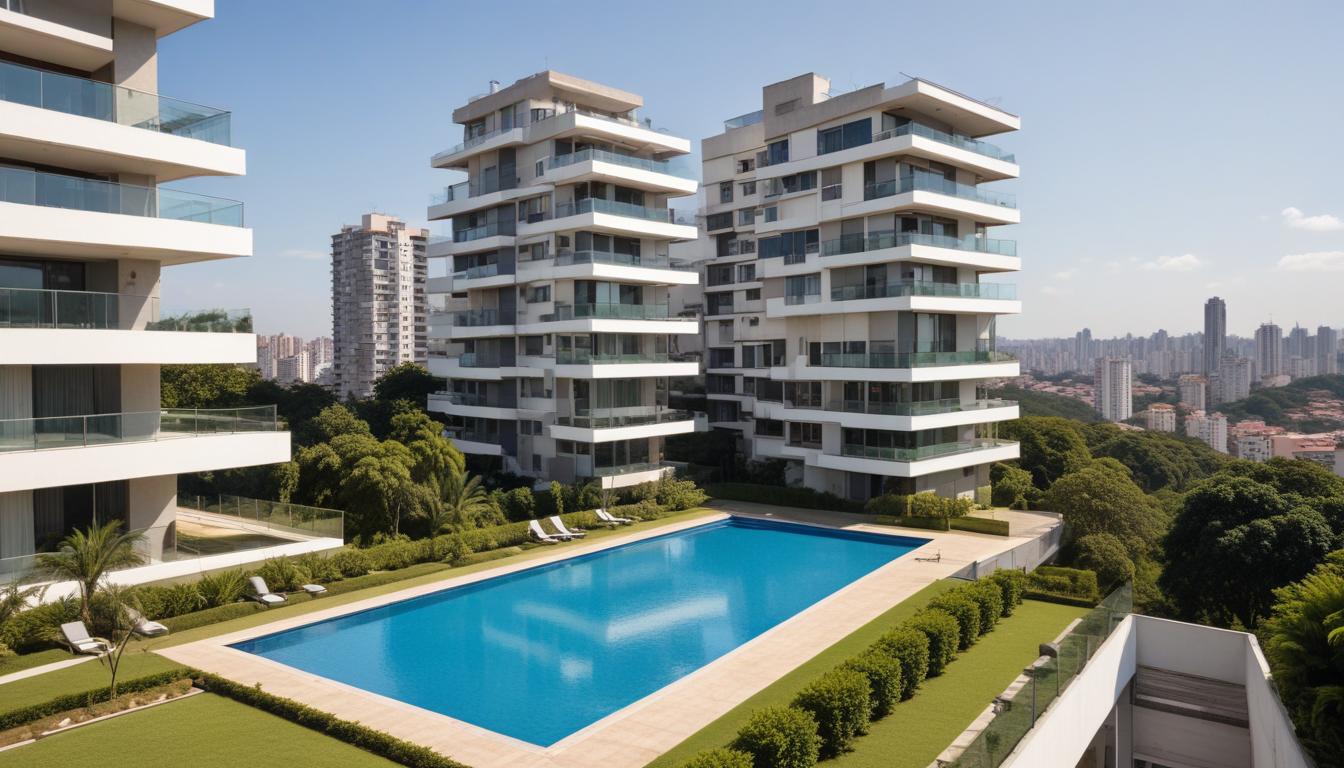
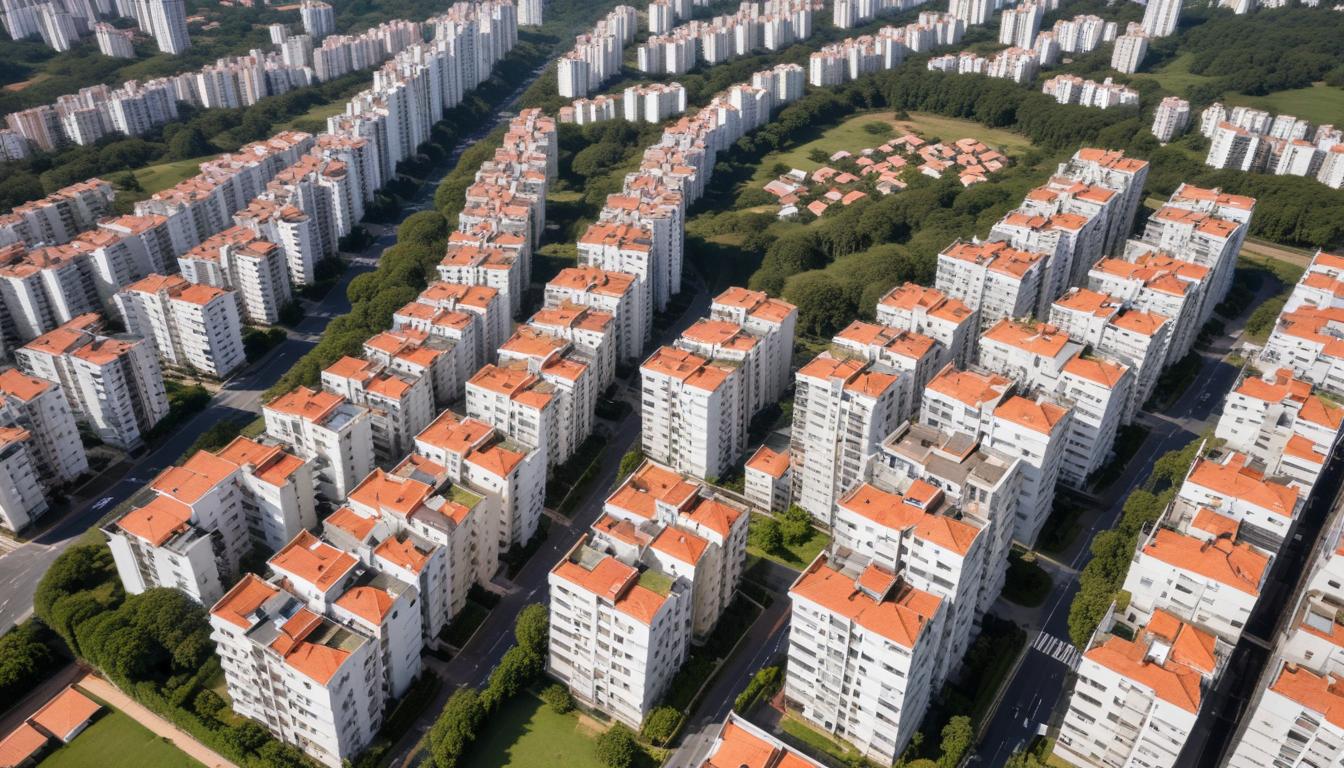
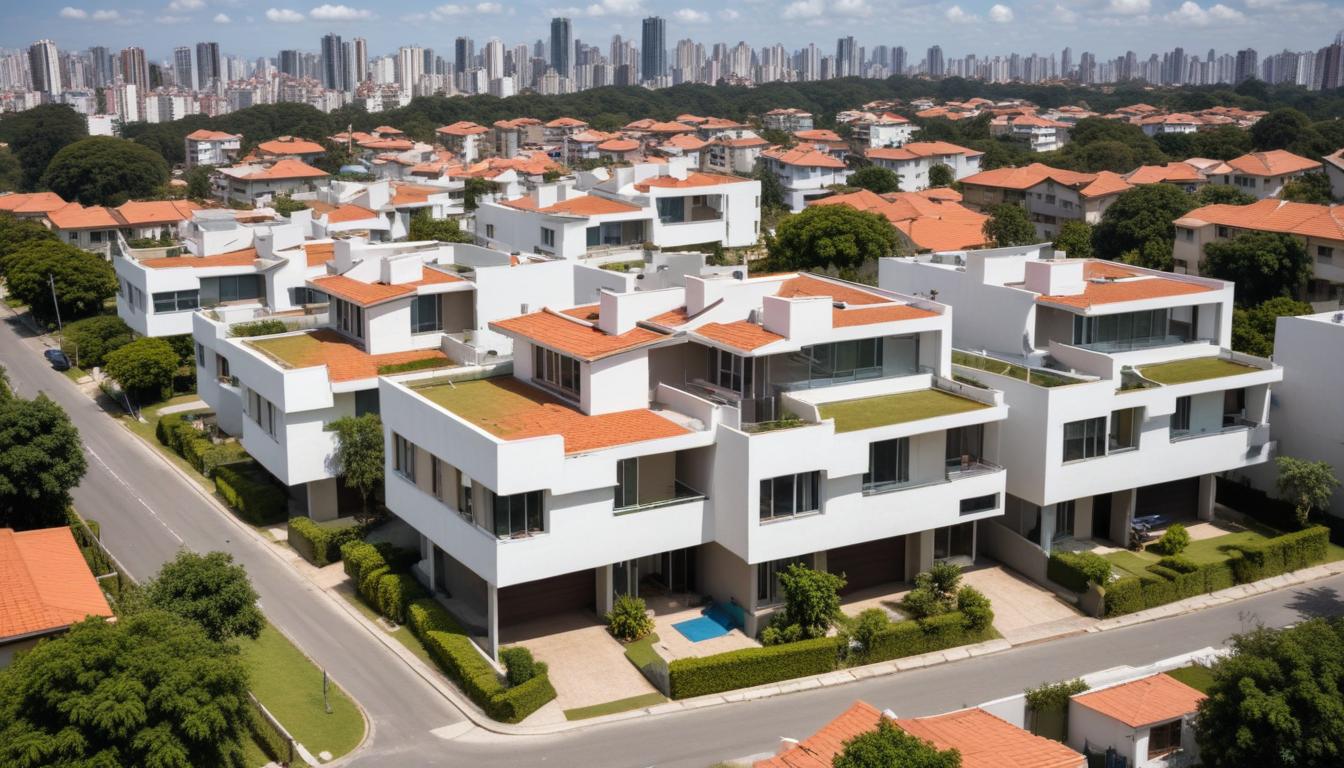
For years, São Paulo's investment property conversation orbited the same affluent addresses: Jardins, Pinheiros, Itaim Bibi. But savvy landlords and portfolio managers are increasingly turning their attention eastward, to Mooca—a neighbourhood that combines old-money charm with the kind of yield metrics that make spreadsheets sing.
The numbers tell the story. While premium zones like Itaim Bibi trade at around BRL 15,000–18,000 per square metre with rental yields hovering near 3–3.5 per cent, Mooca properties average BRL 8,500–11,000 per sqm, with yields regularly exceeding 5 per cent. For an investor deploying capital, the math is compelling: buy a two-bedroom apartment near Rua Alvarenga for BRL 700,000–900,000 and collect monthly rents of BRL 3,500–4,200 from young professionals and families seeking space without Pinheiros price tags.
What's driving the shift? Infrastructure, chiefly. The renovation of Rua Alvarenga—once a sleepy avenue lined with auto-body shops—into a dining and retail destination has been transformative. New restaurants, craft breweries, and independent boutiques now sit alongside heritage buildings, attracting renters who value authenticity and walkability. The Metrô extension work signals further momentum, while the proximity to Tatuapé's commercial hub keeps employment clusters close.
The demographic appeal matters too. Mooca is drawing young families priced out of Pinheiros and Vila Madalena, plus professionals working in the Itaim and Centro clusters. Rental demand remains robust, vacancy rates stay low, and tenant quality has improved markedly in the past three years.
For landlords considering the move, key considerations: target properties within walking distance of Alvarenga's commercial strip or near Metrô stations—these command premium rents and hold value better. Newer apartment buildings in the BRL 6–10 million range, developed in the last decade, typically outperform older stock on maintenance costs and tenant retention. Expect to offer furnished or semi-furnished options; younger renters here demand flexibility.
Comparisons to Tatuapé, which crested its growth wave five years ago, underscore Mooca's timing. While supply in Tatuapé has plateaued and yields softened, Mooca still sits in a sweet spot—early enough for appreciation, established enough for stability.
The eastern suburbs are no longer the contrarian play. They're becoming the rational choice for investors seeking yield without excessive leverage or geographic risk. For those willing to look beyond the predictable addresses, Mooca is offering a masterclass in suburban renaissance.
This article was compiled by AI from the sources linked above and screened before publishing. See our editorial standards.