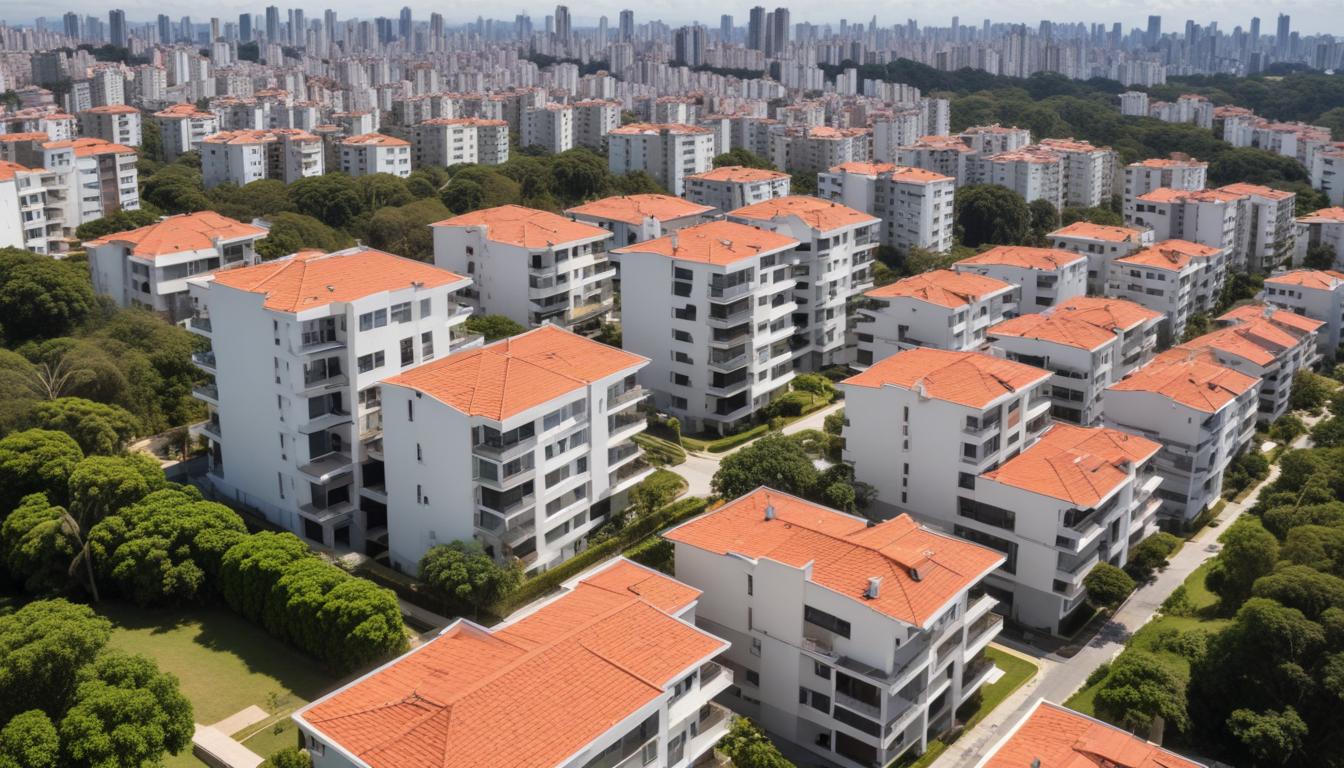
São Paulo's development pipeline isn't just about crane counts and zoning maps anymore. The real story is hiding in the data: where land is selling, at what price, and what those auction results reveal about developer confidence in specific neighbourhoods.
Recent auction activity tells a compelling story about the city's spatial evolution. Properties in the Tatuapé and Mooca corridors—historically overlooked in favour of established premium zones—are commanding prices that suggest developers see genuine upside potential. This isn't speculation; it's calculation. When construction companies bid on land, they're pricing in expected approval timelines, regulatory costs, and final unit values. The aggressive bidding in eastern São Paulo signals that approvals are becoming faster, or at least predictable enough to justify the investment.
The contrast with traditional strongholds like Itaim Bibi and Pinheiros is instructive. While these neighbourhoods continue to record high per-square-metre values—often exceeding the city's 10,000 BRL/sqm average—the growth rate has plateaued. Recent auctions suggest saturation; developers are fighting over scraps of available land at premium prices, knowing that new development approvals face tighter restrictions and longer timelines. The economics no longer favour aggressive development here.
Vila Madalena presents a different puzzle. The neighbourhood's bohemian appeal and established infrastructure have traditionally attracted boutique projects, but recent price movements suggest a recalibration. Smaller parcels are moving at lower multiples than comparable Jardins land, yet new residential approvals continue. This signals that the approval environment favours mixed-use and medium-density projects over luxury towers—a regulatory preference that's now baked into pricing.
The data also reveals how regulation shapes the development map. Auction results from properties near improved public transport corridors, particularly along expanded metro planning zones, show steeper appreciation curves than comparable land elsewhere. Buyers—institutional investors and developers alike—are pricing in the assumption that connectivity improvements will streamline approval processes and boost final values.
For São Paulo's approval machine, these signals matter enormously. When auction data shows rising prices in eastern zones and plateauing values in the west, planners and developers are reading the same message: the city's growth centre is shifting. The next five years of approvals will likely concentrate where the market is already voting with its money.
That's not just property movement. That's the market telling the city where it should build next.
This article was compiled by AI from the sources linked above and screened before publishing. See our editorial standards.