Why São Paulo Investment Yields Are Shrinking—And What Savvy Buyers Must Do Now
As prices climb faster than rents, the city's most coveted neighbourhoods are becoming a landlord's gamble rather than a cash-flow play.
As prices climb faster than rents, the city's most coveted neighbourhoods are becoming a landlord's gamble rather than a cash-flow play.
The São Paulo property market is sending mixed signals. While average prices hover around BRL 10,000 per square metre citywide, premium neighbourhoods are reshaping investor expectations—and not always favourably for those chasing yield.
Consider the trajectory in Jardins and Pinheiros, where recent sales have pushed prices well above BRL 15,000/sqm. Yet rental yields in these established bastions have compressed to the 3–4% range, a sharp decline from the 5–6% investors enjoyed five years ago. The culprit is clear: capital appreciation has outpaced rental growth, pricing in future optimism rather than current cash returns.
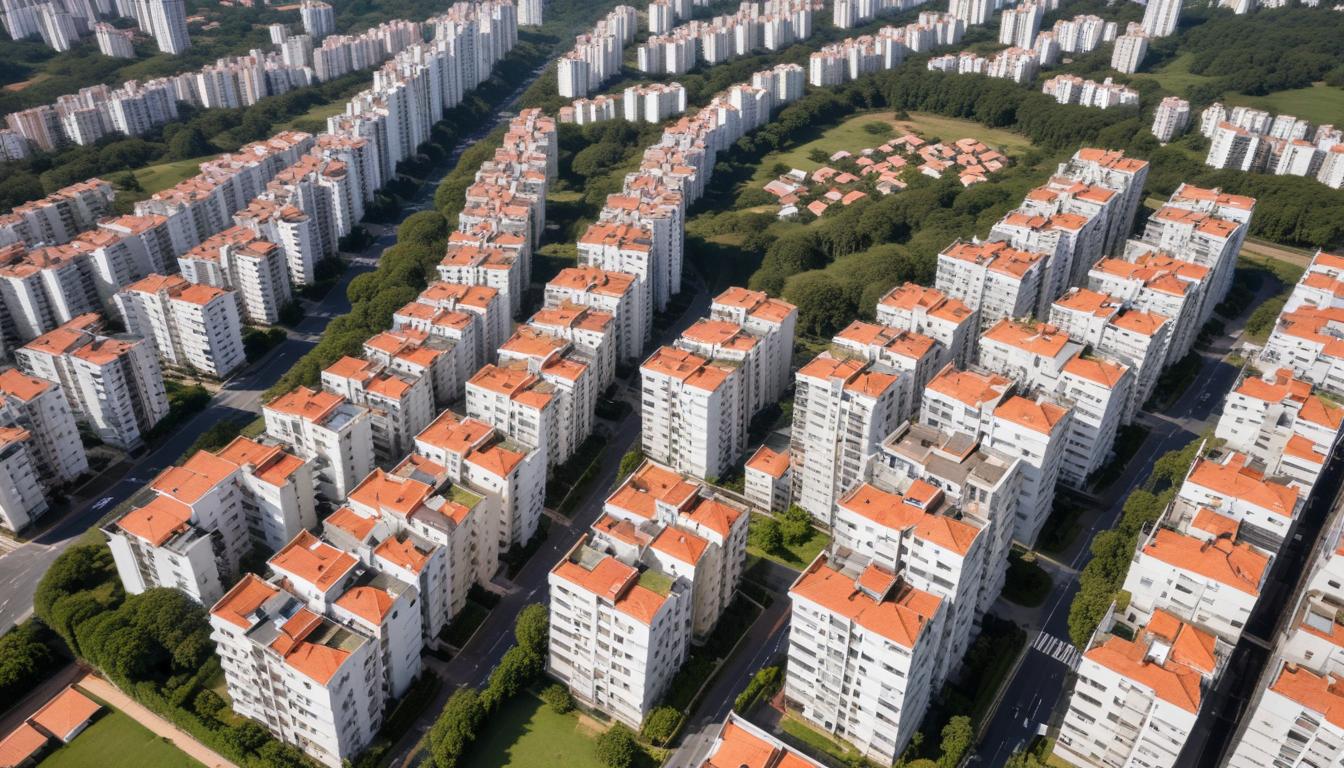
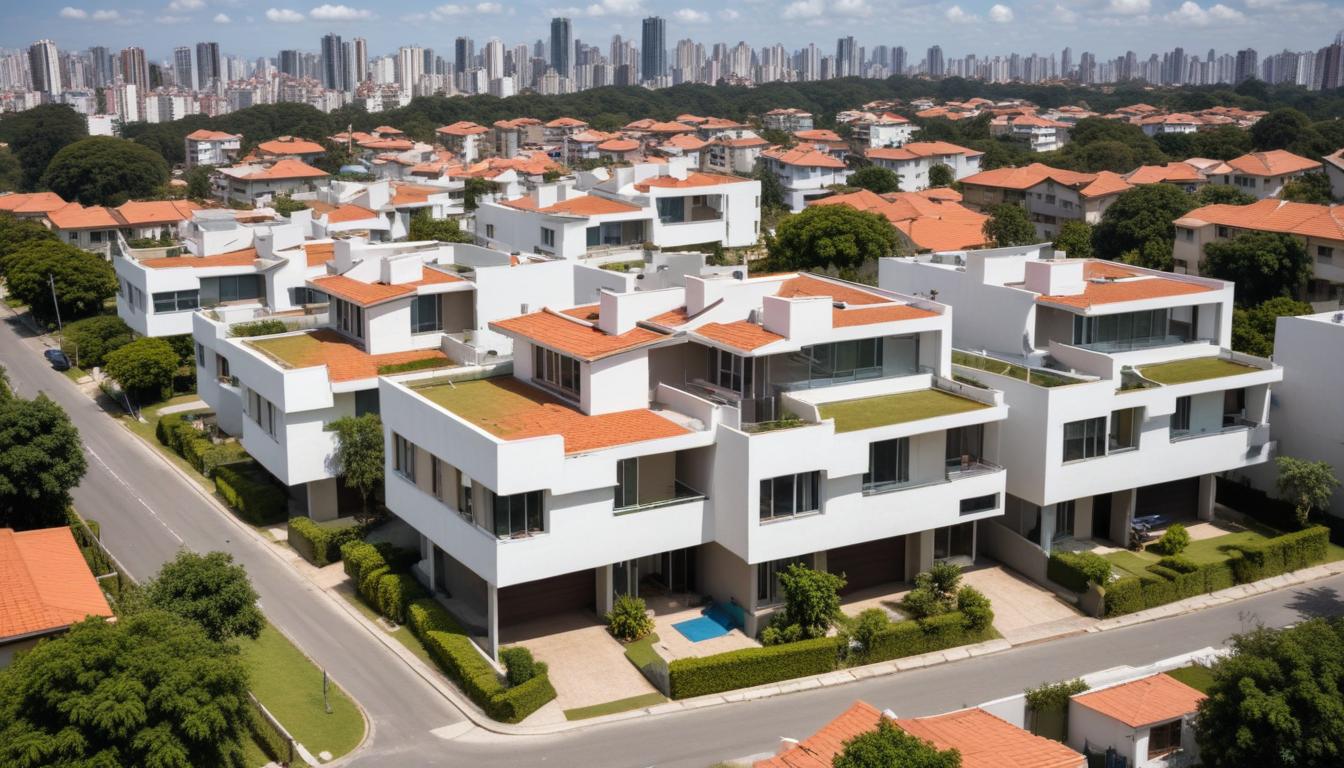
Emerging neighbourhoods tell a different story. Tatuapé and Mooca, traditionally overlooked by trophy-hunters, are capturing investor attention precisely because yields remain healthier at 4.5–5.5%. New Metro connectivity and mixed-use developments around Avenida Salim Farah Maluf are driving both occupancy and rents upward without yet commanding Jardins-level premiums. Vila Madalena, too, continues to attract younger renters drawn to its bar culture and creative industries presence, supporting stable 4–5% returns.
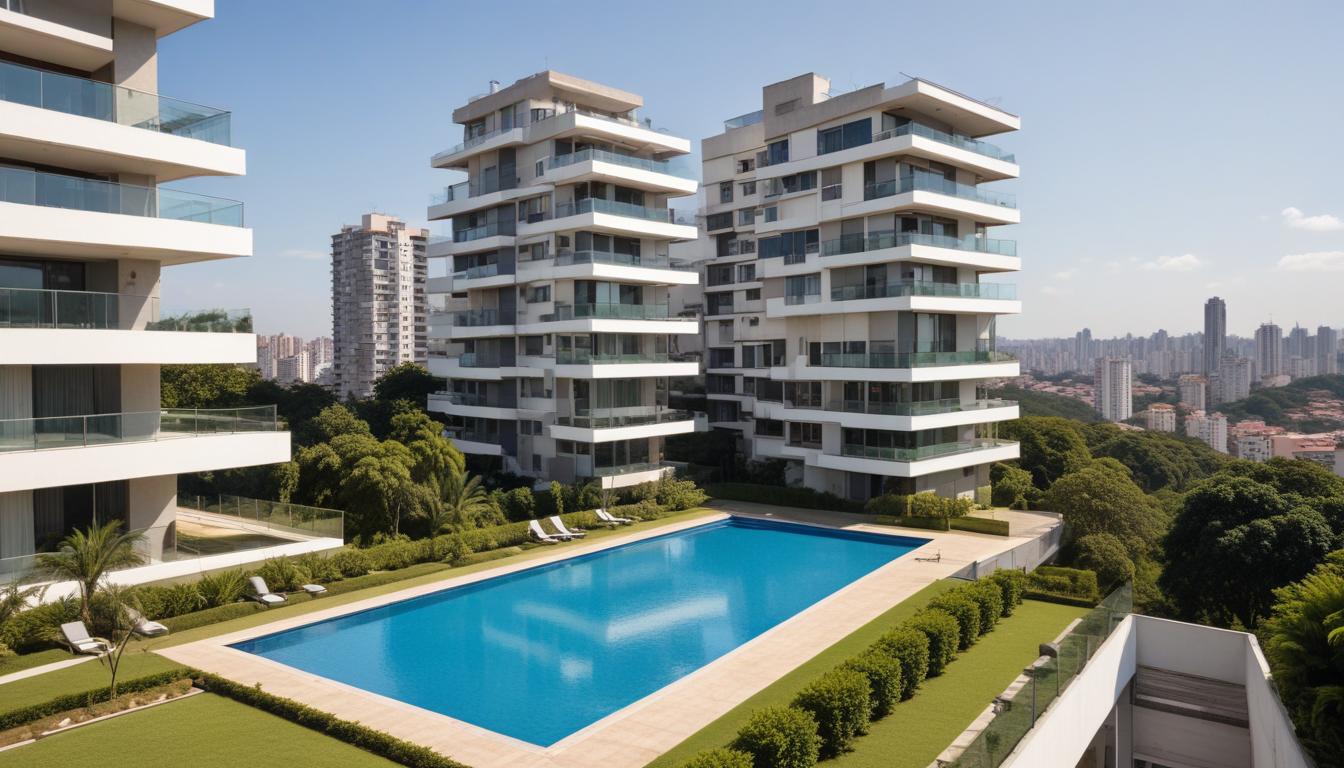
The luxury segment—particularly Itaim Bibi's high-rises—operates under different rules. Investors here are betting on currency hedging and international buyer demand rather than local rental income. Monthly rents on a BRL 2 million apartment often yield just 2–3%, acceptable only to those seeking capital preservation in a volatile macroeconomic environment.
What's driving prices upward? Supply constraints remain critical. New residential stock in central zones is scarce, while interest rates—currently elevated—have paradoxically pushed cash buyers and foreign investors into the market. Simultaneously, corporate relocations and the professionalization of property management have elevated expectations around apartment specifications and building amenities, pushing construction costs higher.
For buyers today, the calculus has shifted. Pure yield-chasers should look beyond Instagram-famous neighbourhoods. Tatuapé's transit improvements, or emerging corridors near Pinheiros' western edge, offer better entry points. Those with long time horizons can justify lower yields if they believe in neighbourhood trajectory—Vila Madalena's transformation over the past decade vindicated that thesis.
The critical lesson: understand your exit strategy before calculating returns. Will you sell in five years, seeking capital gains? Then Jardins still works. Are you building a long-term rental portfolio for income? Mooca or Tatuapé deserve serious consideration. São Paulo's market complexity rewards buyers who match neighbourhood fundamentals to personal investment timelines, not those chasing yesterday's hottest addresses.
This article was compiled by AI from the sources linked above and screened before publishing. See our editorial standards.
How does this story make you feel?
Spread the word
About this article
Published by The Daily São Paulo
Daily brief
Free, in your inbox before 7am. Weekdays.
More in Property