São Paulo's property market is sending mixed signals. While clearance rates have softened across the broader Australian landscape, the city's residential sector tells a more complex story—one where location, infrastructure investment, and shifting buyer behaviour are rewriting the rules of affordability.
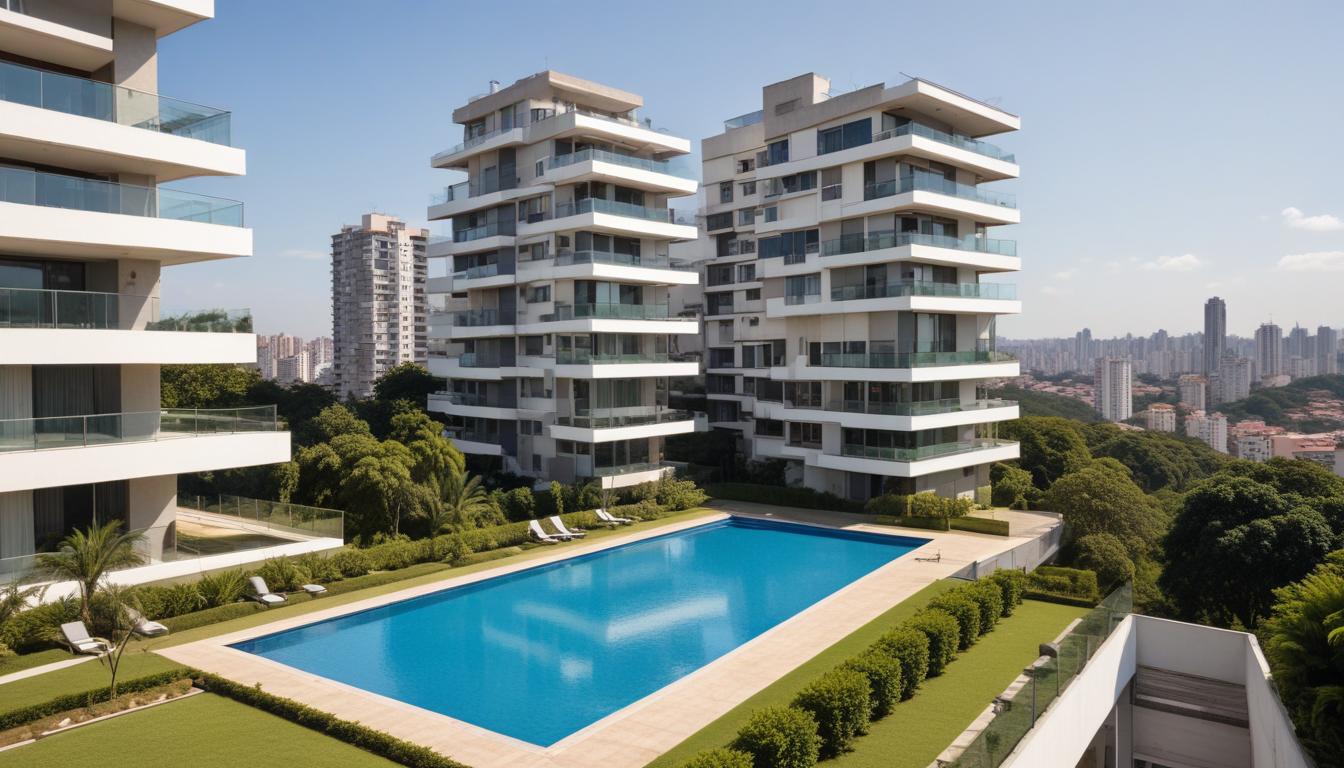
The numbers paint a sobering picture for price-sensitive buyers. The metropolitan average has crept toward BRL 11,000 per square metre, up from BRL 10,000 just eighteen months ago. Yet this headline figure masks dramatic divergence across neighbourhoods. Itaim Bibi remains the fortress of luxury, where trophy apartments routinely exceed BRL 15,000/sqm, while growth corridors like Tatuapé and Mooca—long considered affordable alternatives—are experiencing double-digit percentage gains as infrastructure projects accelerate development.
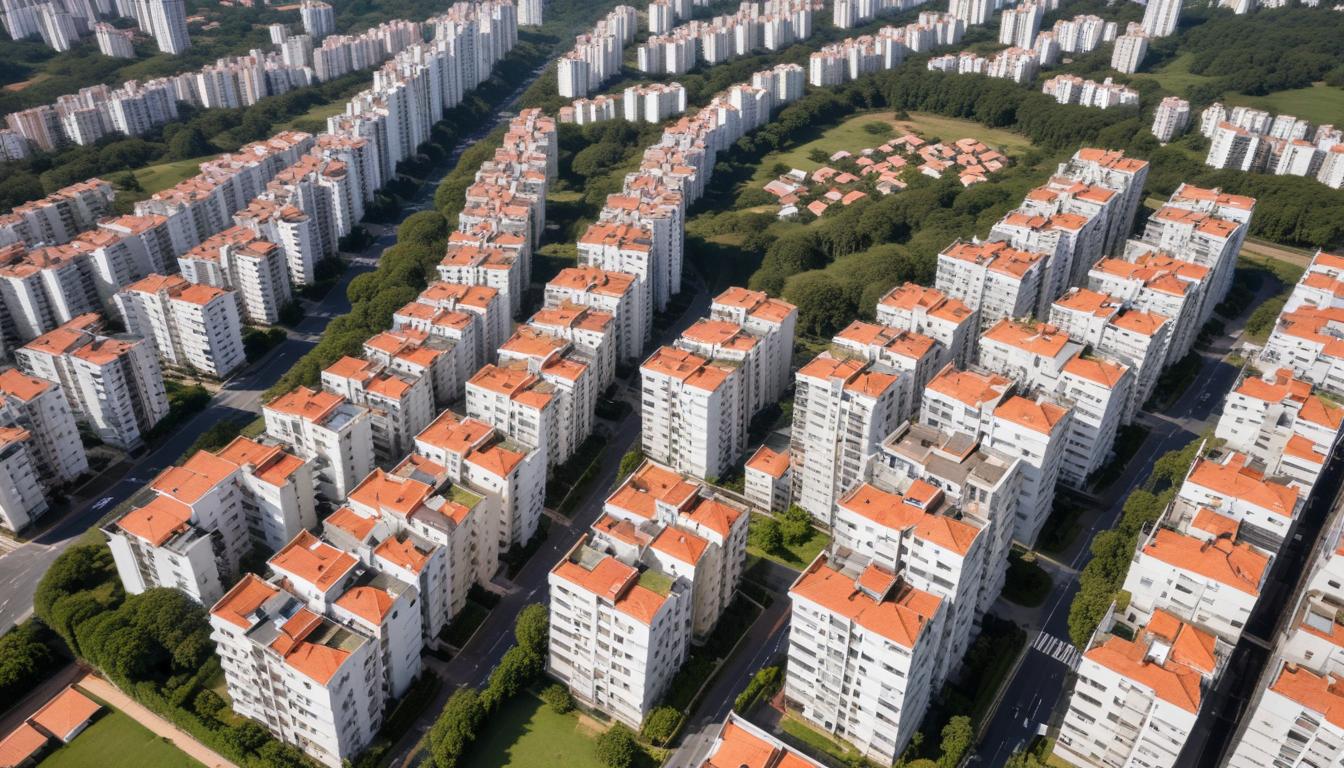
Three forces are colliding to reshape the market. First, infrastructure spending is materialising. The expansion of the São Paulo Metro's eastern lines and renewed focus on transport-oriented development around Luz and República have triggered speculative buying in traditionally overlooked zones. Second, institutional investors from coastal capitals are diversifying into São Paulo's mid-market, particularly around Pinheiros and Vila Madalena, where creative industries and lifestyle amenities justify price premiums. Third, rental yields in premium zones have compressed so severely that owner-occupiers are increasingly priced out, shifting demand downmarket and creating bottleneck effects in affordable segments.
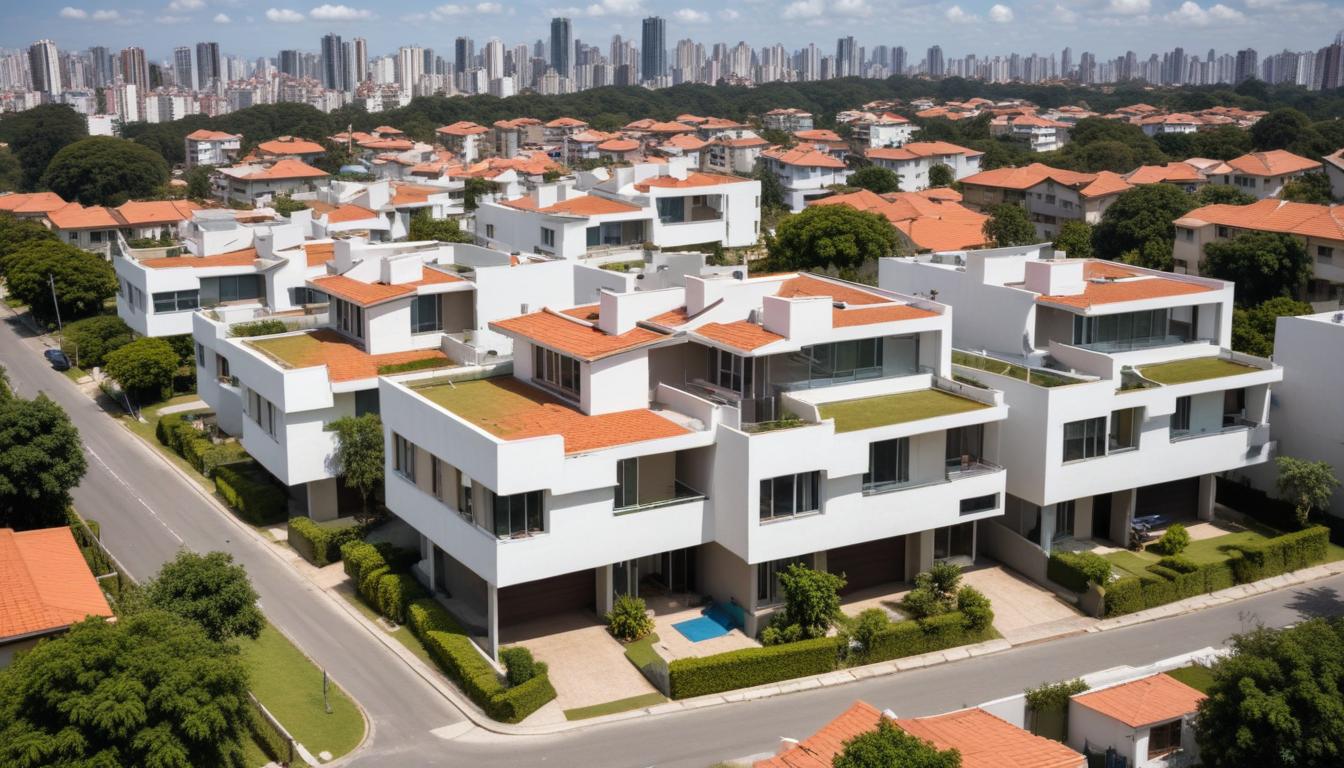
For buyers navigating this environment, several lessons emerge. Premium neighbourhoods like Jardins remain relatively stable—they're already fully priced—but secondary locations are where volatility concentrates. A two-bedroom in Vila Madalena near Rua Ficarguena might command 25 per cent more than an identical unit two kilometres away in Santa Cecília, yet the fundamental utility differs minimally. Timing matters less than location choice; investors betting on infrastructure-adjacent properties in emerging zones like Mooca are capturing outsized gains, but face execution risk if projects delay.
The affordability crisis is real. First-time buyers seeking entry-level stock now face median prices that demand household incomes of at least BRL 15,000 monthly—a threshold only 30 per cent of São Paulo households comfortably exceed. This dynamic is pushing would-be buyers toward micro-apartments, smaller units, or more distant peripheries, fragmenting what was once a more cohesive middle-market segment.
The takeaway for buyers: understand what's driving prices in your target neighbourhood before committing. Is it genuine infrastructure transformation, speculative momentum, or simply market-wide inflation? In São Paulo, 2026 rewards informed decision-making over reactive urgency.
This article was compiled by AI from the sources linked above and screened before publishing. See our editorial standards.