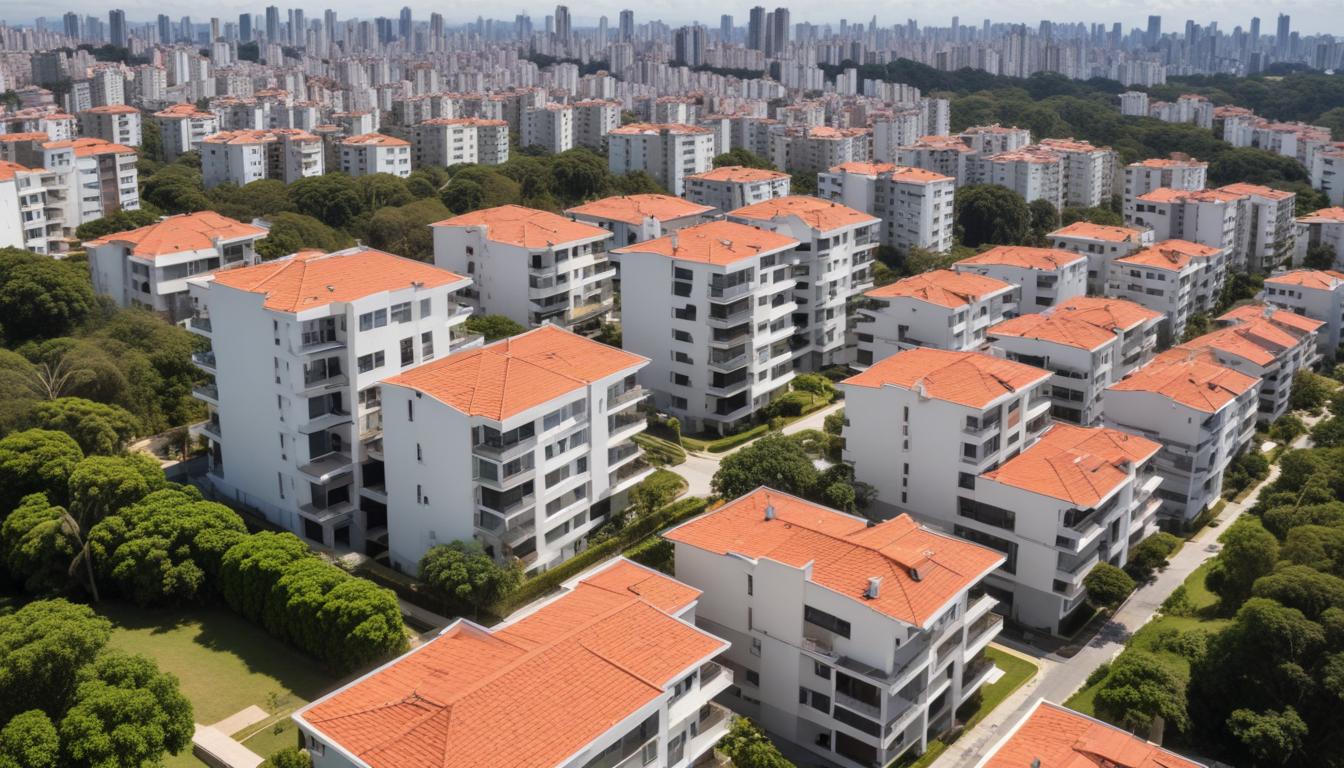
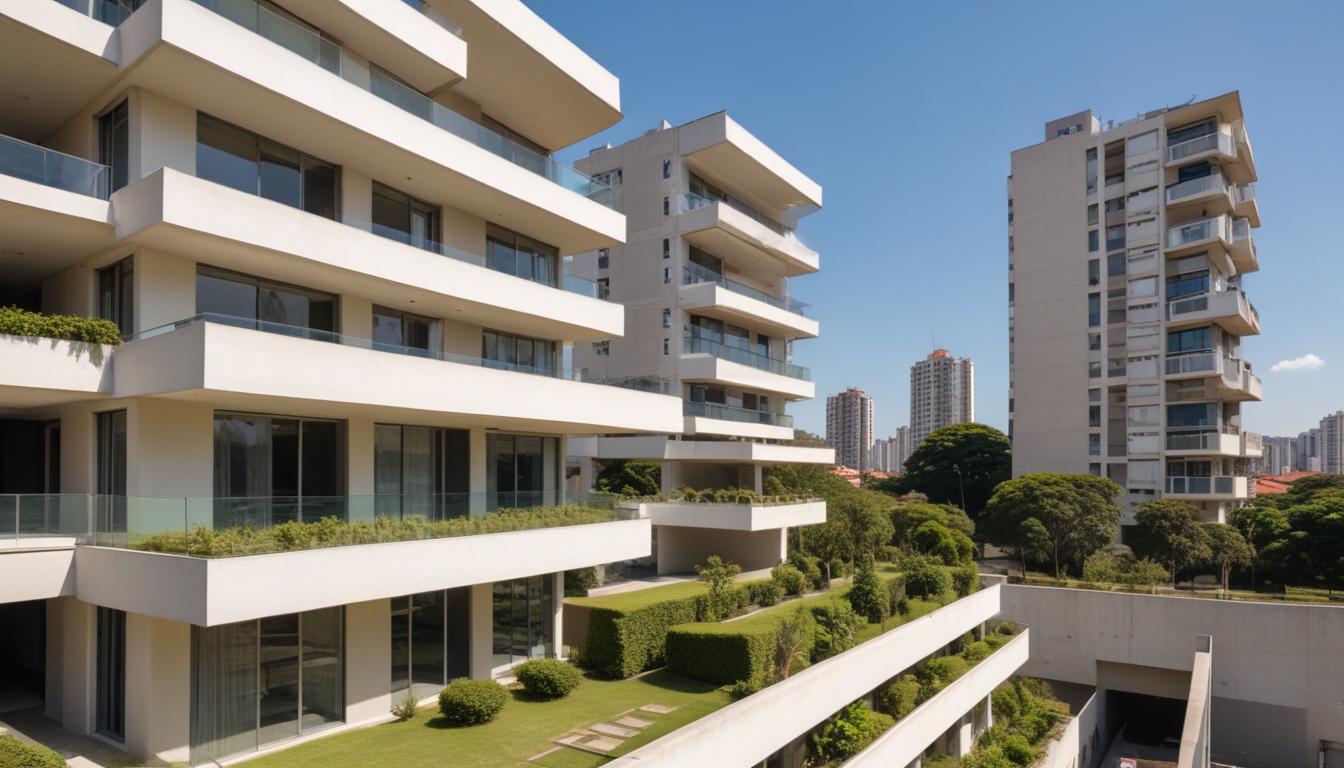
São Paulo's residential market has entered a peculiar moment. While the city's average price hovers around BRL 10,000 per square metre, the gap between aspirational neighbourhoods and emerging alternatives has never been wider—or more revealing of what's actually moving the needle.
Three interconnected forces are reshaping pricing right now. First: scarcity value in established premium zones. Properties in Jardins and Pinheiros command a structural premium, often exceeding BRL 15,000 per sqm, anchored not just by architecture but by proximity to commercial hubs, metro access, and institutional anchoring around Avenida Paulista. These neighbourhoods aren't becoming more affordable; they're becoming more selective.
Second: the Vila Madalena effect. Once the bohemian alternative, this zone has matured into a genuine lifestyle asset. The concentration of galleries, restaurants, and cultural venues around Rua Fradique Coutinho has attracted institutional capital and international buyers, pushing prices upward in a way that mirrors gentrification cycles elsewhere. Buyers here are paying for experience infrastructure, not just square metres.
Third—and this is where opportunity lives—infrastructure-driven appreciation in secondary corridors. Tatuapé and Mooca have become focal points for developers and investors precisely because they offer connectivity without the Jardins premium. Metro accessibility, proximity to São Paulo's emerging tech corridor in Vila Formosa, and lower entry points (often 30–40% beneath Pinheiros equivalents) are attracting both first-time buyers and portfolio investors. Prices there are rising, but not yet reflective of the underlying fundamentals.
For buyers, the key insight: the market is no longer monolithic. The days of expecting uniform appreciation across the city are gone. Instead, appreciation is now spatially concentrated in pockets where infrastructure meets cultural capital—and rapidly migrating toward areas where those conditions are emerging but haven't yet been fully priced in.
The affordability crisis isn't uniform either. A young professional might find workable options in Mooca or even further east, where BRL 8,000–9,000 per sqm is still achievable for decent stock. But in Itaim Bibi, luxury's epicentre, BRL 16,000–18,000 is the floor for serious properties. Meanwhile, regulation—including recent discussions around zoning reforms in the municipality—could unlock density in places like Tatuapé, theoretically increasing supply and moderating future price growth.
The message for buyers: urgency is misplaced, but strategy is essential. Understanding which neighbourhoods you're truly buying—lifestyle asset, investment hedge, or emerging opportunity—should precede any financial commitment.
This article was compiled by AI from the sources linked above and screened before publishing. See our editorial standards.