São Paulo's construction approvals have entered a decisive phase. Across the city's most dynamic neighborhoods, new projects are moving from planning departments to active sites, signaling a fundamental shift in how the metropolis is built—and who can afford to live in it.
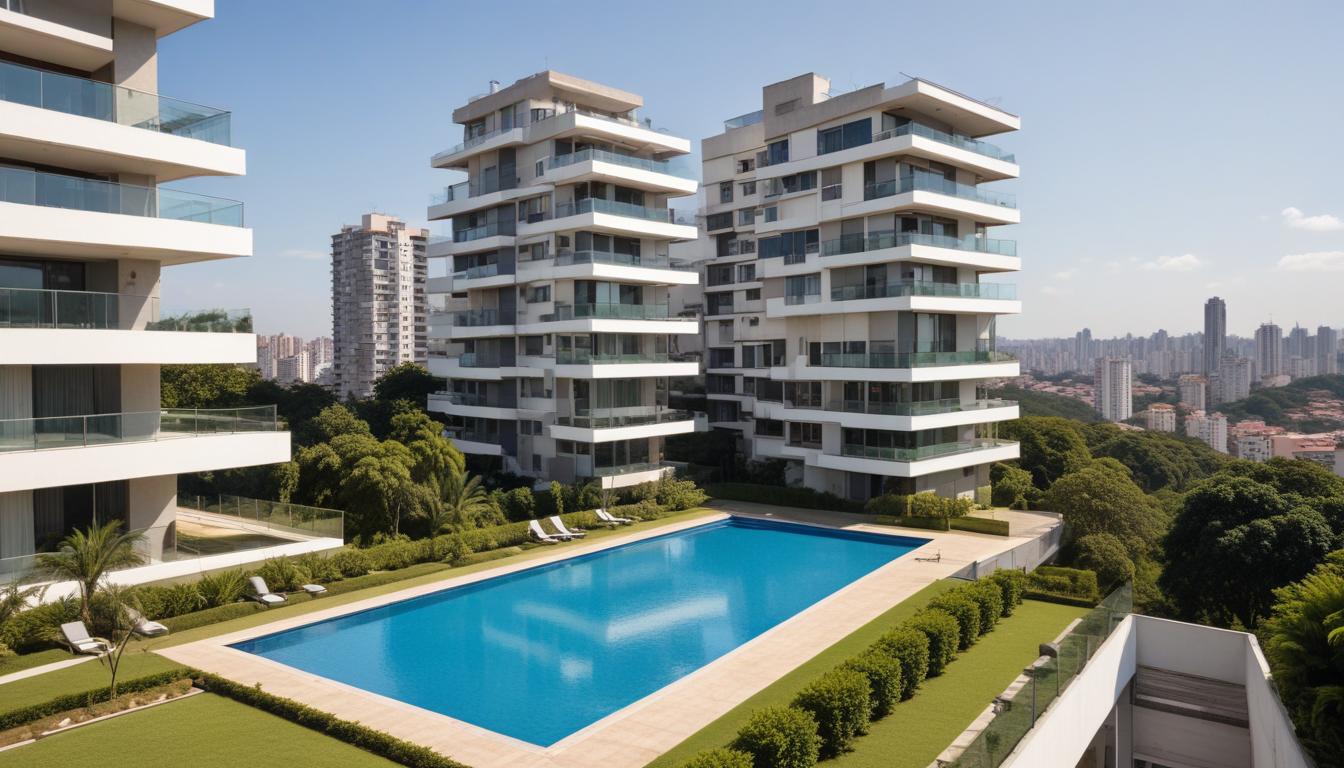
The scale is substantial. Recent approvals in Pinheiros have cleared the way for mixed-use developments that will add roughly 8,000 residential units over the next four years, alongside retail and office space. One landmark project near Rua Bandeira da Silva promises 450 apartments starting at BRL 1.2 million, significantly above the city average of BRL 10,000 per square meter. The development will reshape the street's character entirely, replacing warehouse conversions with gleaming residential towers.
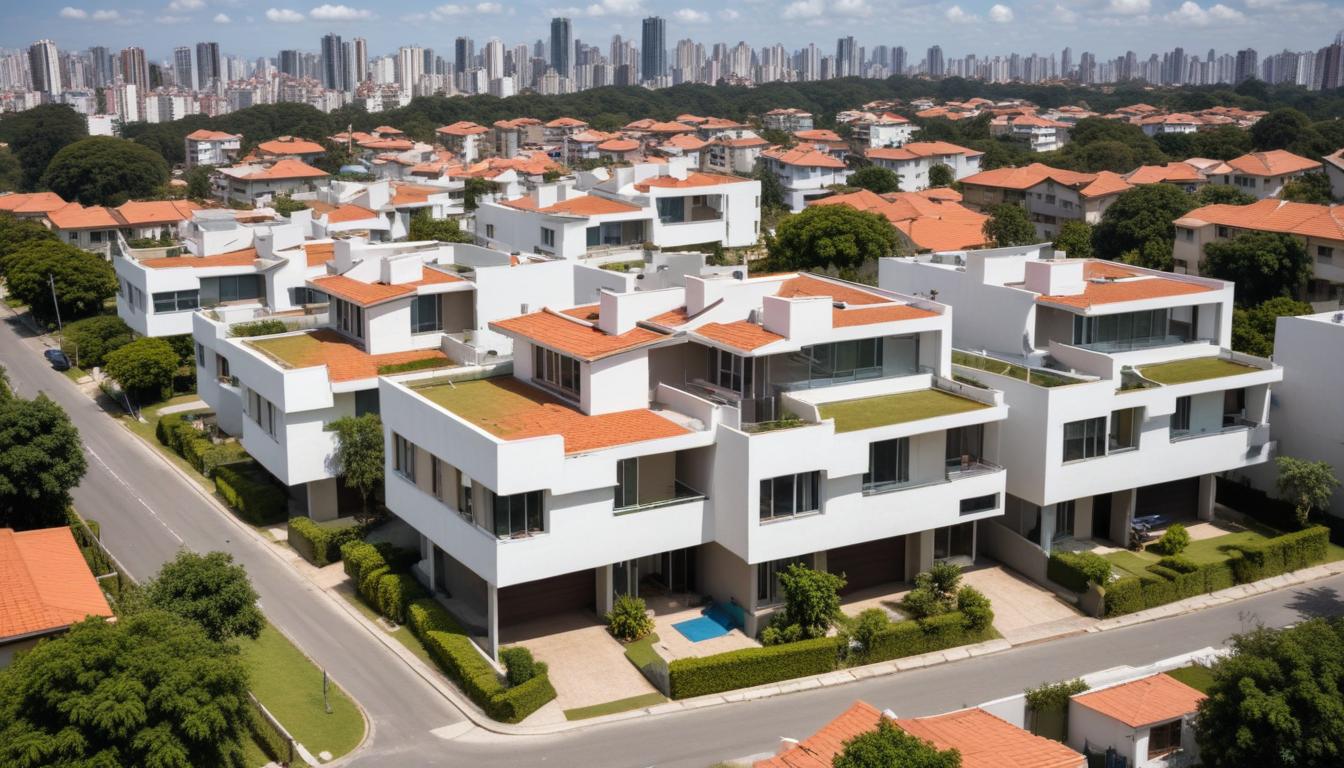
In Vila Madalena—long São Paulo's creative heartland—approvals tell a more nuanced story. New projects here are significantly constrained by heritage preservation rules and community opposition. A recently cleared 200-unit residential complex near Rua Ficarguera will maintain ground-floor commercial spaces, a compromise aimed at preserving the neighborhood's bohemian character while accommodating market demand. Yet prices in Vila Madalena have already begun tracking northeast, with comparable units now touching BRL 15,000 per square meter.
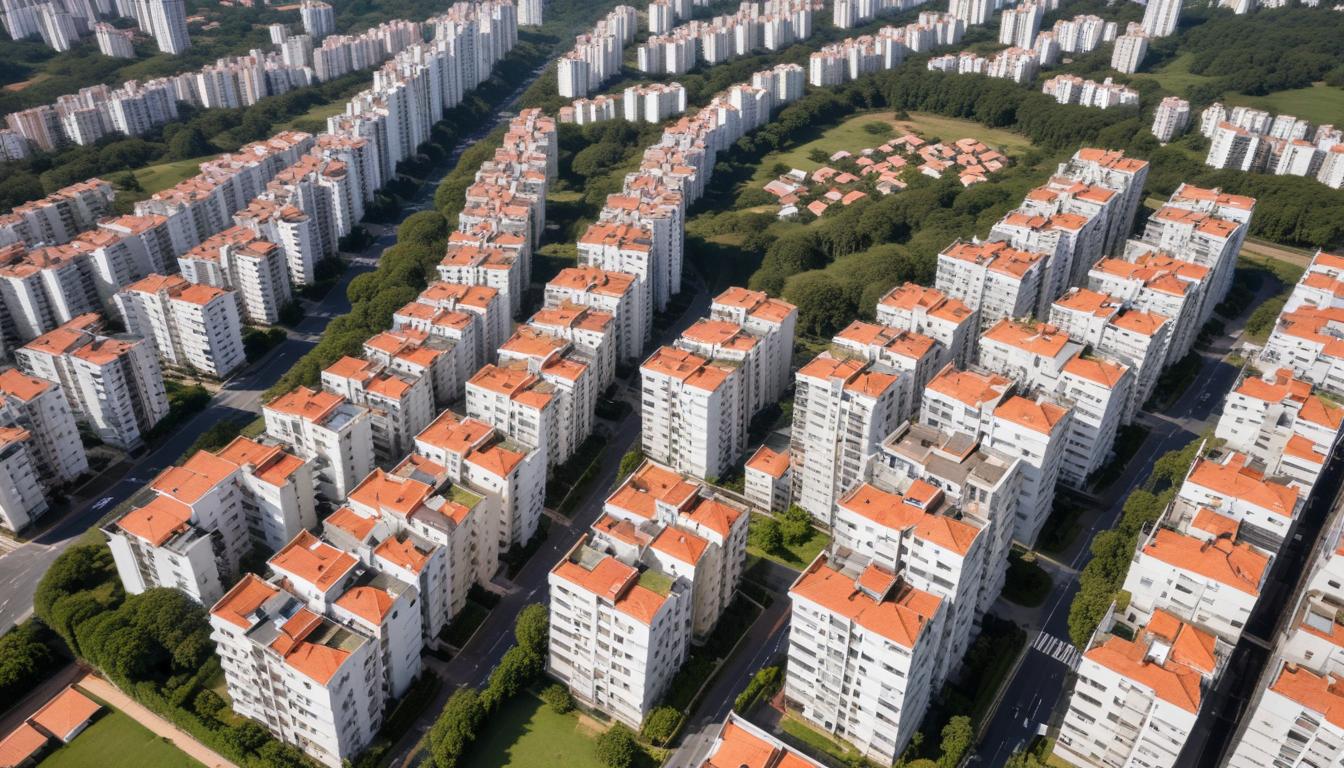
The east side reveals perhaps the most dramatic transformation. Mooca and Tatuapé, long dismissed as peripheral, now see institutional investment. Two major projects approved this quarter—totaling over 1,200 units—position these neighborhoods as the next frontier for middle-class expansion. Initial pricing sits around BRL 8,500 per square meter, attractive to buyers priced out of Jardins or Itaim Bibi, where luxury developments remain anchored above BRL 18,000 per square meter.
What these approvals mean on the ground is complex. Developers argue construction fills a genuine supply gap; the city needs housing at multiple price points. But neighborhoods transformed rapidly lose their defining character. Pinheiros is already experiencing congestion spikes; local retailers report declining foot traffic as residential density rises without proportional commercial expansion.
The regulatory environment has shifted favorably for builders. Streamlined approval processes—particularly for projects meeting environmental and transit integration standards—have cleared backlogs. Yet this efficiency hasn't translated universally. Applications in Jardins face tighter scrutiny, protecting the premium positioning that defines Brazil's most expensive residential real estate.
For investors and residents, the message is clear: approve now or watch your neighborhood transform without your input. The next 18 months will determine São Paulo's shape for a generation.
This article was compiled by AI from the sources linked above and screened before publishing. See our editorial standards.