news
São Paulo's Metro and Bus Expansion: What It Actually Means for the 12 Million People Who Ride Every Day
New lines, extended corridors and overhauled terminal hubs promise to shave commutes and ease one of the world's most punishing urban journeys, but the benefits won't reach everyone at the same time.
How we reported this
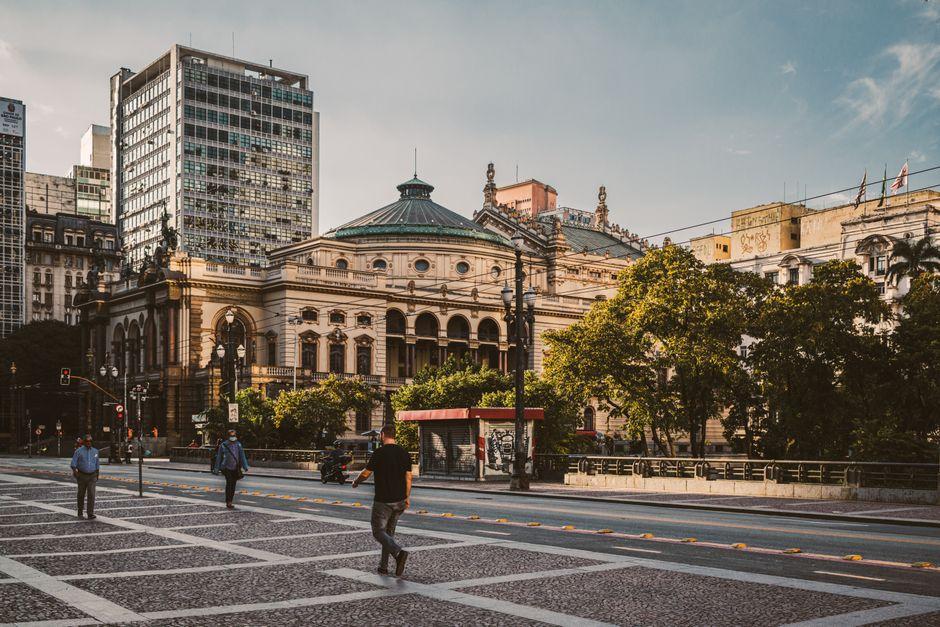
The state government confirmed this week that Line 6-Orange, running 15.3 kilometres from Brasilândia in the north to São Joaquim near the historic centre, will begin partial commercial operations in the fourth quarter of 2026, a deadline that has slipped before but now carries political weight ahead of state elections. Simultaneously, the city hall under Mayor Ricardo Nunes is accelerating the expansion of the Faixa Azul dedicated bus corridors on Radial Leste and Avenida Celso Garcia, two of the east zone's most clogged arteries.
The timing matters. São Paulo's commute crisis has worsened measurably since the pandemic reshuffled where people live versus where they work. The Companhia do Metropolitano de São Paulo, Metrô, recorded an average of 4.8 million passenger trips per day in the first quarter of 2026, a 9 percent increase over the same period in 2024. Bus ridership on São Paulo Transporte S.A. routes crossed 8 million daily trips by May. The network was built for different numbers, and residents in peripheral districts are paying the price in hours lost each week.
Who Gets Relief First, and Where
Line 6-Orange is the most consequential piece. Brasilândia is one of the city's most densely populated districts, home to roughly 280,000 people, the majority of whom currently rely on buses to reach the nearest metro station at Santana or Tietê, journeys that can exceed 90 minutes in morning peak. When the line opens, the trip from Brasilândia to República in the centre is projected to take under 25 minutes. For workers who commute daily to Paulista Avenue or the financial district around Faria Lima, that is not a marginal improvement; it restructures the day.
The city's bus corridor push is less glamorous but touches more residents more quickly. The expanded Faixa Azul on Avenida Celso Garcia, a 12-kilometre stretch through Penha, Tatuapé and Belém, has already cut average bus journey times by an estimated 18 percent on completed sections, according to São Paulo Transporte data released in June. The Nunes administration says the full Radial Leste extension, reaching Itaquera and connecting to the CPTM Line 3 terminus, should be operational by March 2027.
Terminal Capelinha in the south zone and Terminal Santo André in the ABC region, both major interchange points for workers crossing municipal lines, are also slated for physical upgrades: covered platforms, real-time arrival boards and integration with the Bilhete Único Metropolitano fare card. The unified fare, currently capped at R$8,00 for a combined metro-and-bus trip completed within three hours, is central to the state's pitch that the network functions as a single system rather than a collection of competing services.
The Gap Between the Map and the Street
The announcements land against a familiar backdrop of delayed infrastructure and uneven investment. Line 17-Gold, the monorail link to Congonhas airport, has been under construction since 2014 and remains years from completion. Communities along the projected Line 20-Rosa corridor, running through Santo André and São Bernardo do Campo, have been waiting for groundbreaking since 2022.
Residents in Jardim Ângela, Grajaú and Parelheiros, the far south zone districts that hold close to 1.2 million people and have no metro coverage, will see essentially no benefit from the current expansion cycle. Transport researchers at the Universidade de São Paulo's Escola Politécnica have documented that the city's rail network covers roughly 101 kilometres of track to serve 12 million residents, compared to London's 402 kilometres for a population of 9 million. The structural gap is not closing fast.
For residents along the routes actually moving forward, the practical steps are concrete. The Metrô is expected to publish Line 6-Orange test-run schedules through its official app by August. Workers registered in the Benefício de Mobilidade Urbana programme, which subsidises Bilhete Único top-ups for low-income commuters, should check with their employers whether payroll contributions have been updated for the new R$8,00 ceiling. And anyone living in the north or east zone who has not linked their Bilhete Único to a CPF number should do so at any Poupatempo unit before the busy year-end period, it is the only way to recover credit if a card is lost or stolen.