São Paulo's 1.9 Million Housing Gap: What It Actually Means for the People Living It
A new deficit figure lays bare the scale of the crisis, but the real story is playing out block by block across the city's periphery.
A new deficit figure lays bare the scale of the crisis, but the real story is playing out block by block across the city's periphery.
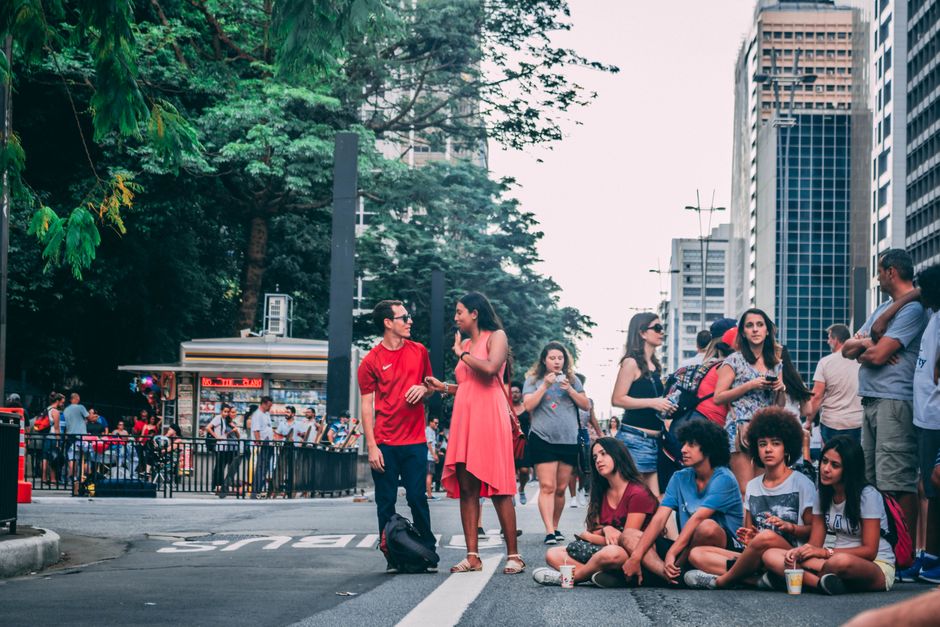
São Paulo is short 1.9 million housing units. That number, published this week by the João Pinheiro Foundation in its annual housing deficit survey, is not an abstraction. It translates, in practice, to families doubling up in single rooms in Brasilândia, to informal settlements inching closer to flood-prone creek banks in Parelheiros, and to young workers in Pinheiros paying 60 percent of their take-home salary on rent for a 28-square-meter studio apartment.
The timing of the report matters. Mayor Ricardo Nunes faces a budget renegotiation with the Câmara Municipal in August, and the Lula administration's Minha Casa Minha Vida program, relaunched in 2023 with a target of two million new units nationally by 2026, is running behind schedule in the metropolitan region. Advocates say the federal program, however ambitious, was never designed at a scale that could absorb the compounding pressure of São Paulo alone, where 40,000 people arrive from other Brazilian states every year.
Drive east along the Radial Leste corridor or take the CPTM Line 11 to Guaianases and the deficit becomes visible: irregular lots subdivided into four or five structures, families renting out converted garages, and entire streets where no formal land title has ever been issued. The city's Secretaria Municipal de Habitação estimates that roughly 474,000 Paulistanos currently live in cortiços, the cramped, subdivided tenement blocks that have been a fixture of neighborhoods like Bom Retiro, Brás, and Cambuci since the industrial era. Rents in those units averaged R$850 per month in the first quarter of 2026, according to data from the Instituto Brasileiro de Economia, but the structures frequently lack adequate sanitation and are the first to flood when the Tietê or Tamanduateí rivers rise.
The Cohab-SP, the city's public housing company, has a waiting list that has hovered above 350,000 registered applicants for the past three years. The agency completed just 4,200 units in 2025. At that pace, clearing the current list alone, without accounting for new applicants, would take more than 83 years. That figure was cited in a March 2026 audit by the Tribunal de Contas do Município.
The 1.9 million unit figure counts structural need: cohabitation, overcrowding, substandard materials, excess rent burden. It does not count the displacement pressure created by urban renewal projects. The ongoing revitalization of the Luz neighborhood and the expansion of the Linha 6-Laranja metro have already relocated more than 8,000 families since 2022, according to documents filed with the São Paulo state Secretaria de Transportes Metropolitanos. Community organizations including Movimento dos Trabalhadores Sem Teto, which has active occupations in Pari and Água Branca, argue that many of those families received replacement housing further from city centers, effectively pushing them away from job markets and public transit networks.
Real-estate prices are not softening. The median asking price for a 50-square-meter apartment in Tatuapé, one of the few middle-ring neighborhoods still considered accessible, crossed R$480,000 in June 2026, a 14 percent increase from June 2024, per Secovi-SP data. For a household earning three minimum wages, that price point is, without subsidized credit, entirely unreachable.
For residents navigating this right now, the most immediate practical step is registering with Cohab-SP through the CadÚnico federal registry, which determines eligibility for Minha Casa Minha Vida's lowest subsidy bands. Advocacy groups including Periferia Viva, which operates offices in São Mateus and Sapopemba, offer free guidance through the application process. The Nunes administration has also signaled a public-private incentive package for affordable rental construction, details are expected to be announced before the August budget session, though housing advocates say they have heard similar promises before and are waiting for line items, not press releases.
How does this story make you feel?
Spread the word
About this article
Published by The Daily São Paulo
Daily brief
Free, in your inbox before 7am. Weekdays.
More in News