São Paulo's municipal digital services platform processed more than 18 million service requests in the first half of 2026, a figure that city hall officials say puts the Brazilian megalopolis ahead of comparable programs in London and Mexico City by volume and resolution speed. The number, released internally by the Secretaria Municipal de Inovação e Tecnologia last month, has touched off a sharper argument among urban planners, civil society groups and tech investors about whether the city is genuinely closing its notorious services gap, or papering it over with dashboards.
The timing matters. Brazil enters the second half of 2026 with federal midterm pressure mounting on President Luiz Inácio Lula da Silva's administration and Mayor Ricardo Nunes navigating a crowded pre-election posture that hinges partly on proving governance competence. A credible claim that São Paulo, population 12.3 million in the municipal limits, 22 million in the metropolitan region, can run digital services at scale is politically valuable. It also arrives as European cities grapple with climate emergencies and infrastructure stress, making the efficiency argument more urgent globally.
What the Platform Actually Does, and Where It Falls Short
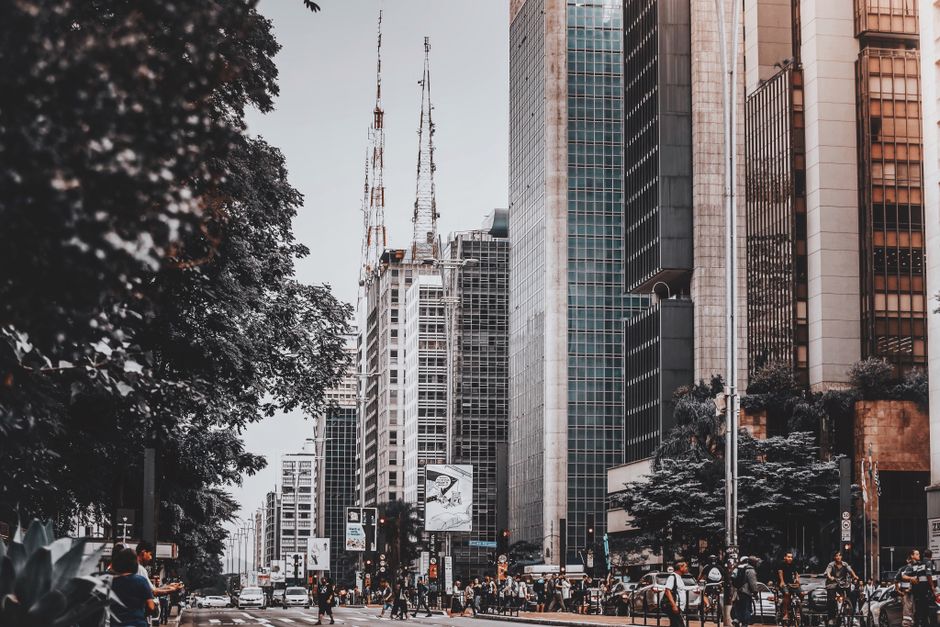
The SP156 platform, launched in its current integrated form in 2021 and expanded significantly in March 2024 under a R$340-million contract with a consortium that includes Stefanini Group and IBM Brasil, handles everything from pothole reports on Avenida Paulista to birth certificate requests in Grajaú. Residents in Pinheiros can track a tree-pruning order through completion. Businesses in the Brás wholesale district can renew operating licences without appearing in person at any of the 26 Poupatempo-style Praça do Atendimento posts scattered across the city.
Specialists at Fundação Getulio Vargas's Centro de Pesquisa em Tecnologia e Sociedade, based on Rua Itapeva near the Brigadeiro metro station, have spent the past year auditing the platform's equity reach. Their preliminary findings, shared at a June symposium, show that resolution times in wealthier subprefeituras like Pinheiros and Santo André average 4.7 days, while requests originating from Jardim Ângela and Cidade Tiradentes, two of the city's most peripheral zones, average 11.3 days. The gap is narrower than it was in 2022, researchers note, but it persists.
Officials at the Secretaria Municipal de Inovação push back on the framing. They point to the SP156 mobile app, which crossed 4 million active monthly users in May 2026, and note that 63 percent of new registrations since January came from postcodes in the city's southern and eastern zones. The city's chief digital officer, speaking in general terms at a Fiesp event on Avenida Paulista in late June, argued that the platform has cut the average cost of a service interaction from R$47 to R$9 since full integration, savings that, in theory, free budget for infrastructure work.
How São Paulo Stacks Up, and What Comes Next
Comparisons with Seoul's Smart City platform and Barcelona's Decidim participatory system circulate freely in municipal presentations, and the numbers are not embarrassing. Seoul's 120 citizen call center handled roughly 14 million interactions in 2025; São Paulo's SP156 claims to have matched that figure in a single quarter this year. Urban governance researchers at USP's Faculdade de Arquitetura e Urbanismo caution against raw volume comparisons, noting that São Paulo's figures include automated bot interactions that Seoul counts separately.
The practical question for residents is what happens when the platform's efficiency claims collide with the city's physical realities. The June flooding that submerged parts of the Marginal Tietê corridor and left the Mooca neighbourhood inaccessible for 36 hours generated more than 140,000 SP156 reports in 72 hours, a stress test the system passed technically but that exposed how digital responsiveness cannot substitute for drainage investment. Engineers at the Instituto de Pesquisas Tecnológicas, on the campus of Cidade Universitária in Butantã, have recommended the city integrate real-time hydrological sensor data directly into SP156 alerts by the end of 2026. City hall has said it is evaluating the proposal. Residents in flood-prone zones on the eastern periphery are unlikely to wait patiently for that evaluation to conclude.