news
São Paulo launches largest transit expansion in 30 years after decades delay
A city that has been strangled by traffic since the 1970s is now pushing ahead with metro extensions and bus corridor upgrades, but getting here required a long, painful reckoning with decades of political failure.
How we reported this
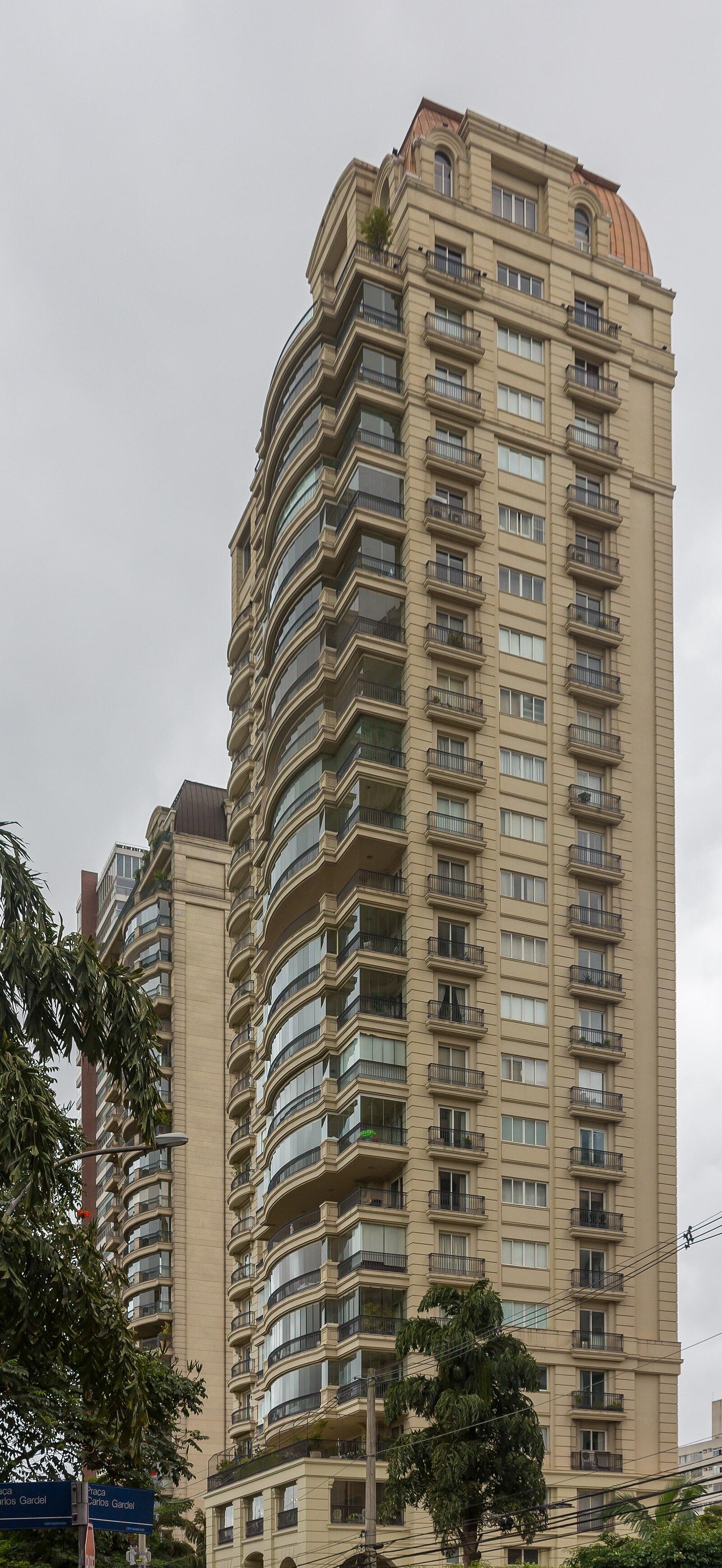
São Paulo's city government confirmed this week that construction on the Line 6-Orange metro extension, running from Brasilândia in the far north to São Joaquim in the historic centre, will reach its final phase by the end of 2026, with full commercial operations projected for mid-2027. At the same time, the municipal secretariat for transport has accelerated a parallel programme of dedicated bus lanes across 14 corridors, targeting the Radial Leste and Avenida dos Bandeirantes as priority axes. Together the two projects represent the largest single injection into the city's public transit infrastructure since the 1990s expansion of the Companhia do Metropolitano de São Paulo, universally known as Metrô.
The timing is not accidental. São Paulo lost an estimated R$133 billion in productivity in 2024 alone due to traffic congestion, according to data compiled by the Instituto de Pesquisa Econômica Aplicada. The average commuter in the eastern zone, covering districts like Itaquera, Guaianases and Vila Prudente, spends roughly two hours and forty minutes daily in transit, much of it on overcrowded SPTrans buses crawling through unsegregated lanes. Mayor Ricardo Nunes, facing municipal elections in October 2028, has staked a significant portion of his legacy on demonstrating tangible progress before voters return to the polls.
A City Built Around the Car, and Who Decided That
São Paulo's love affair with the automobile was not organic. It was engineered. The administration of Prestes Maia in the 1930s and 1940s laid out the radial-perimetral road system that still shapes the city's arterial logic today. The Avenida Paulista was widened for vehicles. The Minhocão elevated expressway, opened in 1971 over Avenida Elevado Presidente João Goulart in Santa Cecília, was designed to move cars through the city centre at the explicit expense of pedestrians and residents. Bus networks were left to grow organically, without a coordinating authority, until the creation of SPTrans in 1995.
Metro investment lagged even further. Line 1-Blue, the original north-south trunk opened in September 1974, remained the only line in operation for nearly a decade. By 2000, the network covered just four lines and roughly 61 kilometres of track, comically inadequate for a city of 10 million people that was already the largest in the Southern Hemisphere. Successive state governments, which hold jurisdiction over Metrô under the CPTM and Metrô concession structures, prioritised highway expansion instead. The Rodoanel Mário Covas, a ring road encircling the metropolitan region, absorbed billions in state investment through the 2000s. Bus rapid transit proposals were repeatedly shelved.
What Changed, and What Still Has to
The inflection point came after June 2013. The fare protests that erupted that month, triggered by a R$0.20 increase in bus fares and centred on confrontations along Avenida Paulista and the Viaduto do Chá, shook every layer of São Paulo's political class. Then-mayor Fernando Haddad reversed the fare increase within days. More durably, the episode forced an acknowledgement that the city's transit model was broken in ways that affected millions of ordinary working people, not just a politicised fringe.
Federal support from the Lula administration, which returned to power in January 2023, has been critical to unlocking funding. The Programa de Aceleração do Crescimento 3, launched in 2023, earmarked R$2.6 billion for urban mobility projects across the greater São Paulo metropolitan region, with Line 6-Orange and the Expresso Tiradentes bus corridor among the named beneficiaries. The state government of Tarcísio de Freitas, despite political tensions with Brasília, has kept the Metrô concession process moving, with CCR Metrô São Paulo as the private operator for Lines 4, 5 and 6.
For commuters, the practical question is simpler: when will the journey from Brasilândia to Consolação take less than ninety minutes? If the 2027 timeline holds, the answer is soon. Residents along Linha 6's route in Água Branca and Pompeia are already watching construction walls go up around the new stations. SPTrans has committed to publishing updated bus frequency data on its open-data portal by September 2026, which will allow independent researchers to verify whether the corridor upgrades are actually reducing headways. The city has promised this time. The city has promised before.