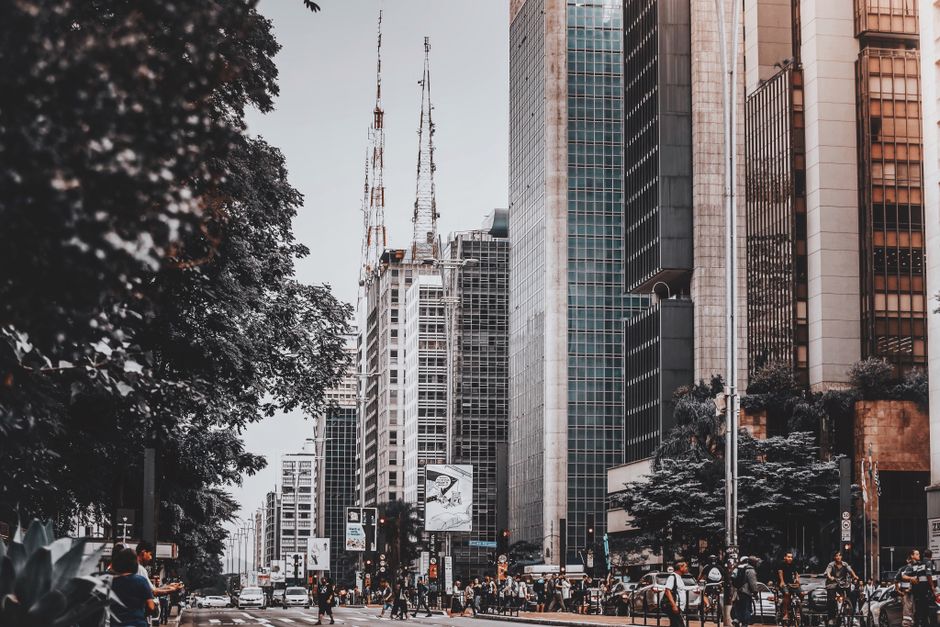
Haitians sleeping in shifts at a shared room near the Luz train station. Venezuelans selling acarajé on Avenida Paulista for R$8 a piece because no employer will register them. A Congolese family waiting eleven months for a CPF number that still hasn't arrived. These are not abstractions, they are the daily arithmetic of São Paulo's migration crisis in July 2026, and the people living it are losing patience.
The city's migrant population has swollen to roughly 430,000 registered foreign-born residents, according to the Secretaria Municipal de Direitos Humanos e Cidadania, a figure that excludes tens of thousands in irregular status. The pressure point has intensified this year as two intersecting crises have pushed more people toward Brazil: an ongoing humanitarian emergency in Venezuela and a fresh wave of displacement from Haiti and West Africa following the kind of extreme weather events that killed dozens in Côte d'Ivoire last week. São Paulo absorbs the bulk of these arrivals. It always has. The question city hall and federal agencies are now arguing over is whether it can keep doing so without a coordinated structural response.
Voices From the Streets of Brás and Beyond
The neighbourhood of Brás, historically São Paulo's first port of call for immigrants, Italians a century ago, Bolivians in the 1990s, and now a patchwork of nationalities, is where the tension is most visible. On Rua Oriente, small textile workshops employing Bolivian and Paraguayan workers sit beside evangelical churches that double as informal migrant shelters on weeknights. Community workers at the Centro de Referência e Acolhimento para Imigrantes (CRAI), which operates out of a building on Rua Major Diogo in Bela Vista, say daily intake has increased by roughly 40 percent since January compared to the same period last year. The centre processed 1,247 individual cases in May alone.
A Venezuelan woman who has lived in the Vila Madalena neighbourhood for two years, she asked not to be named, fearing it would complicate her residency application, described spending seven hours on a single day in March at a federal Polícia Federal post in Lapa, only to be told the system was offline. She went back twice. "You feel invisible," she said through a community interpreter at CRAI. "Not dangerous. Not welcome. Just invisible." A Haitian man selling phone accessories near the Terminal Rodoviário do Tietê said he'd been in São Paulo for three years and still could not open a bank account because no branch would accept his foreign documentation without a guarantor who is a Brazilian citizen. Bradesco and Caixa Econômica Federal both declined to comment specifically on documentation requirements for migrants.
What the Numbers and Programs Actually Show
The federal government's Programa Missão Paz, run in partnership with the Scalabrinian congregation from its base in the Glicério neighbourhood, remains one of the most functional integration pipelines in the city. Since 2014 it has assisted more than 65,000 migrants with documentation, Portuguese literacy and job placement. Even so, coordinators there say the wait for a Carteira de Trabalho digital registration now stretches to four months on average, a gap that pushes newly arrived workers into informal arrangements where wage theft is routine.
Mayor Ricardo Nunes's administration launched the Programa SP Acolhe in early 2025 with an initial budget of R$12 million, promising expanded shelter capacity and fast-track document support at the Centro de Atendimento ao Imigrante offices in Pinheiros and Santo André. Civil society groups give it mixed reviews. Conectas Direitos Humanos, whose office is on Rua Ministro Godói in Perdizes, published an audit in April noting that only 38 percent of shelter beds pledged under SP Acolhe were operational by the end of the first quarter.
With Brazil's municipal elections in October and the Lula government in Brasília navigating its own coalition tensions, no bold legislative fix is imminent. Community organisers at CRAI are pushing for two immediate measures: a 30-day emergency document processing window at the Poupatempo units in Itaquera and Santo Amaro, and a formal agreement requiring the Secretaria Estadual de Educação to accept foreign school records without apostille certification for children under 14. Those proposals sit on a desk somewhere in the Palácio dos Bandeirantes. For the family in Glicério waiting on that CPF, the desk might as well be in another country.