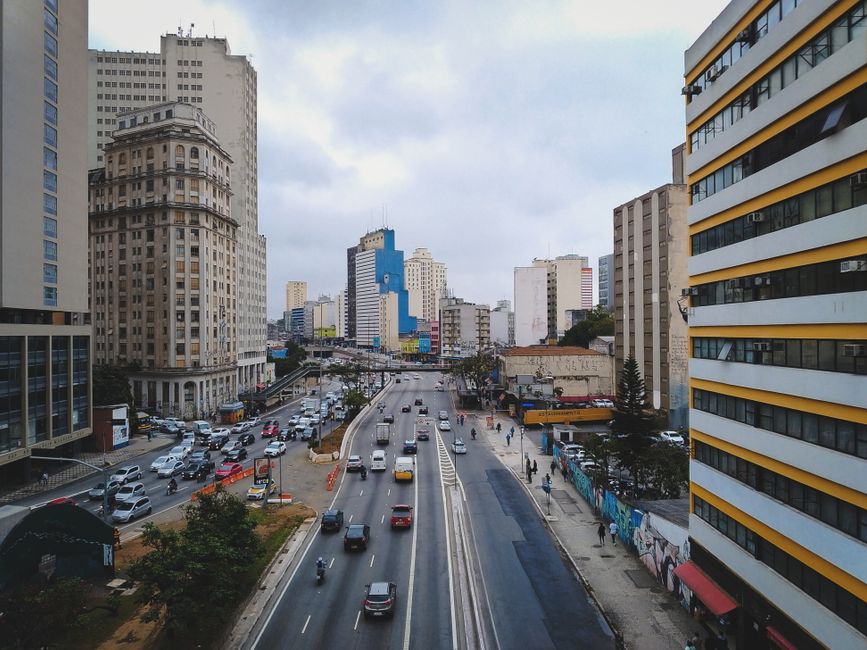
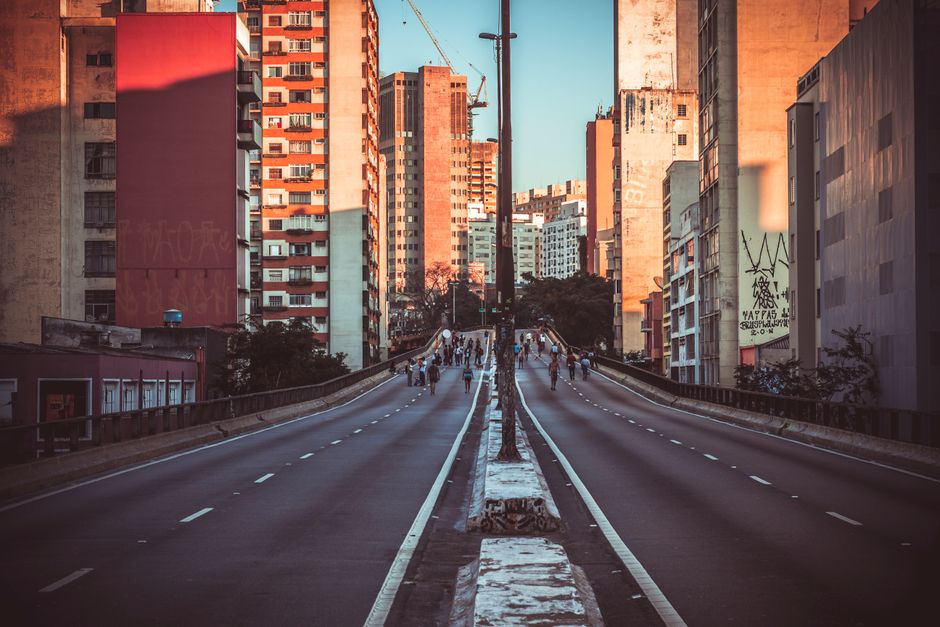
São Paulo's sprawling immigrant communities are recalibrating their strategies this week following a confluence of regional developments that have reverberated through the city's established migrant networks. From the Bom Retiro textile district to the Venezuelan-heavy zones around Praça da República, community leaders and migration advocates are processing what widening international tensions mean for those seeking refuge and economic opportunity in Brazil's largest city.
The escalating instability across neighbouring Venezuela—where recovery efforts continue following recent seismic devastation—has prompted several São Paulo-based humanitarian organisations to expand support services. CAMI (Centro de Apoio e Pastoral do Migrante), located in the central region, reported a 15 per cent increase in counselling requests from Venezuelan nationals over the past ten days, many seeking clarity on family reunification procedures and legal status pathways.
Meanwhile, developments in South Africa's anti-immigration climate have sent cautionary ripples through São Paulo's African diaspora communities. The Associação Angolana de São Paulo and other continental networks based in the Tatuapé neighbourhood convened emergency meetings to discuss contingency planning, though officials emphasise that Brazil's approach to migration remains fundamentally distinct from southern African policies.
Economic pressures compound the uncertainty. Real estate agents in traditional immigrant-serving areas report modest shifts in rental demand, with some families consolidating housing arrangements. A two-bedroom apartment in Pari, historically affordable for newly arrived migrants, now commands around R$2,200 monthly—a 6 per cent increase from Q1 2026.
Religious and cultural organisations have become de facto information hubs. Mosques in the Cambuci region and churches along Rua 25 de Março are providing immigration law workshops, while the Associação Brasileira de Refugiados holds fortnightly sessions addressing labour rights and documentation hurdles.
City officials have signalled no policy changes, with the prefeitura's immigration liaison office reaffirming commitment to established integration programmes. Yet migrants and advocates recognise that global instability inevitably affects local realities—visa processing times, employment prospects, and psychological wellbeing all fluctuate with international headlines.
For São Paulo's estimated 1.4 million foreign-born residents, this moment reflects the broader vulnerability of migrant communities when geopolitical winds shift. The coming weeks will likely reveal whether these tremors remain distant reverberations or presage deeper structural changes to how the city accommodates those seeking new lives.
This article was compiled by AI and screened before publishing. See our editorial standards.