As São Paulo's population continues to swell past 12 million residents, city planners and transport authorities are openly grappling with a stark reality: the metropolitan region's infrastructure cannot sustain current growth patterns without significant intervention. At a recent forum hosted by the Chamber of Commerce and Industry of São Paulo, officials and experts laid out competing visions for how the city should allocate its limited resources over the next decade.
The expansion of the Metro system remains the centerpiece of municipal strategy. According to transport secretariat representatives, the proposed extensions to Line 20 (Rosa) and the completion of Line 6 (Laranja) through zones like São Mateus and Vila Prudente represent the highest priority. These projects, which could cost upwards of R$40 billion, are framed as essential to reducing reliance on overcrowded bus networks that move roughly 7 million passengers daily.
However, infrastructure experts at the University of São Paulo's Engineering School have raised concerns about timeline feasibility. Recent studies suggest that construction delays have plagued major projects—the Linha 15 (Prata) monorail extension has faced repeated postponements—casting doubt on optimistic completion dates being circulated by city officials.
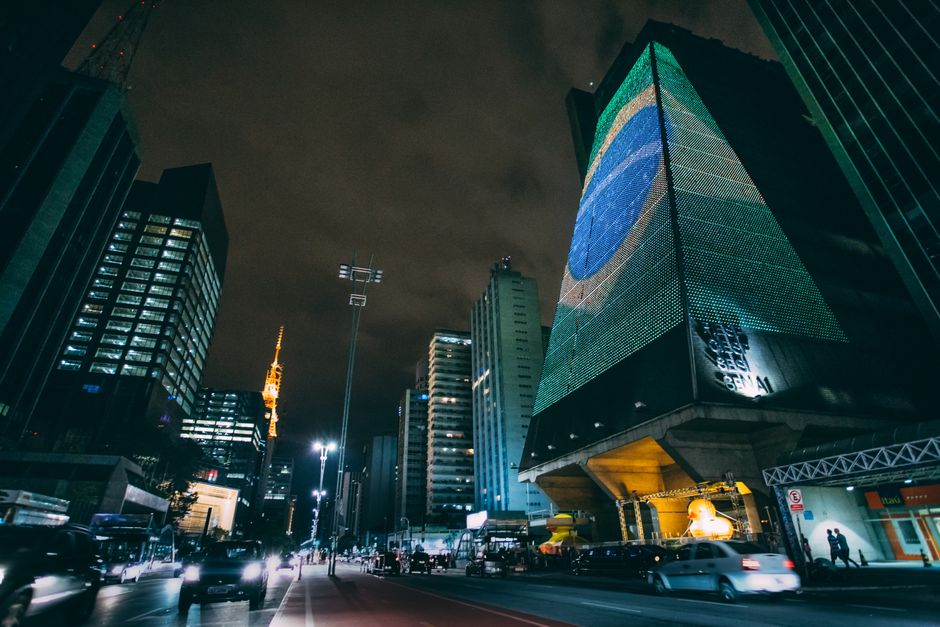
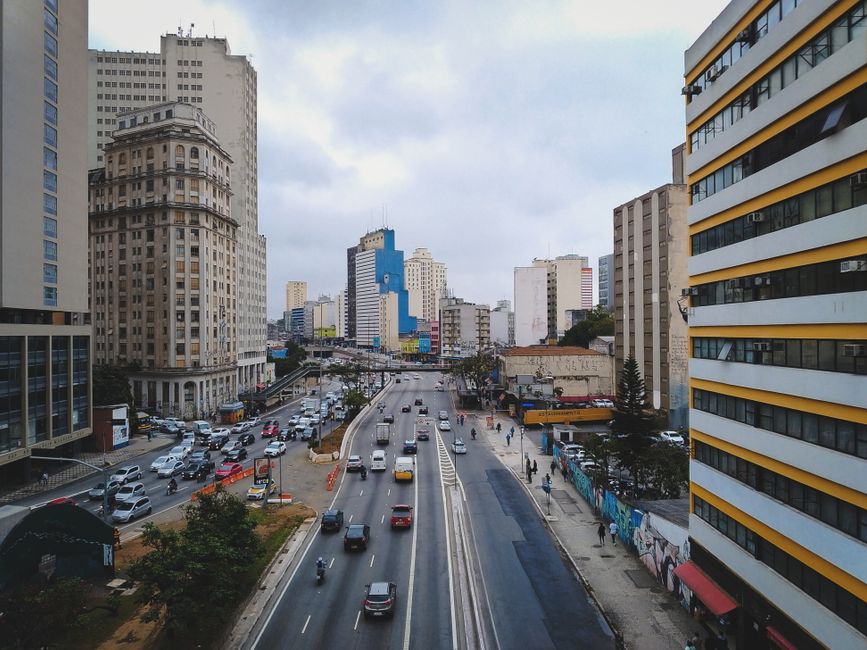
The debate has expanded beyond rail. Mobility consultants are advocating strongly for Bus Rapid Transit (BRT) corridors along major arterials like Avenida Paulista and Avenida Brasil, arguing these can be implemented faster and at a fraction of metro costs. City administrators acknowledge the appeal but point to political resistance from drivers and business owners along affected routes.
Cycling infrastructure has emerged as an unexpected area of consensus. Officials at the Municipal Transport Authority announced plans to expand the ciclovias network by 150 kilometers by 2030, with new protected lanes proposed for the Pinheiros waterfront and connections between Vila Mariana and Zona Leste. Environmental groups and urban planners have endorsed this approach as a low-cost mechanism for reducing congestion in peripheral neighborhoods.
The central tension remains funding. Municipal authorities emphasize that federal and state government support has stalled, while private-public partnership models face scrutiny following cost overruns on toll concessions. Transport economists warn that without decisive investment soon, São Paulo risks falling further behind peer cities in livability metrics and economic competitiveness.
Officials appear committed to presenting a unified strategy within months, though the competing priorities—speed versus cost, metro versus bus rapid transit, central versus peripheral zones—suggest difficult compromises lie ahead.
This article was compiled by AI and screened before publishing. See our editorial standards.