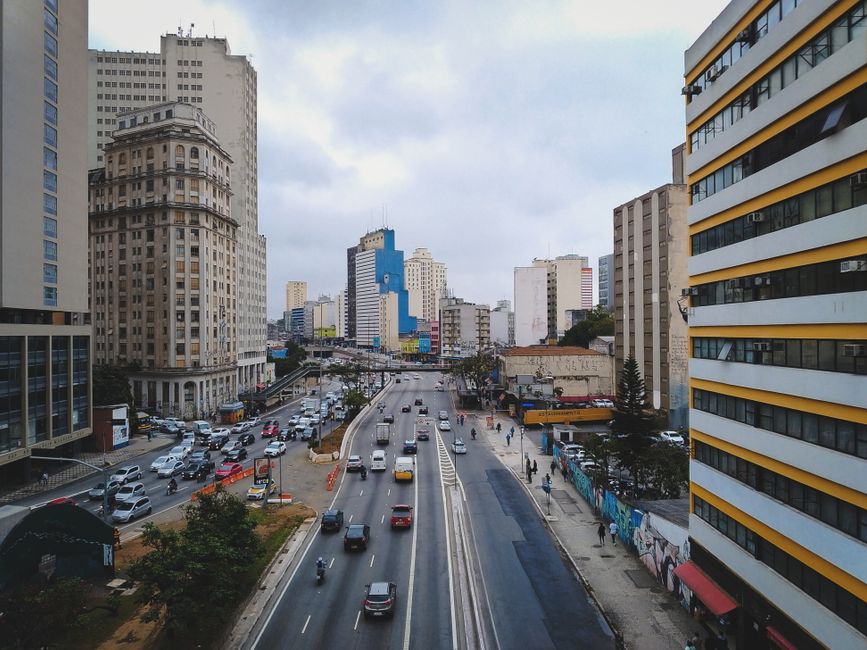
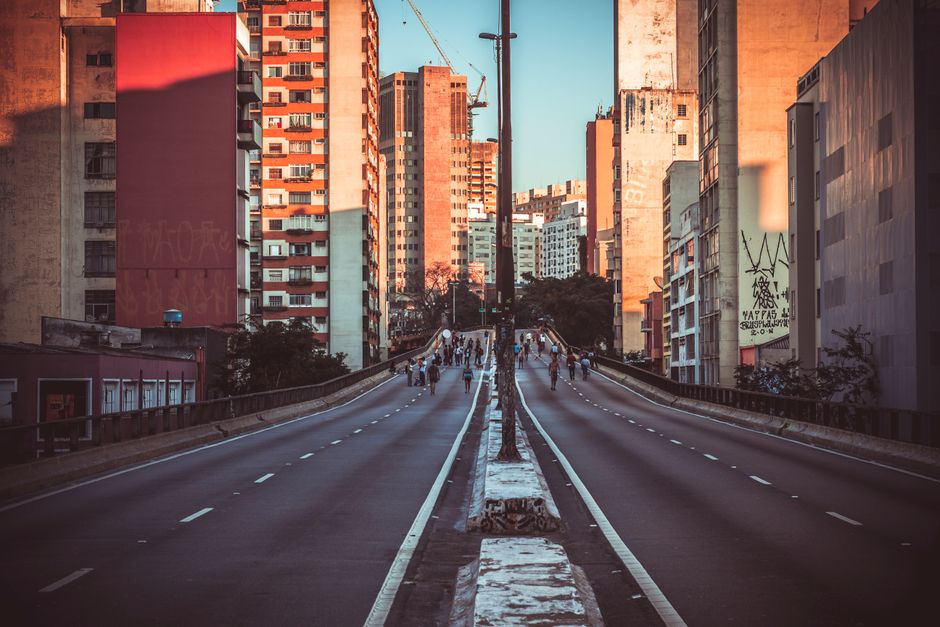
For residents living in Vila Curuçá, Itaquera, and other southeastern neighbourhoods, the morning commute has long been a gruelling ritual. Many spend upwards of two hours daily crossing the city to reach jobs in the financial district or educational institutions like USP. This reality is about to shift—if São Paulo's ambitious metro expansion stays on track.
The state government's commitment to extending Metro Line 6 (Orange) from São Joaquim through the southern zones and completing Line 8 (Diamond) from Itaquera toward Cidade Tiradentes represents the most significant infrastructure investment in São Paulo's public transport network since the early 2000s. The R$18 billion project, partially funded through partnerships with private investors, promises to reduce commute times by an estimated 35 to 40 minutes for affected commuters.
The numbers tell a compelling story. Currently, approximately 2.3 million residents in São Paulo's peripheries rely on bus-only transport, many travelling through congested corridors like the Via Imigrantes and Radial Leste. The Brazilian Institute of Applied Economic Research has documented that transportation costs consume roughly 15 per cent of household income for low-income families in these regions—money that could otherwise support education, healthcare, or local commerce.
But infrastructure projects of this scale carry complex implications. Neighbourhoods anticipating new stations—including those near Avenida Atlântica and around the Vila Prudente region—face immediate pressures. Property values have already begun shifting, raising concerns about displacement among long-established residents. Local business associations in areas like Tatuapé have expressed both optimism about increased foot traffic and anxiety about gentrification.
The social impact extends beyond commute times. Improved metro connectivity directly affects employment prospects, educational access, and healthcare utilisation. A resident in Itaquera currently requiring a medical appointment at Hospital das Clínicas faces a journey of nearly 90 minutes via bus. Direct metro access would cut this dramatically.
Construction timelines remain crucial. The project targets completion of initial phases by 2028, though São Paulo's infrastructure history suggests caution is warranted. Delays would prolong the daily hardships millions already endure.
For a city wrestling with inequality, traffic congestion, and environmental pressures, this expansion represents more than engineering. It's fundamentally about whether São Paulo can build infrastructure that serves everyone—or whether peripheral residents remain disconnected from the city's economic and social core.
This article was compiled by AI and screened before publishing. See our editorial standards.