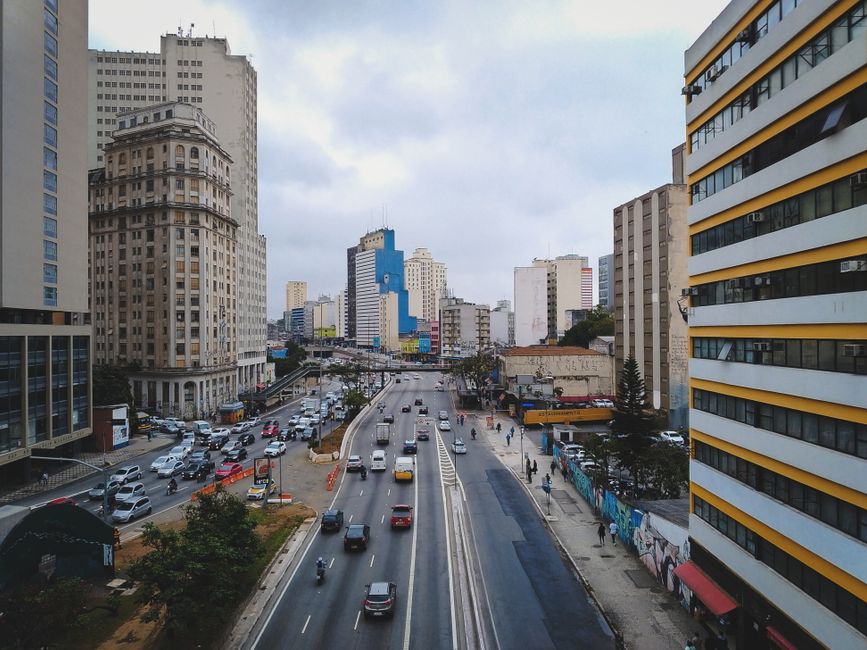
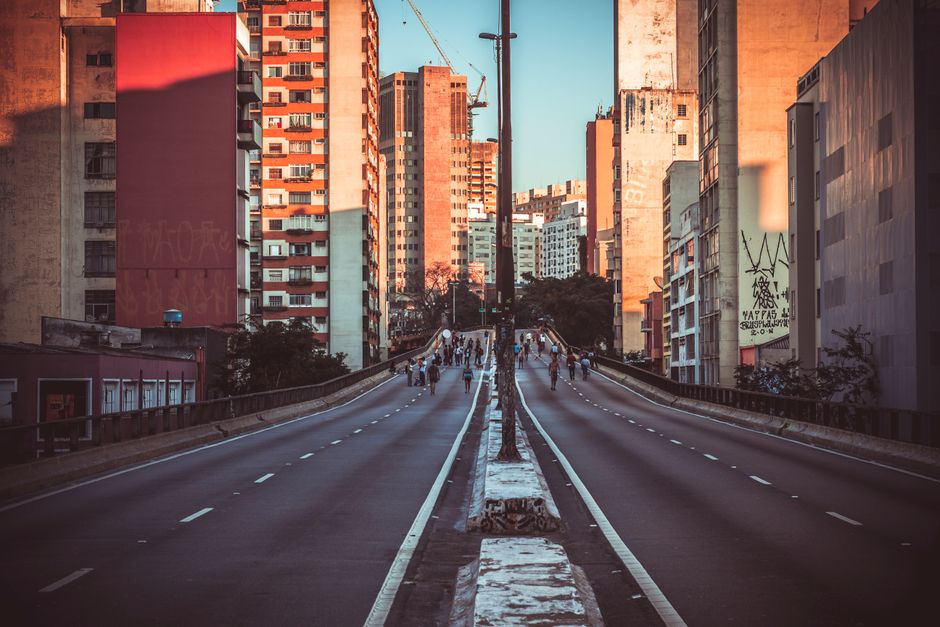
São Paulo's sprawling geography masks a contradiction that defines its housing challenge: the Zona Sul boasts some of the world's most expensive real estate, yet millions in peripheral districts like Grajaú and Parelheiros live in precarious conditions. The question haunting urban planners at the Secretaria Municipal de Habitação isn't new, but the urgency has intensified.
The numbers tell a familiar story for megacities worldwide. Average apartment prices in Jardins and Vila Madalena have surged to R$15,000 per square metre, pricing out middle-income families, while residential vacancy rates in prime areas hover around 8 per cent—capital sitting idle. Meanwhile, the city's peripheral zones house nearly 3 million people in informal settlements, a demographic reality that Mexico City and Manila have struggled to address through similar market-driven approaches.
What distinguishes São Paulo's current policy experiment is its embrace of mixed-income zoning reforms along corridors like Avenida Paulista and near the CPTM network. The prefeitura has quietly incentivised developers to include affordable units in new projects through tax breaks, a model borrowed from Barcelona's approach to gentrification-resistant neighbourhoods, though implementation remains inconsistent.
Tokyo offers a contrasting lesson: that city's housing affordability stems partly from lenient zoning laws and building regulations that São Paulo's bureaucratic layers have not yet replicated. Here, restrictive height codes and preservation ordinances in established neighbourhoods like Pinheiros create artificial scarcity. A family seeking a two-bedroom apartment near Estação Consolação pays premiums that would horrify Tokyo renters with similar amenities.
The municipal government's recent commitment to expand social housing—targeting 50,000 units by 2030—mirrors ambitions seen in Vienna and Berlin, cities that prioritised public housing stock as a market stabiliser. Yet São Paulo's execution faces endemic challenges: land acquisition costs, political resistance from wealthy residents opposed to development near their homes, and a construction industry calibrated for luxury projects.
Where São Paulo diverges most strikingly from global peers is in its handling of existing favelas. Rather than wholesale removal—Seoul's approach decades ago—the prefeitura has shifted toward in-situ upgrading in places like Rocinha and Paraisópolis. This pragmatism reflects demographic realities that displacement cannot solve.
The coming months will test whether São Paulo can synthesise these global lessons into a coherent strategy. Without addressing both the empty penthouses and the expanding periphery simultaneously, the megacity risks deepening into a two-tiered urban reality that even Tokyo's careful regulation could not prevent.
This article was compiled by AI and screened before publishing. See our editorial standards.