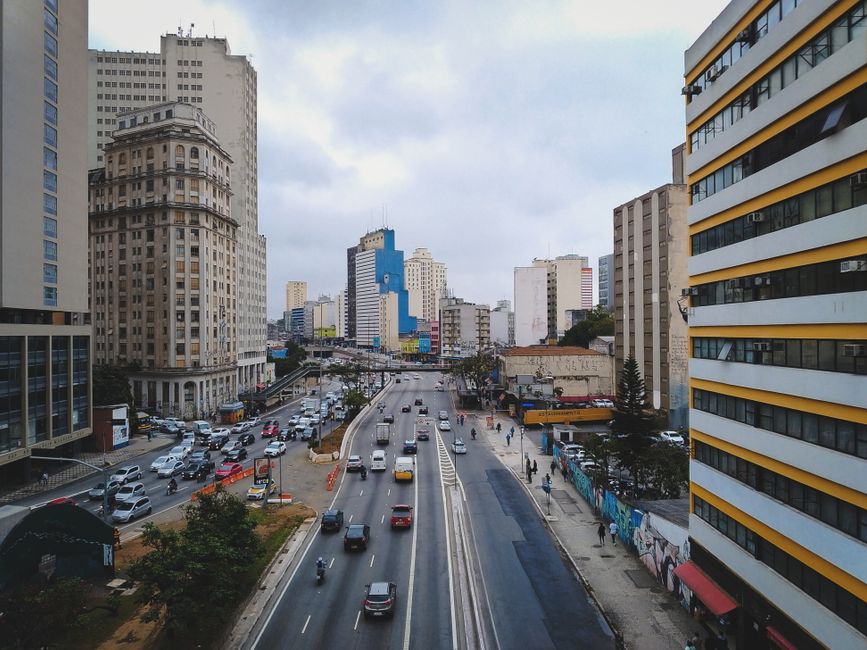
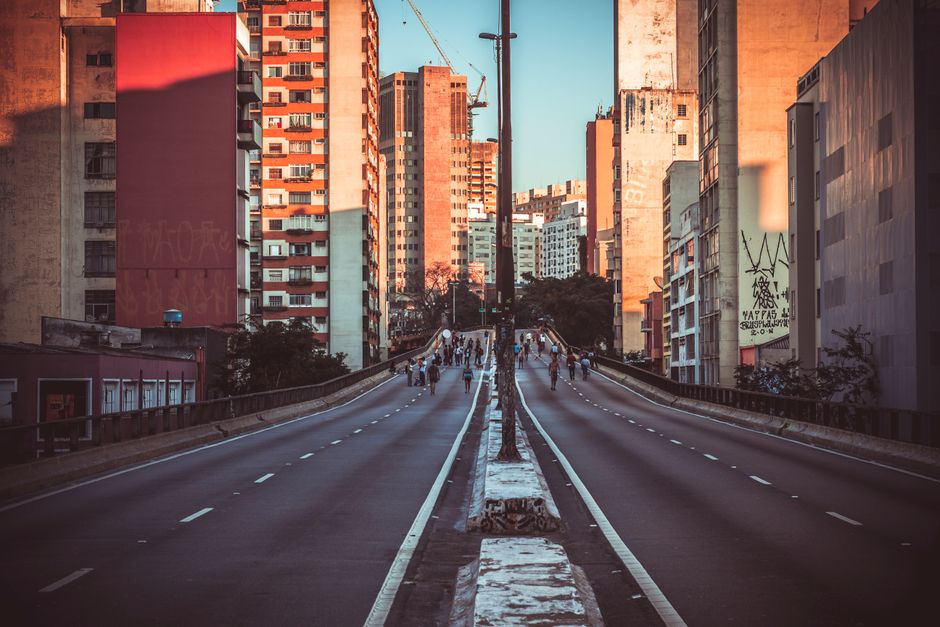
For three years, Maria Helena Santos has watched the street outside her corner shop on Avenida Paulista gradually transform into a construction site. Heavy machinery, lane closures, and the constant rerouting of buses have become the rhythm of life in Vila Mariana—and that's before the real work begins. The Metro Line 6 expansion, now entering its critical excavation phase, promises to reshape transit patterns across São Paulo's wealthy south zone. But in the neighbourhoods bearing the brunt of the work, residents are wrestling with what that promise actually costs.
"The buses take forty minutes to travel three blocks," Santos said, echoing complaints heard from other shopkeepers along the corridor. Local commerce in the area has declined by an estimated 23 percent since major construction began in late 2023, according to data from the Vila Mariana Business Association. The organisation has documented nearly 150 businesses forced to relocate or close operations entirely.
Yet the infrastructure project has genuine supporters. Commuters from Saúde, Jabaquara, and the expanding residential zones further south see the 15.3-kilometre extension as essential. Current bus-dependent commutes from these neighbourhoods to Paulista or Centro routinely exceed 90 minutes. When operational in 2028, Line 6 is projected to serve approximately 450,000 daily passengers within five years.
The São Paulo Metro has deployed a community liaison office on Rua Vergueiro and holds monthly public forums—though attendance has remained sparse. Residents express frustration at what they perceive as limited advance warning of specific disruptions. "They tell us there will be construction," noted João Pereira, a retired professor living on Rua Abílio Soares. "But we learn about street closures from traffic apps, not from official notices."
City authorities have allocated R$2.3 billion for the project and established a compensation fund for affected businesses, though the application process has proved complex and opaque. So far, fewer than 40 percent of eligible proprietors have successfully claimed assistance.
What emerges from conversations across Vila Mariana is not simple opposition but rather frustration at the absence of genuine dialogue. Residents acknowledge the long-term necessity of expanded transit capacity in a sprawling megacity of 12 million people. What they contest is whether their immediate sacrifices have been adequately recognised or mitigated. As excavation intensifies through July and August, that tension will only sharpen.
This article was compiled by AI and screened before publishing. See our editorial standards.