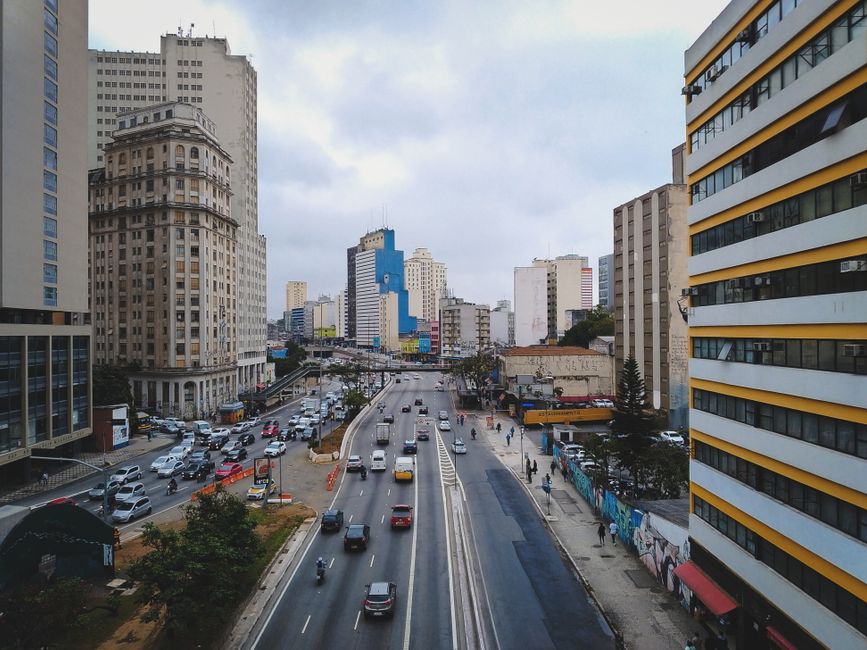
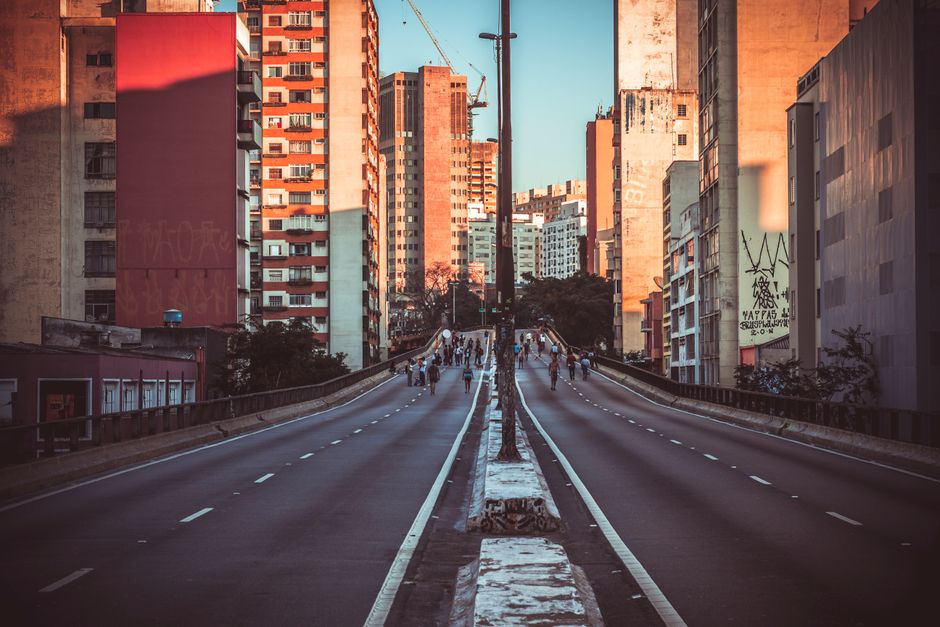
In the shadow of Avenida Paulista's gleaming corporate towers, something quieter but no less transformative is taking root in Vila Mariana. Over the past eighteen months, community-managed gardens have sprouted across unused lots and rooftops, fundamentally altering how nearly 3,000 residents source their vegetables, fruits, and sense of collective purpose.
The expansion began in earnest when the Associação Comunitária Vila Mariana identified a critical problem: families in the densely populated neighbourhood were spending upwards of 35% of their monthly income on fresh produce, compared to the national average of 18%. With average monthly household incomes hovering around R$2,400 in the area, the mathematics left little room for nutritious eating.
Today, seven operational gardens—concentrated between Rua Vergueiro and Rua Abílio Soares—collectively produce over 800 kilograms of vegetables monthly. The initiatives employ crop-sharing models where residents contribute four hours of work weekly in exchange for weekly harvest baskets worth approximately R$65. For families stretched thin, this represents genuine economic relief.
Beyond the spreadsheet calculations, residents report something harder to quantify but equally vital: neighbourhood cohesion. Workers from the adjacent favela community, pensioners from the Vila's aging population, and young professionals from newly renovated apartments now share soil under their fingernails. Traditional hierarchies blur when someone is teaching another person to cultivate basil.
Local government recognition has bolstered these efforts. The Subprefeitura of Vila Mariana allocated R$120,000 in municipal funding this year specifically for garden infrastructure—irrigation systems, composting facilities, and tools. This institutional backing signals that what began as grassroots necessity is becoming recognized urban policy.
Social workers note secondary benefits cascading through the neighbourhood. School absenteeism among children whose families participate has dropped 12%. Mental health services report garden participants cite reduced anxiety and depression. One local health clinic began prescribing garden participation alongside conventional treatment.
Yet challenges persist. Land tenure remains precarious for several gardens operating on temporary municipal agreements. Climate volatility threatens seasonal yields. Some residents worry gardens might eventually attract real estate speculation, fundamentally altering the neighbourhood's character.
As São Paulo grapples with inequality amid rapid urbanization, Vila Mariana's gardens offer a modest but meaningful counter-narrative: communities can reshape their immediate circumstances through collective action, even when larger economic forces press relentlessly against them. For residents tending these plots, that possibility feels increasingly real.
This article was compiled by AI and screened before publishing. See our editorial standards.