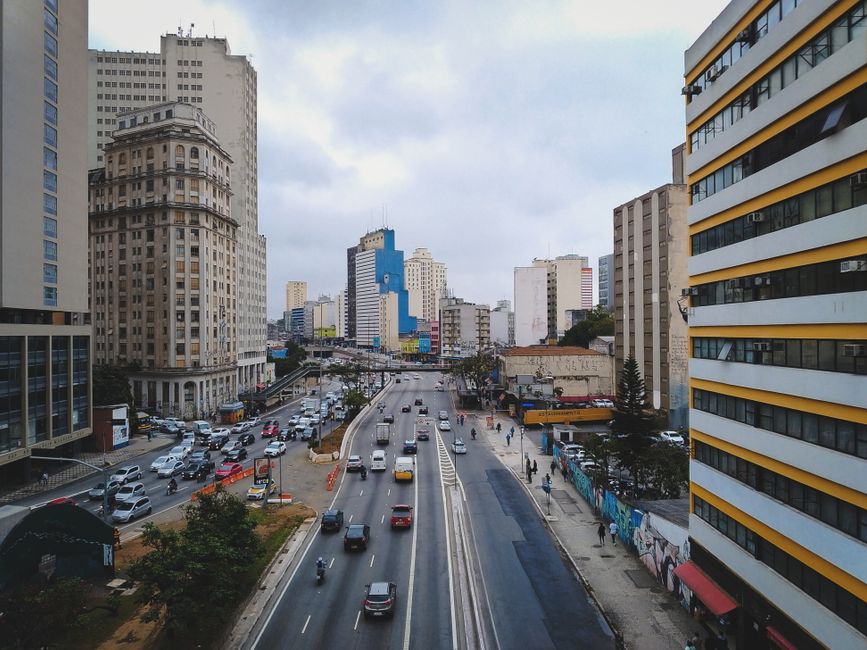
São Paulo stands at a decisive moment. The city's transport network, which moves more than 7 million commuters daily across the metropolitan region, faces mounting pressure from both aging infrastructure and soaring population density. As municipal and state authorities prepare budgets for the next fiscal cycle, three major infrastructure battlegrounds will determine whether the city can ease chronic congestion or spiral deeper into gridlock.
The most immediate question concerns Line 6 of the Metro system, the east-west corridor that has languished in partial completion for over a decade. Stretching from São Joaquim in the south to Brasilândia in the north, the line promises to connect underserved periphery neighborhoods while potentially reducing pressure on the already-overburdened Lines 1 and 3. Yet full completion requires approximately R$13 billion—money the state government insists it doesn't have, even as federal funding discussions stall. The decision point arrives within months: does the government commit to accelerated completion, or does it formally scale back the project to a truncated version serving fewer stations?
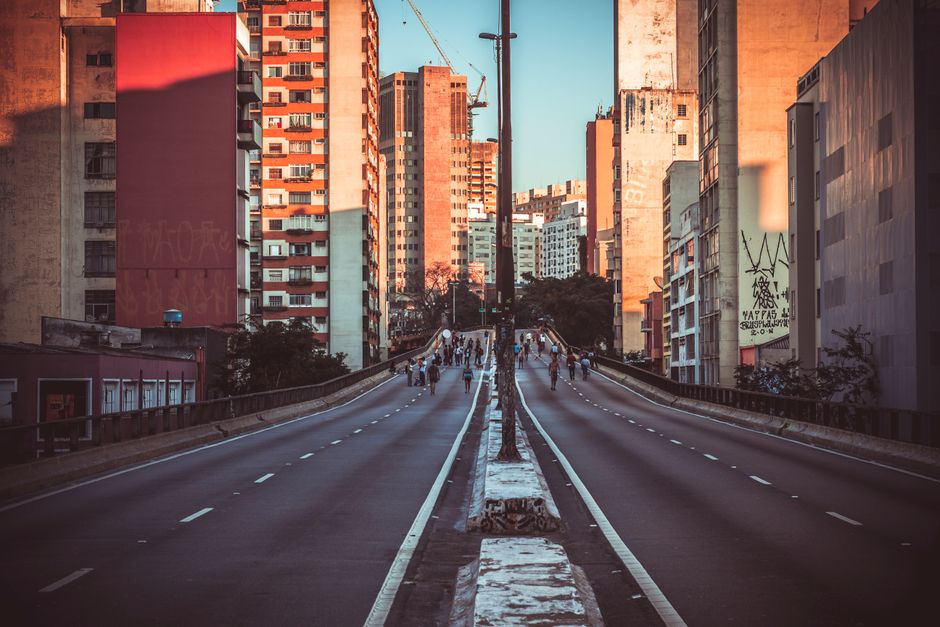
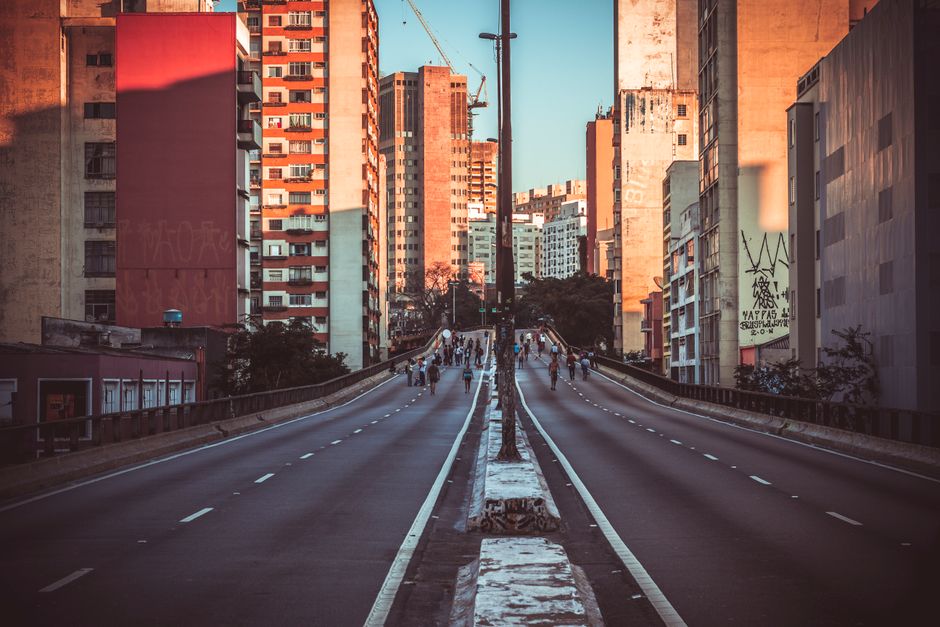
Equally contentious is the fate of the elevated highways crisscrossing the city's core. The Elevated Costa e Silva—commonly called the Minhocão—has become a symbol of two competing visions for urban renewal. City authorities have proposed removing the structure entirely and converting the corridor into green space and surface-level transit, a transformation that would require relocating hundreds of thousands of daily drivers. The state government has countered with renovation proposals that would preserve the highway. This dispute isn't merely technical; it touches on fundamental choices about whether São Paulo prioritizes carbon reduction or vehicle throughput in its densest neighborhoods.
A third decision point concerns the expansion of bus rapid transit (BRT) corridors beyond the existing Jaçanã-Penha and Consolação routes. These dedicated lanes have reduced travel times significantly in their corridors, yet their expansion threatens disruption to both vehicle traffic and local commerce along avenues like Paulista and Brigadeiro Faria Lima. Municipal audits suggest that three additional major corridors could be implemented by 2028, but only if implemented sequentially rather than simultaneously—a choice that determines which neighborhoods benefit first.
Each decision involves tradeoffs that no technical analysis can fully resolve. The Metro expansion question pits equity (serving peripheral neighborhoods) against financial capacity. The highway removals pit environmental goals against mobility for millions of commuters. The BRT expansion pits transit efficiency against the disruption costs borne by businesses and drivers.
Over the coming six months, as the state legislature debates the infrastructure budget and municipal authorities release their master plans, these choices will crystallize. São Paulo's future congestion patterns—and livability—will be largely determined by decisions made in closed-door discussions happening right now.
This article was compiled by AI and screened before publishing. See our editorial standards.