São Paulo Metro Expansion: 3 Critical Decisions Ahead
São Paulo faces crucial choices on Line 6 Pink Line metro, modernizing aging transit, and integrating bus rapid transit. Here's what's at stake for 21 million residents.
São Paulo faces crucial choices on Line 6 Pink Line metro, modernizing aging transit, and integrating bus rapid transit. Here's what's at stake for 21 million residents.
Listen to this article · 4:01
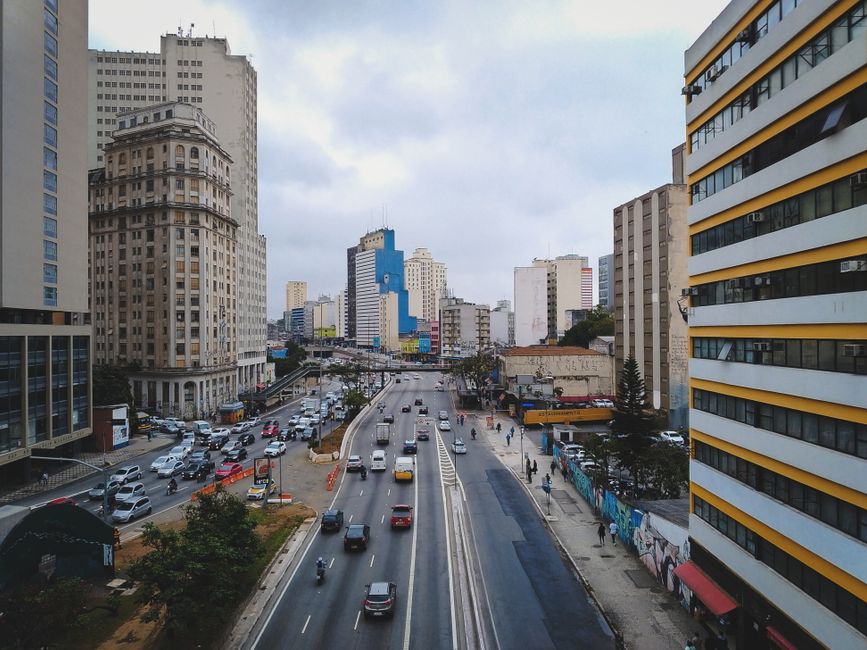
São Paulo stands at an inflection point. The metropolitan region's transport infrastructure—stretched across 21 million people and a sprawl that reaches from the Pinheiros River to distant suburbs—faces three interconnected decisions that will determine how residents move for the next ten years.
The most immediate question concerns Line 6 of the metro. The Pink Line, originally planned to connect the Zona Leste's dense residential corridors to the Pinheiros station, has stalled at R$8.5 billion in estimated costs. City officials must now decide: complete the entire 15.3-kilometre route as designed, scale back to Phase 1's reduced footprint, or redirect those resources toward bus rapid transit (BRT) corridors that could serve similar populations at one-third the cost. Each option carries distinct political consequences in neighbourhoods like Itaquera and São Mateus, where commute times exceed two hours daily.
The second challenge involves the aging CPTM commuter rail network. Built largely in the 1970s and 1980s, the system that carries 2.2 million passengers daily operates at 78 per cent capacity during peak hours. Modernisation would require signalling upgrades, new rolling stock, and electrification of remaining diesel lines—estimated at R$15 billion over five years. Without this investment, the network risks becoming a bottleneck that undermines any metro expansion gains.
Third is the integration question. São Paulo's transit operators remain fragmented: the Metro company, CPTM, municipal bus operators, and private concessionaires each run their systems with minimal coordination. A unified payment system and integrated scheduling exist on paper but fail in practice. The São Paulo Transit Authority (SPTrans) has drafted a consolidation plan that would require legislative approval and likely significant tariff restructuring. Implementation would ease transfers across modes but threatens the financial models of private operators.
Budget realities sharpen these choices. The state's fiscal constraints mean choosing between projects, not accommodating all of them. Climate commitments—São Paulo has pledged to cut transport emissions 40 per cent by 2030—add urgency. Every real spent on car infrastructure becomes a real unavailable for transit.
The forthcoming 2028 mayoral election will likely delay major decisions through 2027. However, the metropolitan planning body (EMPLASA) is finalising a transport master plan due for presentation by September. This document will essentially pre-determine which path the city takes. Stakeholders—from businesses in the Centro demanding faster commutes to residents in outlying districts fighting for service expansion—are lobbying intensely. The next four months will prove decisive in shaping São Paulo's traffic, emissions, and inequality for years to come.
This article was compiled by AI and screened before publishing. See our editorial standards.
How does this story make you feel?
Spread the word
About this article
Published by The Daily São Paulo
Daily brief
Free, in your inbox before 7am. Weekdays.
More in News