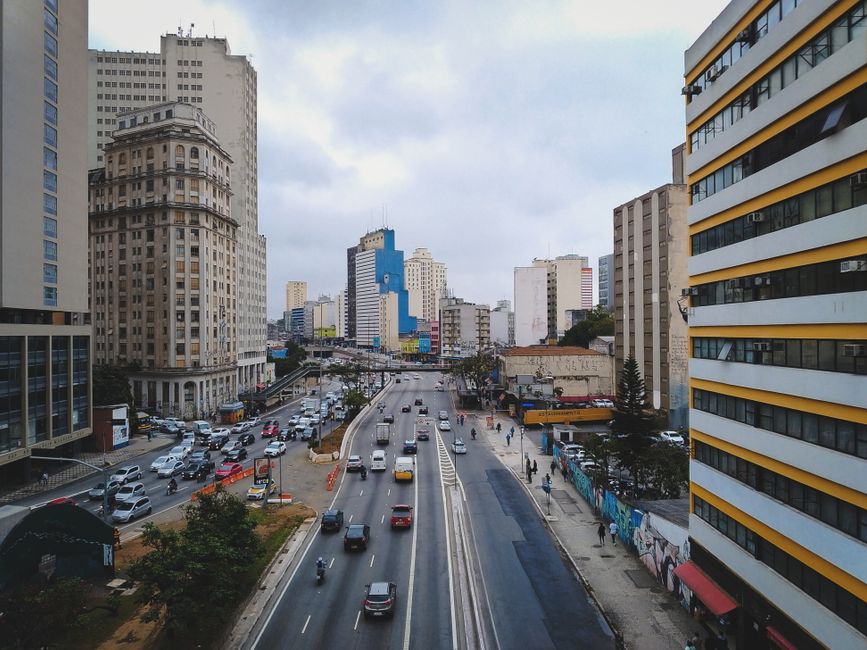
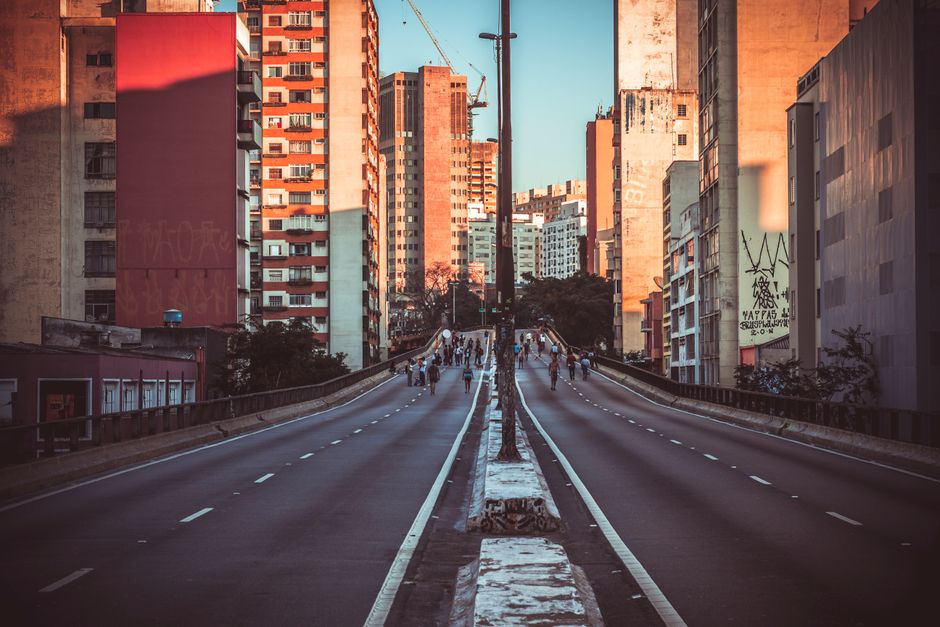
São Paulo's infrastructure sector entered a new phase this week as the Metropolitan Transportation Company (CMTC) announced revised timelines for several major initiatives, signalling both progress and the persistent challenges facing Latin America's most populous metropolitan area.
The most significant development came Tuesday when authorities confirmed that Metro Line 6—the long-anticipated light rail project designed to connect the westbound suburbs through Água Branca, Pompéia, and into the Zona Oeste—will begin operations in phases starting late 2027, rather than the originally projected 2026 completion. The 15.3-kilometre corridor, which will eventually integrate with the existing network at Brasilândia station, represents a €1.8 billion investment aimed at reducing journey times for an estimated 300,000 daily commuters currently reliant on surface transport.
However, the week also delivered concrete wins for commuters. The São Paulo municipal government inaugurated upgraded bus rapid transit (BRT) infrastructure along Avenida Aricanduva on Wednesday, expanding the segregated corridor system that has proven effective in reducing travel times by up to 40 per cent compared to conventional routes. The Aricanduva extension now serves neighbourhoods including Vila Carrão and Parque da Esperança, historically underserved by rapid transit infrastructure.
The Aricanduva project represents part of the city's broader commitment to bus system modernisation, following significant investment patterns established over the past five years. With metro expansion constrained by budgetary and geological factors—Line 6 alone required extensive geotechnical surveys given soil composition in the Zona Oeste—authorities have increasingly prioritized surface-level rapid transit as a complementary strategy.
Perhaps most notably, Thursday's announcement from the State Secretary of Logistics outlined tender processes for three additional BRT corridors extending into the peripheral districts of Itaquera, São Miguel Paulista, and Guaianases. These investments directly address transport inequality, as residents in these regions currently face commute times averaging 90 minutes to central business districts.
Infrastructure observers note that São Paulo's dual-track approach—simultaneously advancing expensive metro expansion while accelerating more cost-effective bus infrastructure—reflects pragmatic resource allocation. At current spending rates of approximately R$2.4 billion annually across all transport projects, the city faces inevitable trade-offs between comprehensive system integration and incremental service improvement.
The week's developments underscore persistent tensions between ambition and execution that have long characterised São Paulo's infrastructure narrative. While Line 6's delay frustrates stakeholders expecting faster metropolitan integration, the accelerating BRT rollout offers immediate relief to millions of daily commuters navigating the city's congested networks.
This article was compiled by AI and screened before publishing. See our editorial standards.