São Paulo's chronic housing shortage has ignited fierce disagreement among city administrators, university researchers, and real estate specialists about how to tackle one of Brazil's most pressing urban challenges.
The debate intensified this week following reports that average monthly rents in Pinheiros and Vila Madalena now exceed R$4,000 for modest two-bedroom apartments—a 23 percent increase over two years. Meanwhile, informal settlements in the periphery continue expanding, with favelas around the Tamanduateí River basin growing faster than municipal services can accommodate.
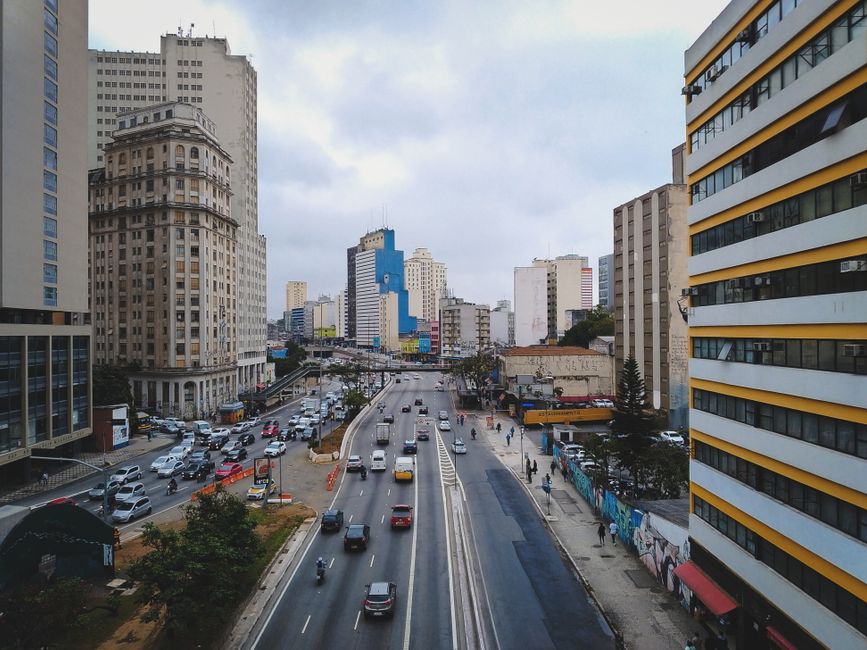
Officials at the São Paulo City Hall's secretariat for housing and urban development have publicly endorsed a proposal to ease restrictions on vertical construction in mixed-use zones along major corridors like Avenida Paulista and Avenida Brasil. The reasoning: unlocking supply through density could theoretically lower prices. However, this position faces resistance from preservation advocates and neighbourhood associations concerned about infrastructure strain.
Meanwhile, researchers at the University of São Paulo's Faculty of Architecture and Urbanism have circulated an alternative framework emphasizing conversion of underutilized commercial properties in the Centro district into residential units, alongside stronger rent-control measures for existing stock. Their preliminary analysis suggests that 15,000 vacant or semi-vacant office buildings could be repurposed within five years.
The divide reflects broader international tensions in housing policy. Some experts point to failed deregulation experiments elsewhere, while others argue that São Paulo's restrictive zoning actually perpetuates inequality by keeping housing artificially scarce for middle and lower-income residents.
Real estate sector representatives counter that stricter regulations would only worsen the crisis by discouraging investment. They've called for tax incentives for developers building units priced below market rate, particularly in peripheral regions like Itaquaquecetuba and Guarulhos.
City councillors have scheduled a series of public hearings at the Legislative Assembly throughout July, where residents, architects, and housing advocates will present competing visions. The next major gathering occurs July 15 at Sesc Pompéia.
The tension underscores a fundamental question: whether São Paulo treats housing primarily as a commodity market or as essential infrastructure requiring direct municipal intervention. Until officials and experts reach consensus—or at least productive compromise—the city's most vulnerable residents will continue paying unsustainable portions of income for shelter, or finding none at all.
This article was compiled by AI and screened before publishing. See our editorial standards.