São Paulo Transforms Water Crisis Into Major Sustainability Innovation Movement
Decades of urban sprawl, water scarcity, and air pollution transformed the city into a laboratory for green innovation—and a cautionary tale about waiting too long.
Decades of urban sprawl, water scarcity, and air pollution transformed the city into a laboratory for green innovation—and a cautionary tale about waiting too long.
Listen to this article · 3:42
São Paulo's environmental awakening did not arrive as epiphany. It arrived as necessity, born from a cascade of crises that forced the megalopolis of 12 million people to confront the consequences of unchecked growth.
The turning point came during the drought cycles of the 2010s, when the Cantareira System—which supplies nearly half the city's water—dropped to alarming levels. Residents watched reservoirs shrink across the Serra da Cantareira, north of the city, while rationing became routine in neighbourhoods from Vila Madalena to Itaquaquecetuba. Water prices, already climbing from an average of R$4.50 per cubic metre in 2010, surged as scarcity deepened anxiety across middle-class and working-class households alike.
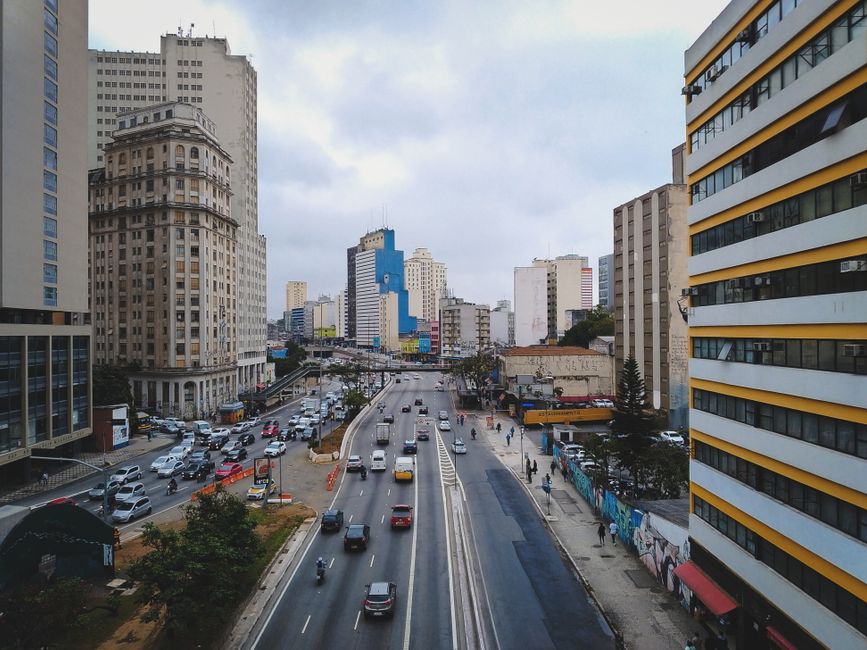
That crisis exposed what urban planners had long warned: São Paulo's infrastructure was built for a different era. The city's expansion into the Atlantic Forest and surrounding wetlands had destroyed natural water retention systems. Air pollution—once so severe that visibility from the Pátio do Colégio downtown measured barely a kilometre on the worst days—became a public health emergency that hospitals in the Zona Norte could no longer ignore quietly.
The environmental movement that emerged was not unified or sudden. Community groups in neighbourhoods like Grajaú and Parelheiros began organizing around water access and forest preservation. Universities including USP and Pontifícia Universidade Católica launched research initiatives into circular economy models. City Hall, responding to pressure and electoral calculations, began allocating resources differently.
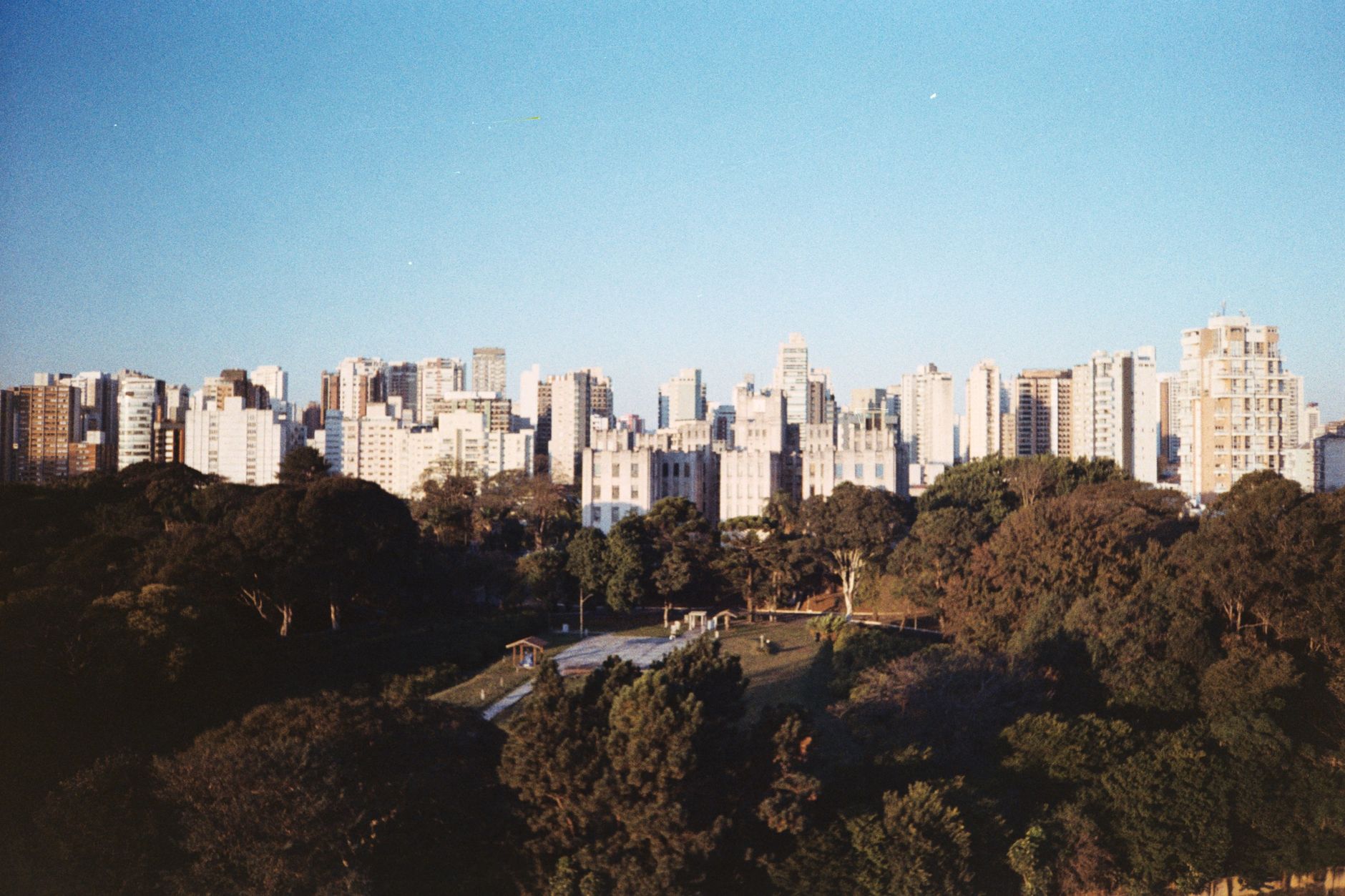
By the early 2020s, São Paulo had become a testing ground. The Pinheiros River cleanup project—once derided as impossible—gained momentum. Green roofs began appearing on buildings in Pinheiros and Vila Mariana. The city's expanded ciclovias network, though still inadequate, reflected a slow shift in transportation priorities. Companies in the financial district around Avenida Paulista began competing on sustainability credentials rather than treating environmental compliance as mere regulatory burden.
Today's sustainability initiatives did not emerge from environmental idealism alone. They emerged from the grinding realization that a city cannot sustain 12 million people without fundamentally rethinking how water flows through it, how air moves above it, and how green space integrates into its fabric.
The journey from crisis to action has been messy, incomplete, and often driven by self-interest as much as principle. But it has created the conditions for real change—not because São Paulo chose sustainability early, but because the city finally ran out of the luxury of delay.
This article was compiled by AI and screened before publishing. See our editorial standards.
How does this story make you feel?
Spread the word
About this article
Published by The Daily São Paulo
Daily brief
Free, in your inbox before 7am. Weekdays.
More in News