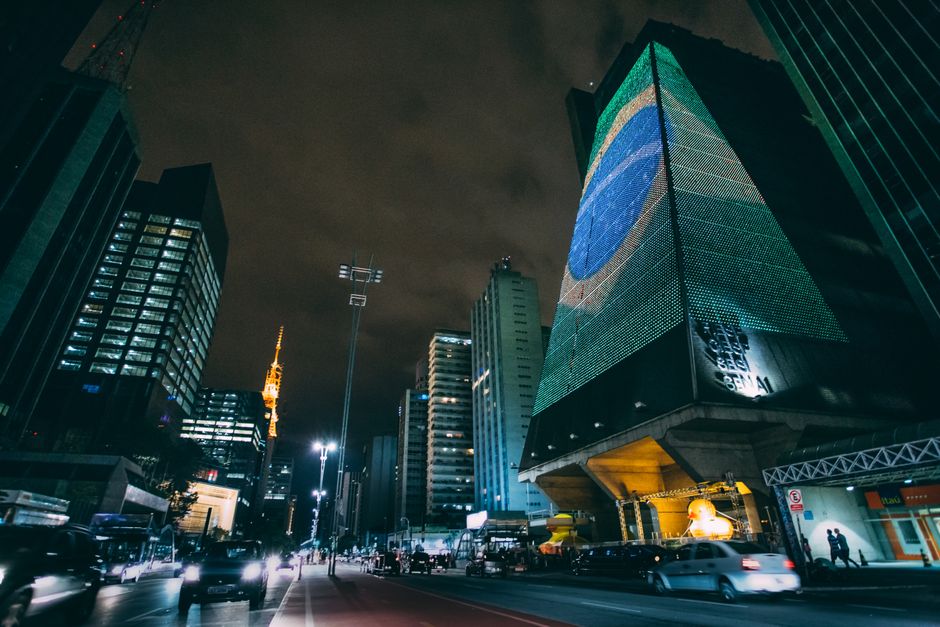
Moving to São Paulo? Here's What City Officials and Housing Experts Want You to Know
As the metropolis grapples with housing demand and infrastructure strain, key figures outline the realities newcomers should expect.
As the metropolis grapples with housing demand and infrastructure strain, key figures outline the realities newcomers should expect.
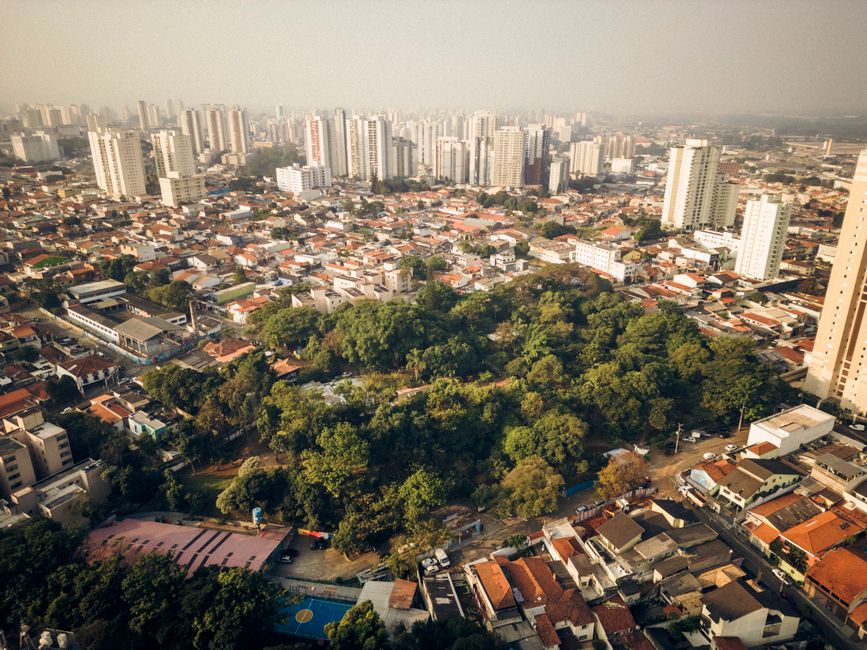
São Paulo's population continues to swell, with the metropolitan region now home to over 22 million residents. For those considering a move to Brazil's economic powerhouse, city officials and urban planners are increasingly vocal about what the experience actually entails—and where newcomers should focus their attention.
The São Paulo City Hall's recent housing initiatives have highlighted persistent affordability challenges. Real estate data shows average rental prices in consolidated neighbourhoods like Vila Madalena and Pinheiros now hover around R$3,500–R$5,000 monthly for a one-bedroom apartment, while emerging areas such as Mooca and Tatuapé offer relative value at R$2,200–R$3,000. Urban development specialists emphasize that location decisions should account for commute times on the city's expanding Metro system, which now reaches further south and east than ever before.
The São Paulo Chamber of Commerce has released guidance noting that transportation costs represent a significant ongoing expense for newcomers. A monthly Metro pass costs approximately R$150, though many professionals find themselves relying on ride-sharing services during peak hours, adding substantially to monthly budgets. Officials stress the importance of proximity to employment hubs—the Faria Lima corridor in Pinheiros remains the financial district's epicenter, while tech startups cluster increasingly around Berrini Avenue and the emerging Hub Paulista complex.
Public health administrators underscore vaccination requirements and private health insurance considerations. While Brazil's public system (SUS) is available, most expatriates and higher-income residents opt for supplementary private plans costing R$400–R$800 monthly. The Centro region, despite gentrification efforts around Rua Augusta, remains affordable but requires careful neighbourhood selection, according to urban safety consultants.
Cultural integration specialists highlight the city's dense neighbourhood character—each district from Vila Madalena's bohemian scene to Higienópolis's residential quiet offers distinct communities. The Secretariat of Culture recommends exploring local associations, markets like Mercadão (Central Market on Cantareira Street), and entertainment venues in Consolação and Vila Mariana to establish social footing quickly.
The municipal administration's recent climate resilience reports also warn newcomers about seasonal flooding in lower-lying neighbourhoods during summer months (December–February). Professionals advise researching neighbourhood flood history through the Civil Protection department's public data before signing leases.
For most arrivals, city officials emphasize patience during the first months. São Paulo's bureaucratic requirements for registration, tax purposes, and services demand navigation of multiple government offices—a process the Chamber of Commerce estimates at 4–6 weeks for basic documentation. Planning ahead and understanding these realities, authorities suggest, transforms the transition from overwhelming to manageable.
This article was compiled by AI from the sources linked above and screened before publishing. See our editorial standards.
How does this story make you feel?
Spread the word
About this article
Published by The Daily São Paulo
Daily brief
Free, in your inbox before 7am. Weekdays.
More in News