São Paulo's public education system is quietly becoming a case study for how major metropolitan areas can modernize learning infrastructure without abandoning equity—a challenge that continues to plague peers in London, Mumbai, and Mexico City.
The shift accelerated following Brazil's return to full in-person classes in 2023, but São Paulo's Secretaria Municipal de Educação went further. Starting this year, 340 municipal schools across districts like Pinheiros, Zona Leste, and Santo Amaro have integrated AI-assisted personalized learning platforms alongside traditional classroom instruction. The rollout costs approximately R$12,000 per school annually—substantially less than comparable initiatives in Toronto or Barcelona.
"We're not replacing teachers; we're augmenting their capacity," explains the philosophy underpinning programs now being studied by education officials from São Paulo's sister cities. The system flags students at risk of falling behind in mathematics or literacy within weeks, rather than months, allowing intervention before gaps widen.
The contrast with other global hubs is stark. London's school systems continue grappling with teacher shortages that limit technology adoption, while several Mexican cities lack the municipal funding to implement similar programs. São Paulo's approach—combining municipal investment with partnerships involving institutions like USP's Faculdade de Educação in the Butantã neighbourhood—has created a replicable model.
Attendance metrics tell part of the story. Municipal schools in São Paulo recorded 93% average attendance through the first half of 2026, compared to 87% in comparable districts across Rio de Janeiro. Student performance on standardized assessments in Portuguese and mathematics improved by an average of 8% year-over-year.
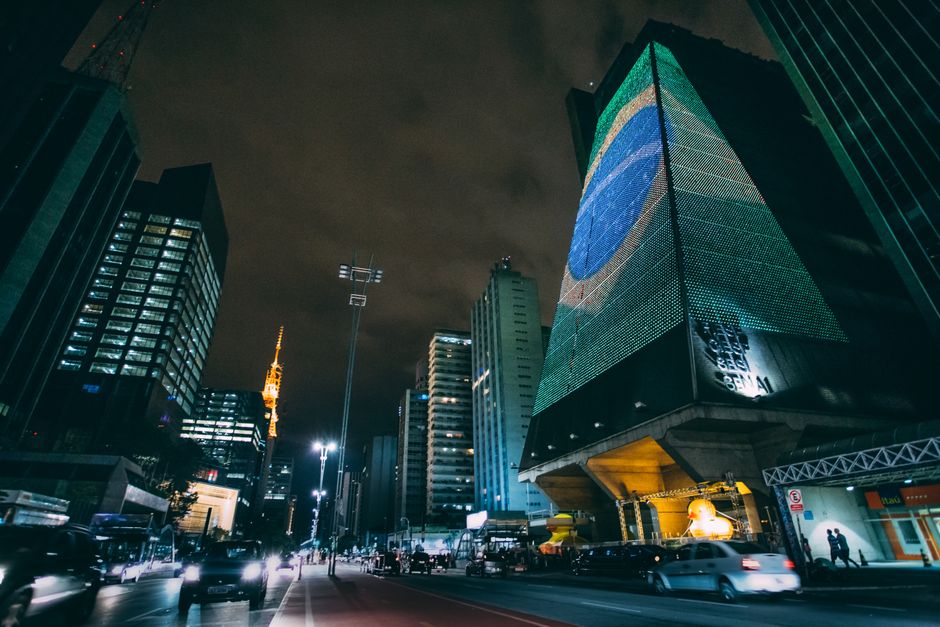
Yet challenges remain endemic to the city's geography and inequality. Private school enrollment near Avenida Paulista continues climbing—now representing 28% of São Paulo's student population—as middle-class families seek alternatives. Meanwhile, schools in peripheral regions like Itaquera and Capão Redondo report technology adoption rates roughly 30% lower than affluent zones.
University-level initiatives are also shifting. USP and other research institutions have expanded evening and weekend programs specifically designed for working-class students, acknowledging demographic realities that peers in developed nations are only beginning to address.
International delegations from education ministries in Portugal, Colombia, and Vietnam have visited São Paulo schools this year. While the model isn't perfect, and resource constraints persist, São Paulo's pragmatic blend of innovation and accessibility is proving that major cities in the Global South can lead—not follow—in educational transformation.
This article was compiled by AI from the sources linked above and screened before publishing. See our editorial standards.