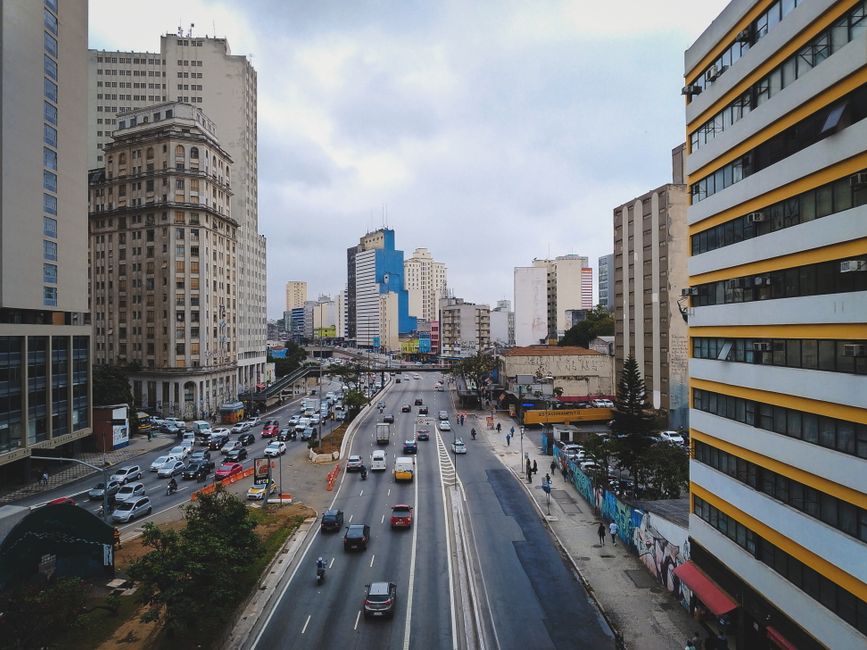
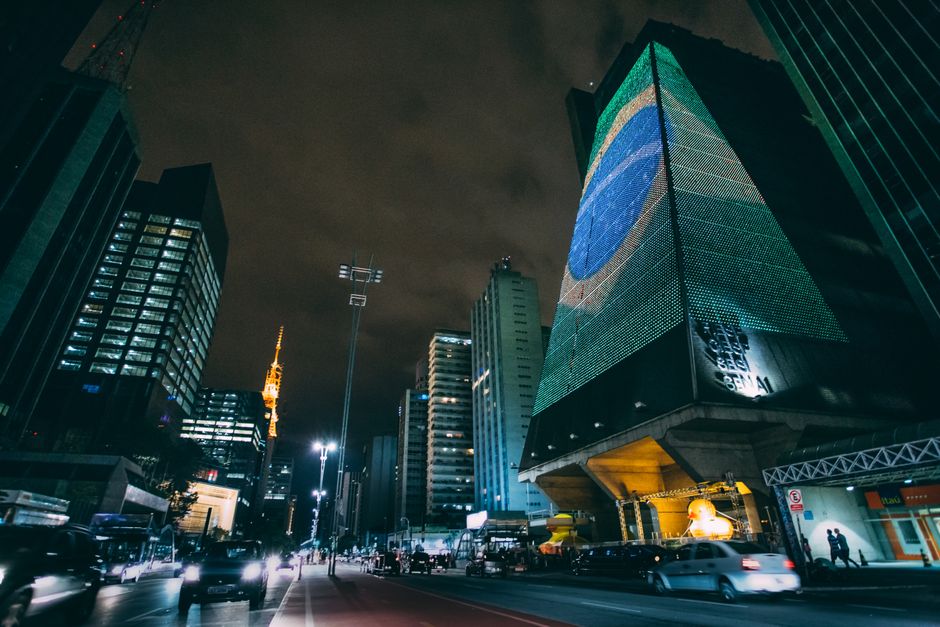
On a Tuesday evening in Vila Mariana, a cardiac arrest call took 18 minutes for an ambulance to arrive. By then, the patient was already gone. Across town in Itaquera, a robbery victim waited 25 minutes for police dispatch in a neighbourhood where crime statistics have climbed 14% year-on-year. These aren't isolated incidents—they're snapshots of a growing crisis in São Paulo's emergency response infrastructure that's reshaping how residents view public safety.
The Corpo de Bombeiros and SAMU coordinators have sounded alarms repeatedly: the city's emergency network is stretched beyond capacity. With a metropolitan population exceeding 22 million and funding that hasn't kept pace with growth, response times in outer neighbourhoods like Capão Redondo, Brasilândia, and Ermelino Matarazzo now average 22 minutes—nearly double the 12-minute benchmark for cardiac cases where every minute determines survival rates.
For shop owners along Rua 25 de Março in the Centro, where petty theft and organised crime have intensified, the delays mean business interruption and insurance claims climbing faster than stock prices. A convenience store robbery on June 15th saw police arrive 40 minutes after the call, well after perpetrators had vanished. "We're paying higher premiums and getting slower response," says one business association representative. "The math doesn't work."
The community impact extends beyond response time statistics. Schools in peripheral areas report increased anxiety among students after a gang-related incident near an institution in São Miguel Paulista went largely unresponded-to for critical minutes. Parents are shifting school choices based on proximity to police districts and fire stations—a quiet but consequential demographic shift that's reshaping neighbourhood composition and property values.
Meanwhile, private security companies have capitalised on the gap. Residents with means are investing in personal alarm systems and neighbourhood watch programs, creating a two-tier safety system where affluent enclaves in Pinheiros and Mooca receive rapid private response while lower-income areas depend on chronically delayed public services.
City councillors are now facing mounting pressure. A recent petition demanding emergency service expansion garnered 47,000 signatures in two weeks. The question facing São Paulo isn't whether the system needs reform—it's whether the city will act before the next preventable tragedy reshapes public opinion entirely. With municipal elections approaching, this issue has moved from administrative complaint to political flashpoint.
This article was compiled by AI from the sources linked above and screened before publishing. See our editorial standards.