São Paulo's transport infrastructure—the nervous system of a sprawling megacity—is undergoing its most substantial renovation in two decades, according to newly released statistics from the Municipality and the State Department of Transport. The numbers tell a story of ambition tempered by the realities of managing one of South America's most congested urban areas.
The Metro expansion programme, currently the city's flagship transport initiative, has allocated R$47.2 billion across five major line extensions through 2030. Line 6 (Orange), which will connect Brasilândia in the north to Pedreira in the south, accounts for R$15.8 billion of this investment—making it the most expensive single project. According to Metro's latest quarterly report, the line is 34% complete as of June 2026, with projections suggesting completion in 2029, though historical delays suggest caution is warranted.
The Bus Rapid Transit (BRT) network tells a different efficiency story. Corredor ABD, stretching from Grajaú to downtown via the Avenida Brasil corridor, has reduced average commute times from 58 minutes to 41 minutes since its 2023 opening—a 29% improvement measured across 247,000 daily users. Yet system-wide, only 8.3% of São Paulo's 28,000 kilometres of roads currently feature dedicated bus lanes, according to the Transport Analysis Institute.
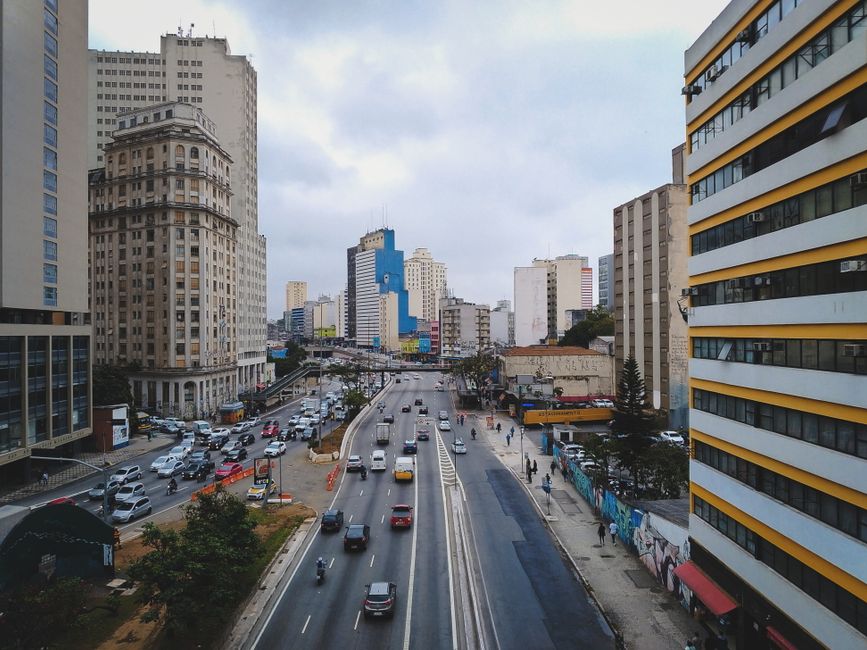
Congestion data reveals persistent pressure points. During peak hours, the Marginal Pinheiros and Marginal Tietê highways operate at 95% capacity, with average speeds dropping to 12 kilometres per hour—barely faster than a pedestrian's walking pace. The latest city survey indicates Paulistas spend an average of 2 hours and 18 minutes daily in transit, costing the municipal economy an estimated R$387 billion annually in lost productivity.
Investment disparities within the city remain stark. The South Zone, encompassing Vila Mariana, Pinheiros, and Mooca, receives 43% of infrastructure spending despite accounting for only 18% of the metropolitan population. Meanwhile, periphery zones like Grajaú, São Mateus, and Parelheiros—home to approximately 2.1 million residents—share just 14% of the transport budget.
The municipal government projects that completed infrastructure investments will increase metro ridership capacity from 11.2 million daily trips to 16.8 million by 2032. Whether the data ultimately reflects this optimism depends on whether construction timelines hold—a historically uncertain proposition in Brazil's largest city.
This article was compiled by AI from the sources linked above and screened before publishing. See our editorial standards.