São Paulo's Green Revolution by the Numbers: What the Data Really Shows
As the city grapples with pollution and waste, newly released sustainability metrics reveal both progress and stark challenges in the fight to transform Brazil's megacity.
As the city grapples with pollution and waste, newly released sustainability metrics reveal both progress and stark challenges in the fight to transform Brazil's megacity.
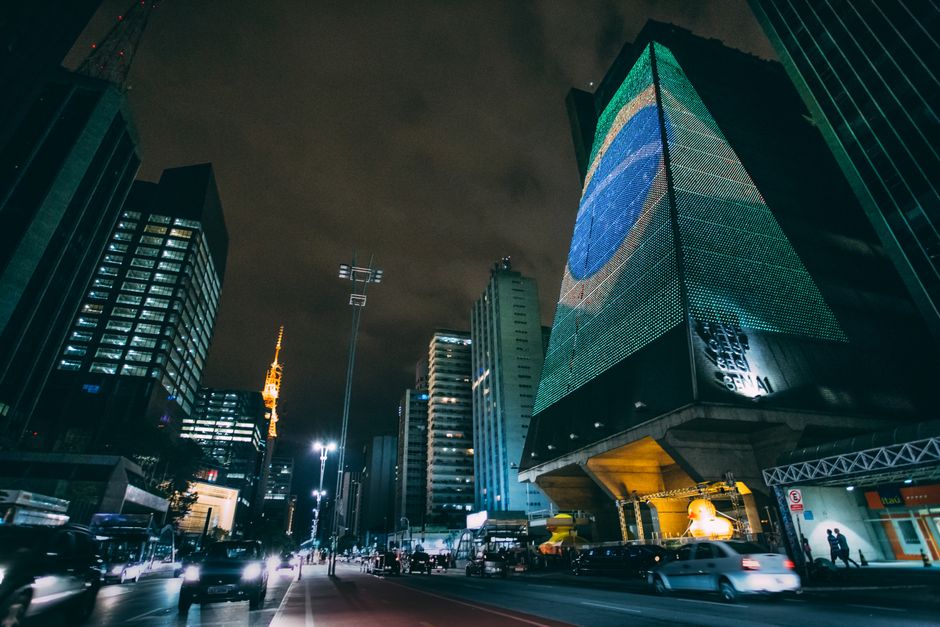
São Paulo's ambitious environmental targets are now backed by hard figures, and the numbers tell a story more complex than headlines alone can capture. According to the latest municipal sustainability report released this month, the city has achieved a 12% reduction in greenhouse gas emissions over the past three years—yet still ranks among Brazil's most polluted urban centres, with air quality indices frequently exceeding safe WHO thresholds.
The data offers a window into the scale of the challenge. São Paulo generates approximately 18,000 tonnes of solid waste daily, with only 34% currently diverted from landfills through recycling and composting initiatives. The city's ambitious goal of reaching 50% waste diversion by 2030 would require processing an additional 2,880 tonnes per day—a target that requires investment the municipal budget has struggled to allocate consistently.
Water management presents equally sobering statistics. The Cantareira system, which supplies 48% of the metropolitan region's 22 million residents, operates at approximately 71% of capacity—a recovery from the critical lows of 2014-2015, but still precarious given expanding demand. Recent investments in water recycling facilities across Zona Leste neighbourhoods have increased industrial recycled water usage by 8%, though residential adoption remains negligible at just 0.3% across the greater metropolitan area.
Transport electrification shows more encouraging momentum. São Paulo's EMTU (municipal transport authority) reports that electric bus adoption has grown to 1,847 vehicles—representing 18% of the city's active bus fleet. The financial commitment is substantial: each electric bus costs approximately R$2.4 million compared to R$850,000 for a diesel equivalent, yet operational savings over the vehicle's lifespan offset initial expenditure by an estimated 34%.
The Imigrantes and Mogi-Cruzes corridors alone have absorbed 312 tonnes of CO₂ reduction through the transit modernisation programme, data from the city's Environmental Secretariat confirms. Yet these gains remain incremental against broader emissions—the transport sector still accounts for 41% of São Paulo's total carbon footprint.
Green space expansion around the Pinheiros River and in Parque da Juventude has increased urban vegetation coverage by 2.7 hectares annually over the past two years, while 47 new urban gardens have been established across lower-income neighbourhoods in partnership with local NGOs. Community participation in these initiatives has reached 12,400 volunteers, though municipal data suggests awareness of sustainability programmes remains limited to approximately 23% of the general population.
These numbers underscore a city at an inflection point—moving genuinely toward sustainability, yet confronting the numerical reality of how far transformation must still travel.
This article was compiled by AI from the sources linked above and screened before publishing. See our editorial standards.
How does this story make you feel?
Spread the word
About this article
Published by The Daily São Paulo
Daily brief
Free, in your inbox before 7am. Weekdays.
More in News