From Crisis to Action: How São Paulo's Environmental Movement Reached This Turning Point
Decades of water shortages, air pollution, and urban sprawl forced the city to confront hard truths about sustainability—and finally act.
Decades of water shortages, air pollution, and urban sprawl forced the city to confront hard truths about sustainability—and finally act.
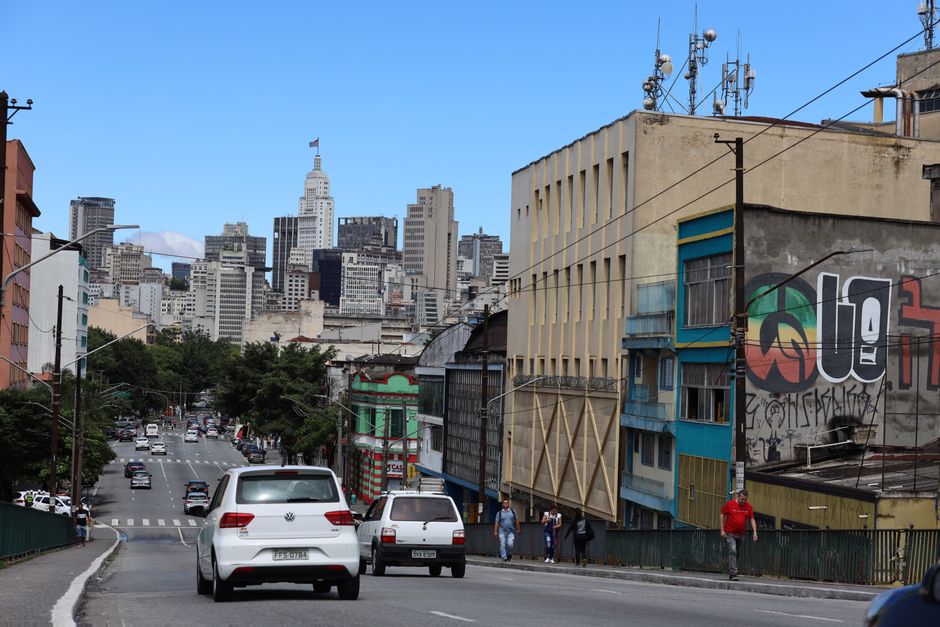
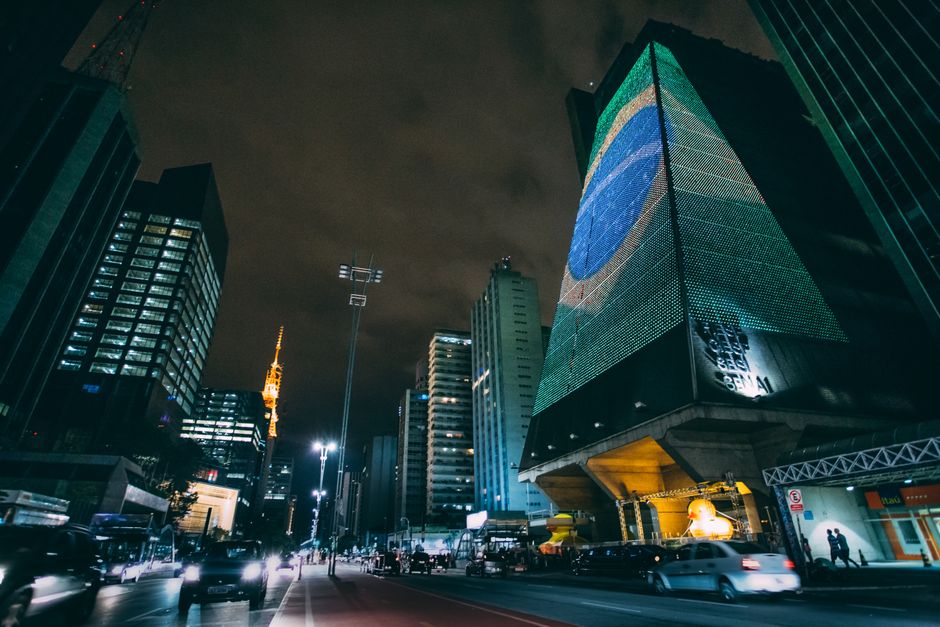
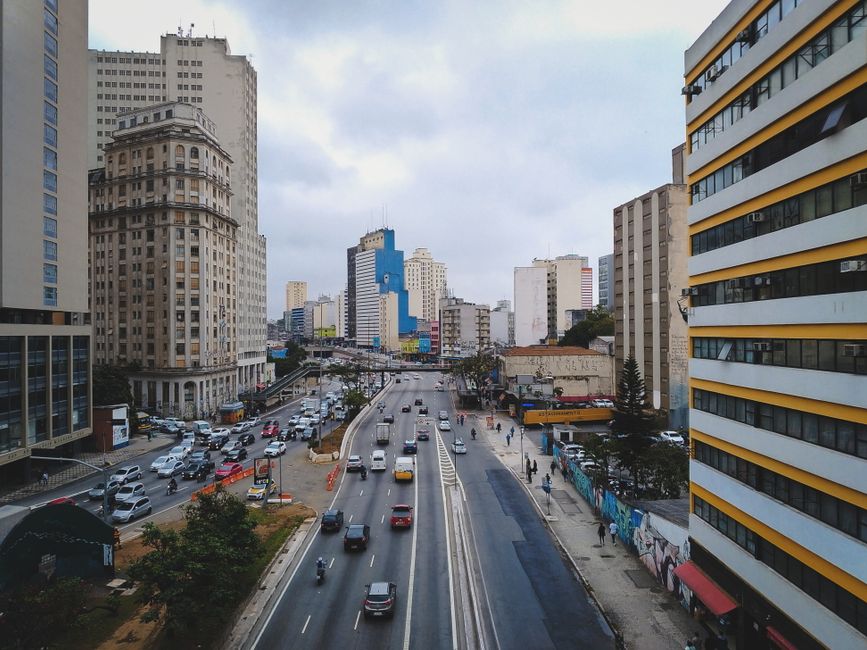
São Paulo's environmental awakening did not arrive overnight. It came through years of crisis, compromise, and gradual recognition that the megalopolis of 12 million people could not sustain itself on the trajectory it had chosen.
The 2014-2015 water crisis serves as the clearest demarcation line. When the Cantareira System—the reservoir complex supplying nearly half the city's water—plummeted to critical levels, the Municipal Water Company warned of imminent rationing. Residents endured erratic supply; the crisis exposed how a city of this scale had become dangerously dependent on distant watersheds. The Cantareira, located 60 kilometers north, had become the lifeline São Paulo never secured closer to home. That vulnerability changed calculations in city hall and among residents alike.
Air quality offered another reckoning point. Throughout the 1980s and 1990s, São Paulo routinely ranked among the world's most polluted cities. The Pinheiros River—a ribbon of industrial waste cutting through the West Zone—became symbolic of environmental neglect. By the early 2000s, though pollution indices improved incrementally, the city still recorded dangerous smog levels during winter months. Children in neighborhoods like Tatuapé and Vila Madalena grew up knowing which days meant canceling outdoor activities.
Urban sprawl accelerated degradation of the Atlantic Forest remnants in the Serra do Mar, south of the metropolis. As the city expanded outward, reaching municipalities like Guarulhos and São Bernardo do Campo, deforestation accelerated. Conservation groups began documenting the loss with increasing urgency.
By the 2010s, a confluence of factors shifted momentum. Climate scientists published dire projections. Young people, many educated abroad or influenced by global sustainability movements, began demanding change from municipal and state authorities. Civil society organizations—groups like Instituto Socioambiental and SOS Mata Atlântica—amplified technical data into public discourse. Universities, particularly USP's Institute of Energy and Environment, became nexuses for policy research.
The pivotal moment arrived around 2022-2023, when successive drought years again threatened water security. But this time, the city possessed better data, coordinated civil society, and political will forged through experience. Municipal administration began investing seriously in infrastructure, from wastewater treatment facilities to expanded public transit networks. The 2024 Climate Action Plan represented not revolutionary thinking but rather the culmination of a decade-long learning process.
São Paulo's sustainability initiatives, now taking tangible shape across neighborhoods and institutions, represent not visionary leadership but hard-won necessity—the product of failures that finally convinced a city it must change course.
This article was compiled by AI from the sources linked above and screened before publishing. See our editorial standards.
How does this story make you feel?
Spread the word
About this article
Published by The Daily São Paulo
Daily brief
Free, in your inbox before 7am. Weekdays.
More in News