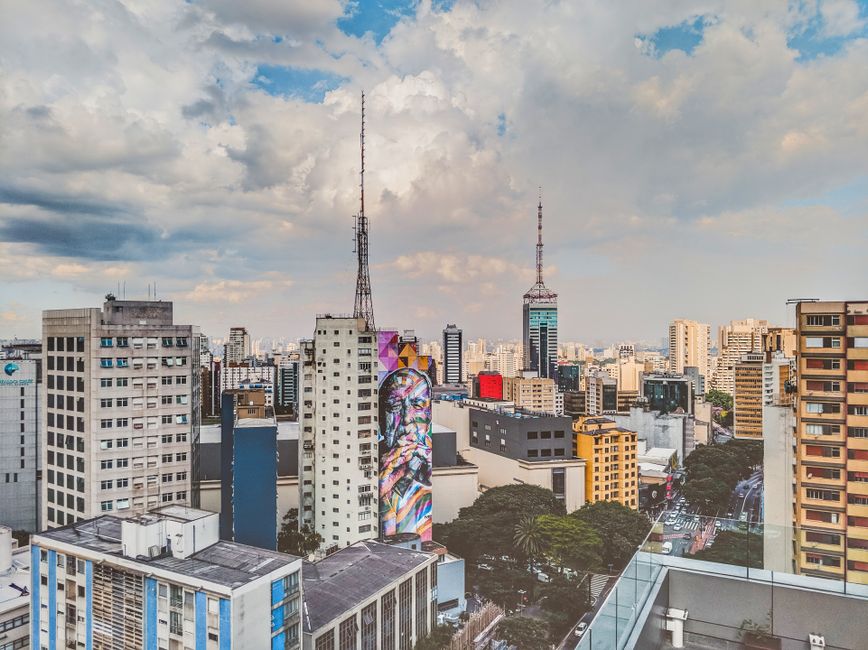
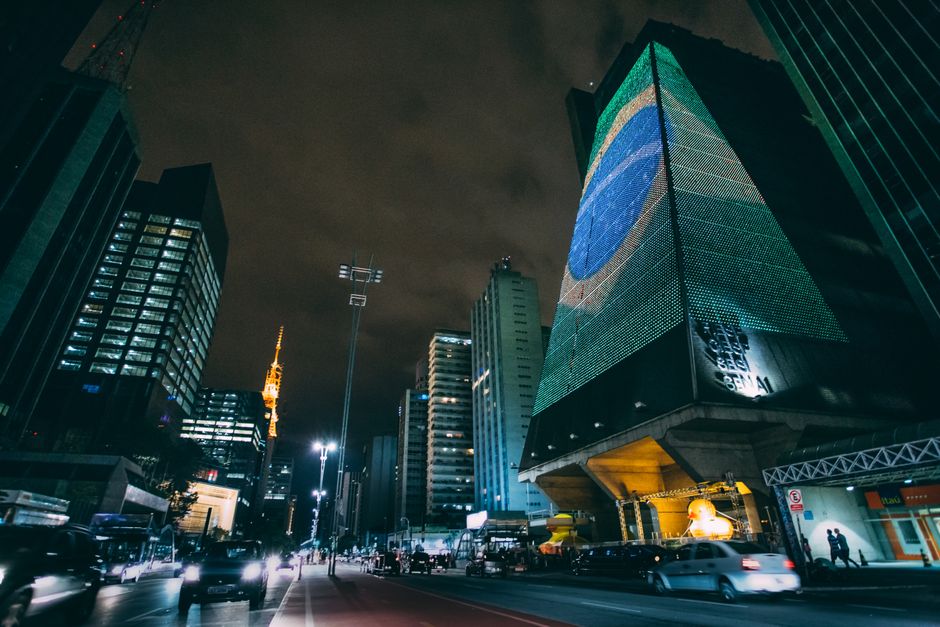
São Paulo's approach to tackling urban congestion is drawing international attention as the city accelerates infrastructure projects that position it ahead of comparable global metropolises facing similar transportation crises. With over 12 million residents and daily congestion regularly exceeding 300 kilometres of gridlocked streets, the city has adopted an investment strategy that prioritises rapid bus transit expansion over traditional metro construction—a model gaining traction elsewhere.
The ongoing expansion of the TransOeste corridor linking Vila Sônia to Bom Retiro represents a watershed moment for municipal planning. Unlike comparable cities such as Istanbul or Mexico City, which have invested heavily in underground rail systems, São Paulo's integrated approach combines dedicated bus lanes, complementary metro phases, and real-time traffic management systems. Recent data shows the Corredor Metropolitano has reduced average commute times by 18 per cent since 2024, serving approximately 1.2 million daily passengers.
The Prefeitura's €2.8 billion transit investment programme—approved last fiscal year—prioritises accessibility in peripheral zones like Grajaú and Itaquera, where residents previously endured three-hour commutes to central business districts. This contrasts sharply with strategies deployed in London or Singapore, where transit expansion has historically concentrated on affluent zones first.
São Paulo's participatory budgeting model, refined through community consultations in bairros including Parelheiros and Vila Mariana, has also differentiated the city's governance approach. Public hearings at the Legislative Assembly have directly influenced corridor placement and station locations—a transparent process less commonly seen in comparable metropolitan regions.
However, challenges persist. The city's ageing metro infrastructure still accounts for just 20 per cent of public transit capacity, compared to 60 per cent in Paris or Berlin. Maintenance backlogs on the Red Line and Green Line have prompted discussions about privatising certain operational segments—a controversial proposal being studied by municipal authorities.
Financial sustainability remains precarious. Operating deficits across the transit system reached R$3.2 billion in 2025, forcing fare increases that disproportionately affect lower-income commuters. Meanwhile, private rideshare services continue fragmenting the transport ecosystem, mirroring challenges faced by Jakarta and Bangkok.
Transport Secretary João Marques' emphasis on integrating informal transit operators—who currently ferry 800,000 daily passengers—into formalised systems represents another distinctive approach. Few cities have attempted such comprehensive integration of informal sectors into municipal planning frameworks.
As São Paulo continues navigating competing demands for investment, its hybrid model offers valuable lessons to other megacities wrestling with congestion and equity challenges.
This article was compiled by AI from the sources linked above and screened before publishing. See our editorial standards.