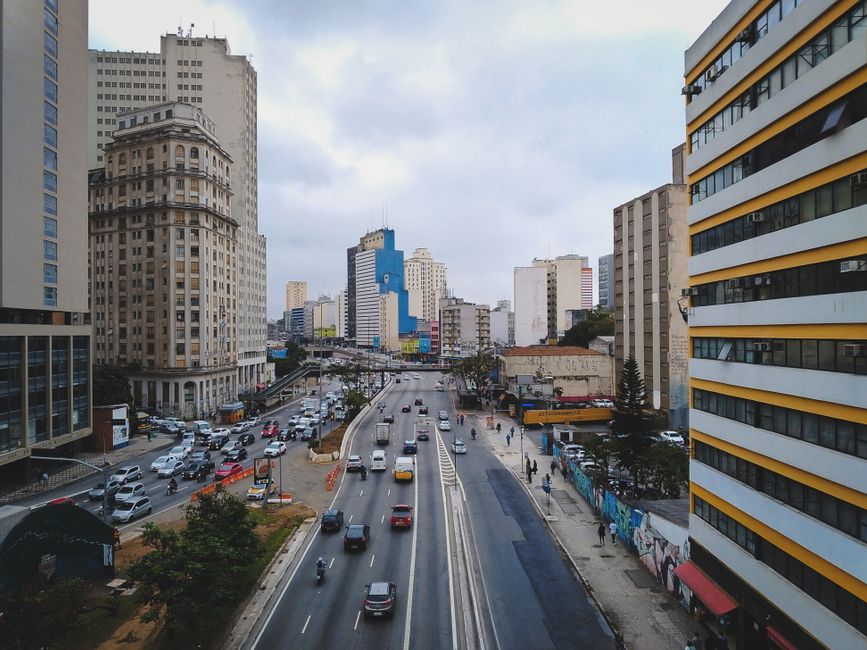
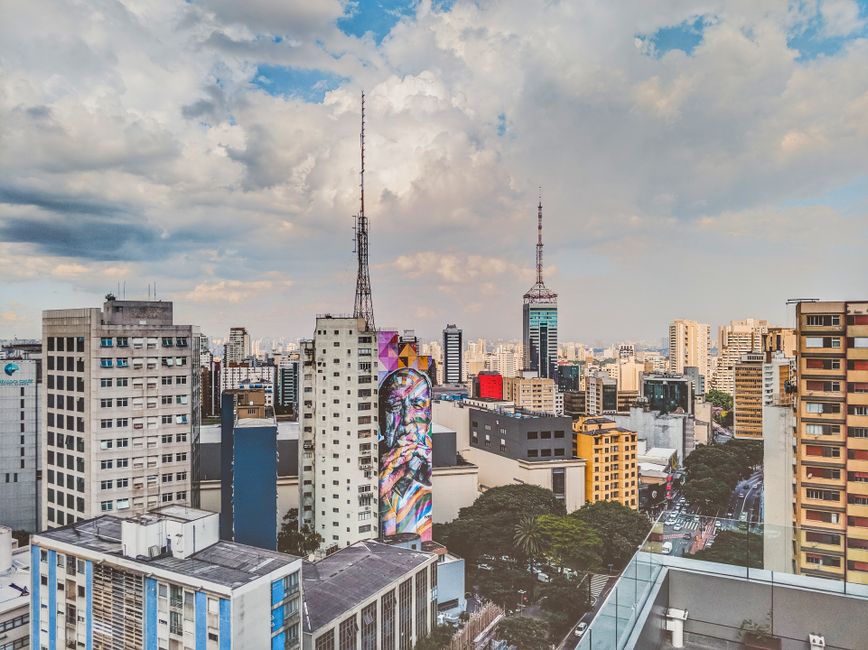
São Paulo's municipal government has accelerated its approach to housing affordability this year, rolling out revised zoning ordinances across Zone Leste and launching a R$2.1 billion social housing initiative—moves that have drawn cautious praise from urban planners monitoring how the world's major cities manage explosive growth and inequality.
The reforms, unveiled in March by the Municipal Housing Secretariat, allow mixed-use development along Avenida Paulista and streamline permits for affordable units in traditionally commercial districts. City officials point to 14,000 new social housing units completed since 2022 as evidence of momentum. Yet comparative analysis reveals São Paulo remains behind peers in execution speed and scope.
Mexico City, by contrast, has processed 31,000 affordable units over the same period through its more aggressive public-private partnership model, while Barcelona's densification strategy—focused on mid-rise residential conversion in aging commercial zones—has become a template other European cities emulate. São Paulo's approach, observers note, reflects Brazil's historically fragmented governance structure.
"The challenge isn't policy design," said Ana Costa, urban researcher at the Institute for Applied Economic Research (IPEA), in recent commentary. "It's implementation capacity and sustained political will across election cycles." The city's 11.4 million residents, concentrated across sprawling peripheries like Itaquera, Pirituba, and the southern reaches toward Grajaú, continue absorbing migrants faster than housing stock expands. Current estimates suggest a deficit of approximately 370,000 units.
São Paulo's current administration has also introduced congestion pricing pilots in the Centro district—a tool Singapore refined decades ago and which London successfully implemented in 2003. The trial, beginning next month on a limited stretch between Rua 25 de Março and Avenida São João, represents the city's boldest transportation intervention in a decade.
Where São Paulo distinctly lags is in public transit integration. While Seoul and Copenhagen have synchronized housing development with rapid transit expansion, São Paulo's CPTM and Metro systems struggle to keep pace with peripheral growth. The delayed São Paulo Line 6 extension, originally slated for completion in 2024, exemplifies chronic delays that undermine otherwise progressive planning.
City planners acknowledge the gap. Municipal housing director remarks, off the record, that São Paulo is "learning from global models while adapting to Brazilian realities." Whether that adaptation accelerates or stalls will define whether the city's 2030 targets—eliminating 100,000 units of housing deficit—proves aspirational or achievable.
This article was compiled by AI from the sources linked above and screened before publishing. See our editorial standards.