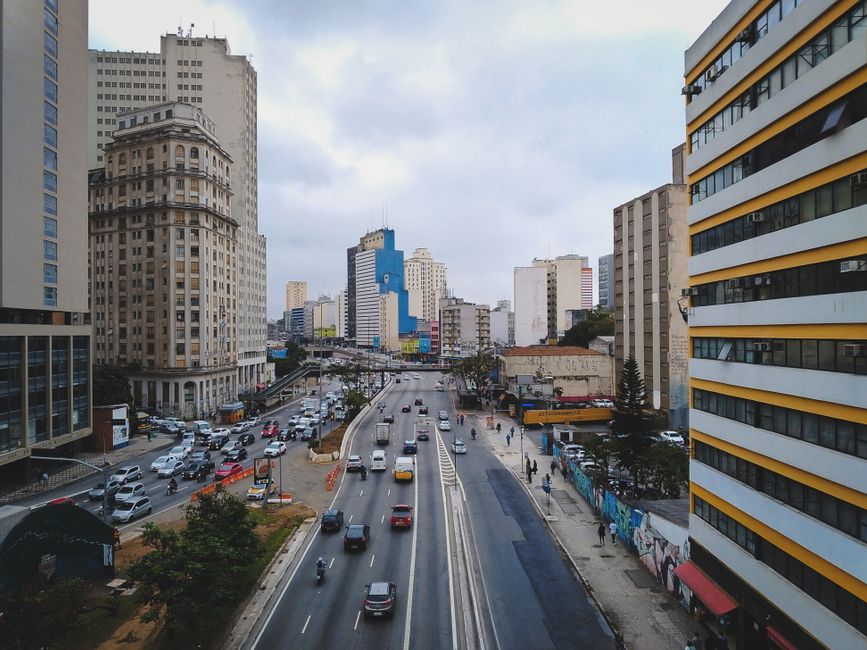
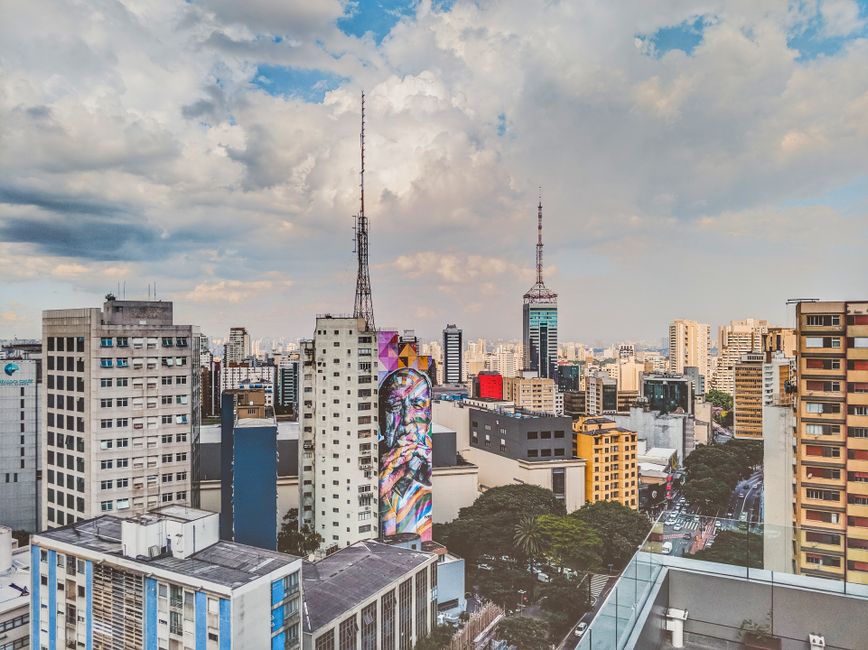
In the cramped living quarters above a juice bar on Rua 25 de Março, migrants huddle around mobile phones, scrolling frantically through WhatsApp videos and news updates from Venezuela. The 6.8-magnitude earthquake that struck four days ago has left nearly 300 people unaccounted for and created a new, invisible crisis playing out quietly in São Paulo's immigrant neighbourhoods.
The Venezuelan community here—now numbering approximately 240,000 across the metropolitan area according to municipal integration programmes—finds itself emotionally fractured between two countries. For many, the tremors triggered more than seismic fear; they reopened wounds from economic collapse and political instability that drove them northward.
"My mother was in Mérida when it happened," says Clara Rodríguez, who works at Casa Venezuela, the community centre on Avenida Paulista that has become an informal information hub. "We couldn't reach her for 36 hours. I was working, trying to stay focused, but my hands wouldn't stop shaking." Rodríguez, who migrated in 2019, represents a growing pattern: Venezuelan arrivals to São Paulo have increased 45 per cent since 2024, with many settling in neighbourhoods like Brás, Belém, and Vila Mariana where rental costs remain manageable.
The psychological toll compounds existing precarity. Recent research from the São Paulo Migration Observatory shows that 63 per cent of Venezuelan migrants in the city live in shared accommodation, earning between 2,000 and 3,500 reais monthly. The earthquake has triggered both fundraising efforts and difficult conversations about responsibility.
"People are asking: should I send my remaining savings home? Should I try to return?" explains Father Miguel Cortés at the Pastoral da Mobilidade Humana, which serves migrants across three dioceses. "The answer is never simple, but the question reveals something profound—these aren't people who left Venezuela cleanly. They left pieces of themselves there."
At the Mercado Central's Venezuelan food stall, vendor José Márquez reports a surge in customers seeking comfort foods, yet conversations repeatedly turn grave. Several customers have posted missing relative notices on community bulletin boards around Rua Santa Ifigênia.
Municipal officials acknowledged the growing mental health crisis among migrant communities, with social worker Daniela Silva noting increased demand at integration centres. The prefeitura's migration secretariat announced emergency support for families with relatives unaccounted for, including free counselling and documentation assistance for those considering temporary returns.
For now, São Paulo's Venezuelan community waits, watching, worrying—exemplifying the particular vulnerability of diaspora populations whose hearts remain tethered to homes they fled.
This article was compiled by AI from the sources linked above and screened before publishing. See our editorial standards.