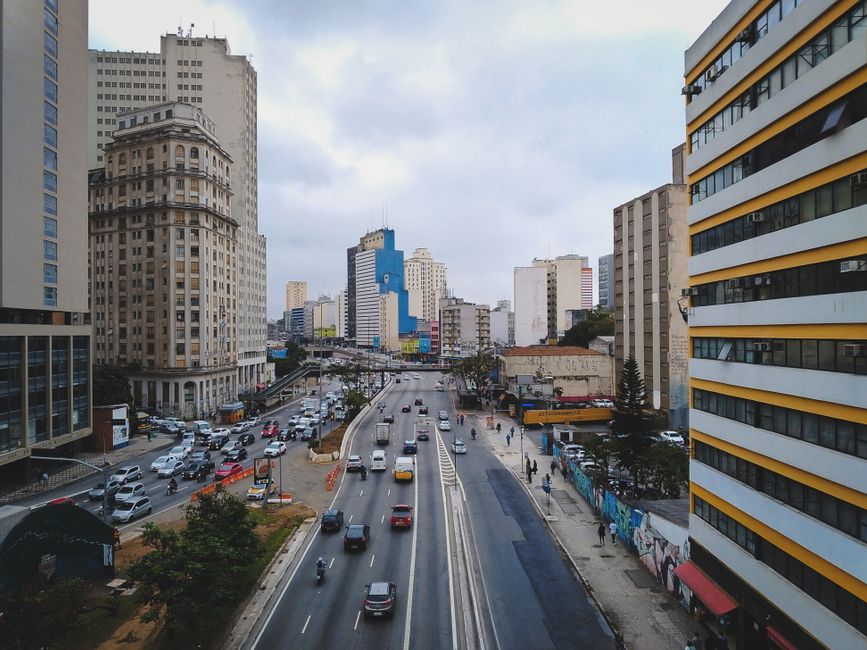
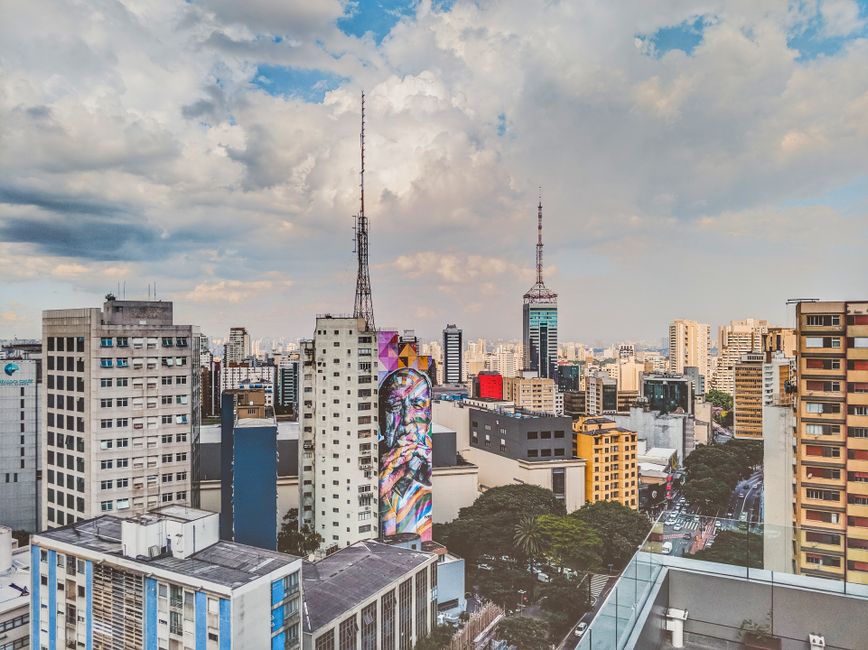
São Paulo's Stalled Metro Expansion: Why Residents in the Periphery Are Running Out of Patience
As delays mount on critical transport links to the city's outer zones, working families face longer commutes, higher costs, and deepening inequality.
As delays mount on critical transport links to the city's outer zones, working families face longer commutes, higher costs, and deepening inequality.
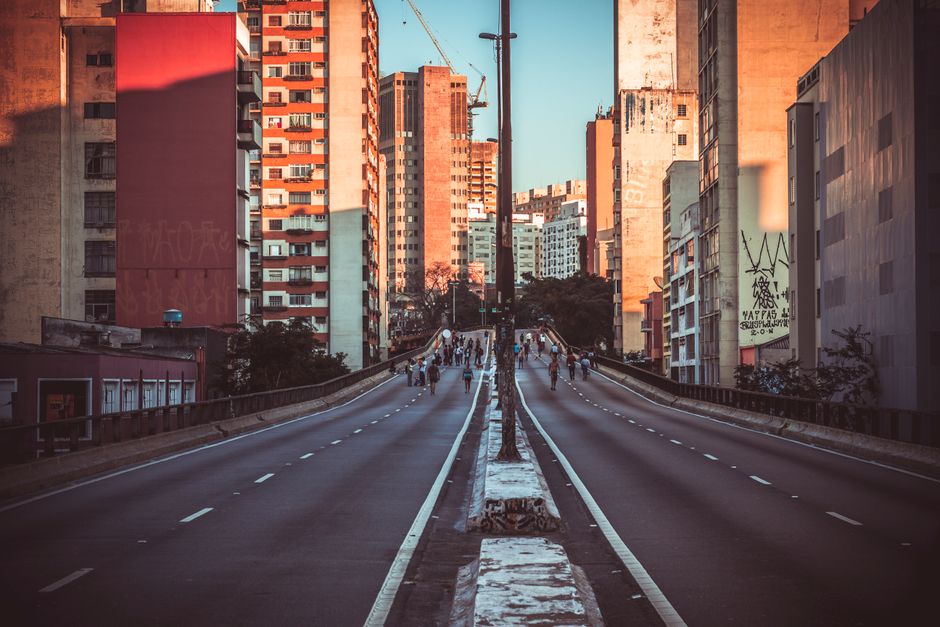
The Line 6 Metro extension, originally promised to reach the Brasilândia neighbourhood by 2024, now won't arrive until 2028 at the earliest—if funding holds. For the hundreds of thousands of residents living in São Paulo's peripheral zones like Brasilândia, Cachoeirinha, and parts of the North Zone, this isn't just inconvenient. It's a daily economic and social burden that compounds existing inequalities.
A commuter from Brasilândia currently faces a 90-minute journey to the Pinheiros financial district using buses and informal transport networks. Once the Metro extension opens, that same trip could drop to 45 minutes, according to SPTrans data. But the wait continues. Monthly transport passes now cost R$200 for those relying on multiple bus transfers—nearly 11 percent of minimum wage for a single household member.
The ripple effects are visible across the city's transport-dependent communities. Workers arriving late to service jobs in Jardins and Vila Mariana risk losing shifts. Students at public schools in peripheral areas start days exhausted before classes begin. Small business owners struggle to hire staff unwilling to commute over two hours. The SPTRANS administrative office on Avenida São João has fielded thousands of complaints this year alone about unreliable bus schedules.
Yet the infrastructure problem extends beyond Metro delays. The promised Bus Rapid Transit (BRT) corridor along Avenida Imigrantes—designed to serve the industrial belt and residential sprawl toward Santo André—remains under-resourced and partially operational. Meanwhile, the elevated Linha Amarela toll continues to drain household budgets for those without alternatives, with single tolls reaching R$14.50.
City planners argue budget constraints and environmental licensing delays explain the timeline slippage. The São Paulo city government allocated R$2.8 billion for Metro expansion in 2025, down from originally projected R$3.5 billion. Federal infrastructure funding has been redirected to other regions.
For Ana Silva, a nurse who commutes daily from Brasilândia to Hospital das Clínicas, these delays aren't abstract policy failures. They represent lost sleep, reduced family time, and the compounding stress of inequality made tangible in wasted hours. Her story echoes across millions of peripheral residents whose access to the city's economic opportunities remains bottlenecked by transport systems that treat their neighbourhoods as afterthoughts.
The question facing São Paulo's leadership is whether the city can afford to keep these communities waiting—or whether proper infrastructure investment will finally become a priority.
This article was compiled by AI from the sources linked above and screened before publishing. See our editorial standards.
How does this story make you feel?
Spread the word
About this article
Published by The Daily São Paulo
Daily brief
Free, in your inbox before 7am. Weekdays.
More in News