São Paulo's Migration Surge: The Numbers Reshaping the City's Soul
New data reveals how 1.8 million migrants have transformed São Paulo's economy, housing markets, and social infrastructure over the past decade.
New data reveals how 1.8 million migrants have transformed São Paulo's economy, housing markets, and social infrastructure over the past decade.
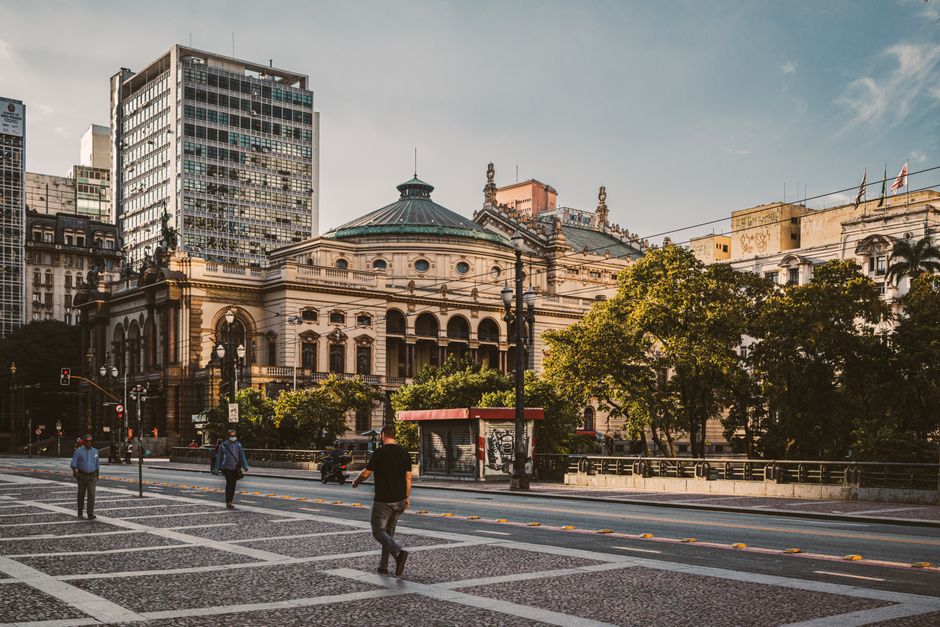
São Paulo's transformation into a global migration hub is no longer anecdotal—it's statistical fact. According to the latest municipal census data released this month by SEADE (Fundação Sistema Estadual de Análise de Dados), the city now hosts approximately 1.8 million migrants and their descendants, representing 18.4 percent of the metropolitan area's population. The implications ripple through every neighbourhood from Bom Retiro to Brás, reshaping everything from rental markets to employment patterns.
The demographic shift accelerated dramatically post-2020. Migration to São Paulo increased by 34 percent between 2020 and 2026, according to federal immigration records, driven by economic instability across Latin America and Africa. Venezuelan arrivals alone surged from 12,000 in 2019 to an estimated 187,000 by June 2026—a fifteen-fold increase that strained municipal social services despite significant funding. The Haitian diaspora grew proportionally, with 94,000 residents now calling São Paulo home, primarily concentrated in the Zona Leste.
Housing demand has followed migration patterns with mathematical precision. Average rental prices in traditionally immigrant-heavy neighbourhoods tell the story: Bom Retiro saw rents climb 47 percent between 2022 and 2026, from R$1,200 to R$1,760 for modest two-bedroom units. Similar pressures hit Brás and Pari, where real-estate speculation has triggered friction between established residents and newcomers competing for limited stock. Municipal housing programmes have struggled to keep pace—only 4,200 social housing units were completed in 2025, falling short of the 12,000 annual target identified by SEHAB (Secretaria de Habitação).
Employment data reveals a more hopeful narrative. Migrant-led entrepreneurship contributed an estimated R$8.7 billion to São Paulo's informal and formal economies last year, according to a joint study by the DIEESE labour institute and ACSP (Associação Comercial de São Paulo). Street commerce along Rua 25 de Março and the expanded wholesale districts have become predominantly migrant-operated, creating jobs while generating tax concerns. Formal employment rates among migrants improved to 51 percent by 2026—up from 34 percent in 2019—suggesting successful labour market integration despite language barriers and credential recognition challenges.
The story behind São Paulo's migrant reality isn't just human interest—it's quantifiable transformation. With projections suggesting 2.4 million migrant residents by 2030, municipal planners face urgent questions about education capacity (schools serving migrant neighbourhoods report 34 percent overcrowding), healthcare access, and infrastructure investment. The numbers demand answers.
This article was compiled by AI from the sources linked above and screened before publishing. See our editorial standards.
How does this story make you feel?
Spread the word
About this article
Published by The Daily São Paulo
Daily brief
Free, in your inbox before 7am. Weekdays.
More in News