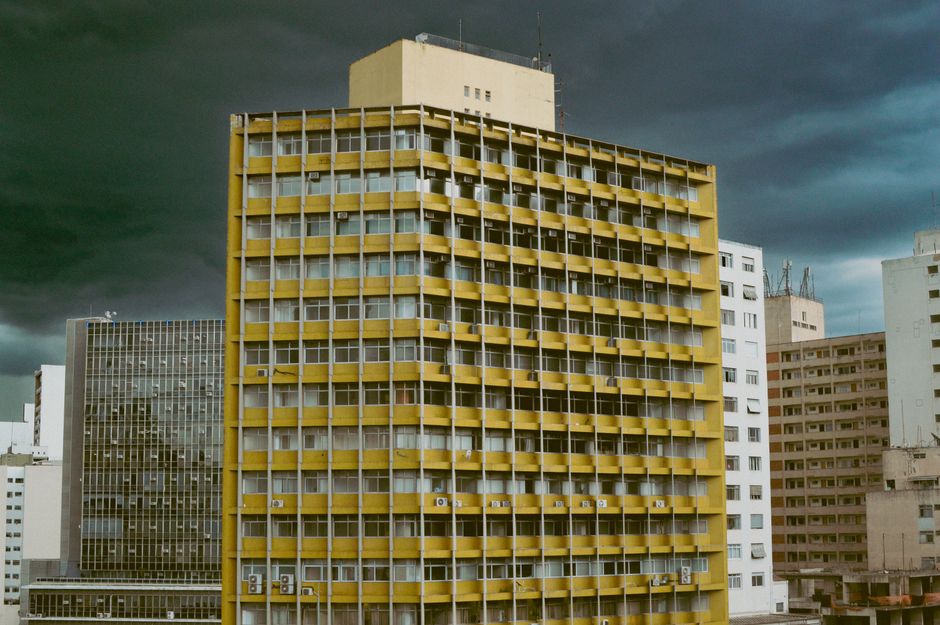
From Vila Madalena Garage to Tech Giant: How Entrepreneur Builds São Paulo's Next Unicorn
A homegrown fintech founder is reshaping Brazil's venture capital landscape while anchoring innovation in the city's creative heartland.
A homegrown fintech founder is reshaping Brazil's venture capital landscape while anchoring innovation in the city's creative heartland.
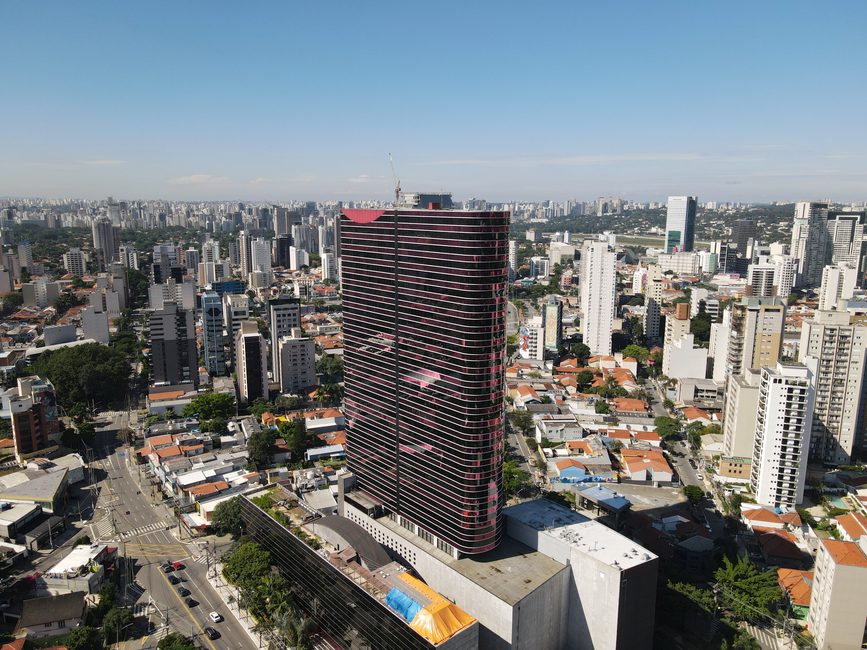
Deep in the tree-lined streets of Vila Madalena, just steps from the street art murals that define the neighbourhood's creative identity, a quiet revolution is unfolding in the startup ecosystem that has made São Paulo Latin America's undisputed innovation capital.
The transformation reflects a broader shift in how São Paulo's entrepreneurial class operates. Once concentrated in Berrini's corporate towers or the tech corridors of Pinheiros, innovation increasingly clusters around mixed-use neighbourhoods where artists, engineers, and venture capitalists collide. The city now hosts over 8,000 active startups—more than three times the number recorded five years ago—with estimated ecosystem value exceeding $120 billion.
This growth has attracted global attention. In 2025 alone, São Paulo startups raised nearly $4.2 billion in venture funding, making the city competitive with traditional hubs like Austin and Berlin. Yet for many investors and entrepreneurs, the real story lies not in headline figures but in the individuals reshaping entire market segments.
The startup landscape has matured considerably since the early days when founders worked from coffee shops along Rua Bandeira or temporary co-working spaces scattered through the Consolação neighbourhood. Today, purpose-built innovation districts cluster near major universities and transport hubs, while accelerators like Plug and Hub offer structured pathways from ideation to scale-up.
What distinguishes São Paulo's current moment is the rise of second-generation entrepreneurs—founders who built previous ventures, understand the market's pain points intimately, and possess the networks to navigate Brazil's complex regulatory environment. These experienced leaders are tackling sectors from agricultural technology to healthcare logistics, areas where technical sophistication meets genuine market need.
The economic impact extends beyond GDP figures. São Paulo's startup ecosystem has become a powerful retention tool, keeping talented engineers and designers in the city rather than watching them migrate to Silicon Valley or Buenos Aires. Universities like USP and Mackenzie increasingly feed talent directly into startup accelerators, creating virtuous cycles of innovation.
Real estate trends underline the sector's confidence. Commercial rents in innovation-adjacent neighbourhoods like Pinheiros and Vila Mariana have climbed steadily, while older industrial zones near Brás are experiencing gentrification as warehouses convert into maker spaces and tech offices.
Looking ahead, São Paulo's entrepreneurs face familiar challenges: navigating Brazil's tax complexity, securing long-term funding beyond Series A, and competing with increasingly aggressive regional rivals in Argentina and Colombia. Yet the city's combination of market scale, talent density, and access to Brazilian consumer data remains formidable. For ambitious founders, São Paulo remains the stage where Latin America's next generation of technology leaders emerges.
This article was compiled by AI from the sources linked above and screened before publishing. See our editorial standards.
How does this story make you feel?
Spread the word
About this article
Published by The Daily São Paulo
Daily brief
Free, in your inbox before 7am. Weekdays.
More in Business