The Science Behind Mindfulness: What It Actually Does to the Brain
São Paulo’s mindfulness community is growing—but what does neuroscience say about how meditation changes our minds?
São Paulo’s mindfulness community is growing—but what does neuroscience say about how meditation changes our minds?

On a bright weekday morning in Ibirapuera Park, dozens of Paulistanos can be spotted sitting cross-legged on the grass, eyes closed, pausing between joggers and cyclists to practice breathing exercises that are as much about their brains as their bodies. Mindfulness and meditation—once viewed as alternative therapies—are now central to the wellness routine of thousands in São Paulo, but questions remain: what, exactly, is happening inside our heads when we slow down and focus on the present?
Interest in meditation surged during the pandemic, with stress and burnout now recurring themes in offices from Avenida Paulista to Vila Olímpia. As workplace pressure builds and medical appointments for anxiety climb (Hospital das Clínicas reports a 15% increase in mental health outpatient bookings since 2024), many are searching for evidence-based practices to maintain well-being. Meditation is marketed as a daily antidote, but understanding the science behind its neurological effects is increasingly essential for critics and enthusiasts alike.
All over São Paulo, dedicated communities are putting mindfulness under the microscope—and some are bringing brain science into the mix. The Centro de Estudos de Meditação, based in Vila Mariana, has partnered with neuropsychologists from the Universidade de São Paulo (USP) to offer workshops that include live EEG demonstrations explaining how meditation affects the prefrontal cortex, responsible for decision-making and focus. Meanwhile, at Espaço Despertar on Rua Fradique Coutinho in Pinheiros, group classes are now regularly booked out, with instructor-led body scans and breathwork tailored for stressed-out executives and young students alike. Prices average R$70 per group session, with multi-class packs in high demand.
For those unable to attend formal classes, free roaming groups at Parque Ibirapuera meet on Saturday mornings near Portão 7, attracting a cross-section of city dwellers—students, retirees, and busy professionals—sharing apps and techniques. Still, scientific validation remains crucial, especially for those skeptical of wellness trends. São Paulo’s public discussion forum at Sesc Avenida Paulista recently hosted a panel with neurologists, drawing over 200 people, many of whom were curious not just about technique, but about what actually happens in the brain during mindful meditation.
The best research suggests meditation produces quantifiable changes in both brain structure and function. A landmark 2025 study conducted at the USP Institute of Psychiatry used MRI imaging to track grey matter density among regular meditators in the city. After eight weeks of daily 30-minute mindfulness practice, participants showed increases in the left hippocampus—linked to learning and memory—and decreased activity in the amygdala, the brain’s fear and stress centre. The results mirror global findings, but the São Paulo cohort was distinct for its diversity, including participants from Parelheiros to Bela Vista.
Local practitioners point to the numbers: The Brazilian Association of Mindfulness and Health reports a 40% increase in certified mindfulness instructors in the capital over the past two years. And for individuals, structured programs such as Sabina Instituto’s eight-week Mindfulness-Based Stress Reduction (MBSR) have reported dropout rates under 10%, suggesting high adherence. In São Paulo’s often chaotic environment, even small neurological improvements—a 20% reduction in participants' self-reported anxiety scores in the USP-psych study—may yield tangible benefits at work and home.
Mindfulness may be everywhere, but experts advise caution when choosing how to practice. Medical professionals at Hospital Israelita Albert Einstein in Morumbi recommend starting with short, 10-minute sessions and gradually increasing as focus improves; apps such as Lojong (free with optional paid features) can offer structured guidance in Portuguese. For those keen on the science, Centro de Estudos de Meditação’s next free public lecture on neurological evidence is slated for August 3rd.
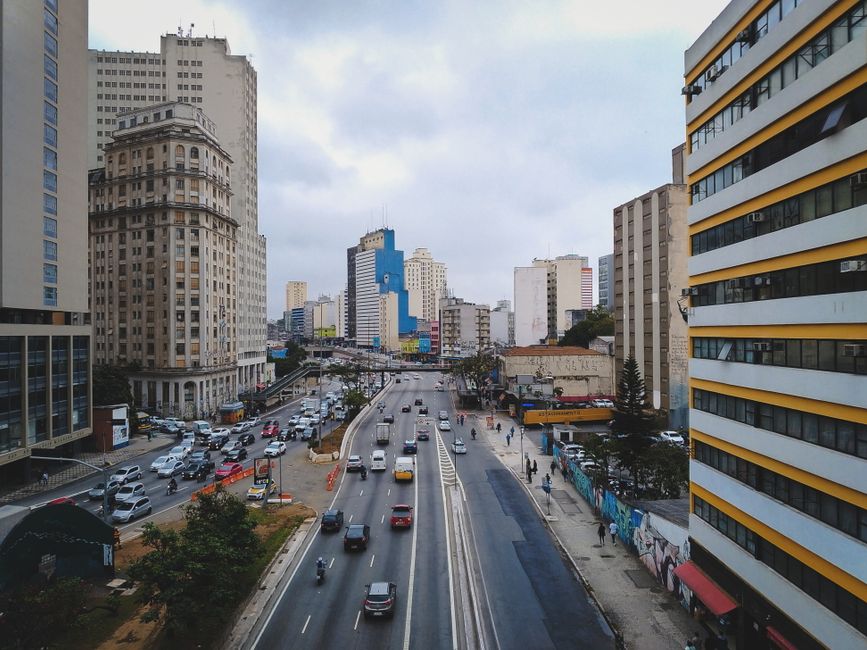
As São Paulo’s wellness landscape matures, more options are opening up citywide—from quiet morning breathwork groups along the Minhocão to technology-driven mindfulness labs popping up in Santa Cecília. Ultimately, the scientific verdict is clear: meditation may not solve all of Paulistanos' problems, but for many, the neural benefits are more than mere placebo. As the city keeps moving, so will the search for a clearer, calmer mind.
How does this story make you feel?
Spread the word
About this article
Published by The Daily São Paulo
Daily brief
Free, in your inbox before 7am. Weekdays.
More in Wellness