The Hidden Nature Walks Locals Love But Tourists Miss in São Paulo
Step beyond Ibirapuera and Avenida Paulista to discover São Paulo’s overlooked trails, where residents find quiet, greenery and community far from tourist crowds.
Step beyond Ibirapuera and Avenida Paulista to discover São Paulo’s overlooked trails, where residents find quiet, greenery and community far from tourist crowds.
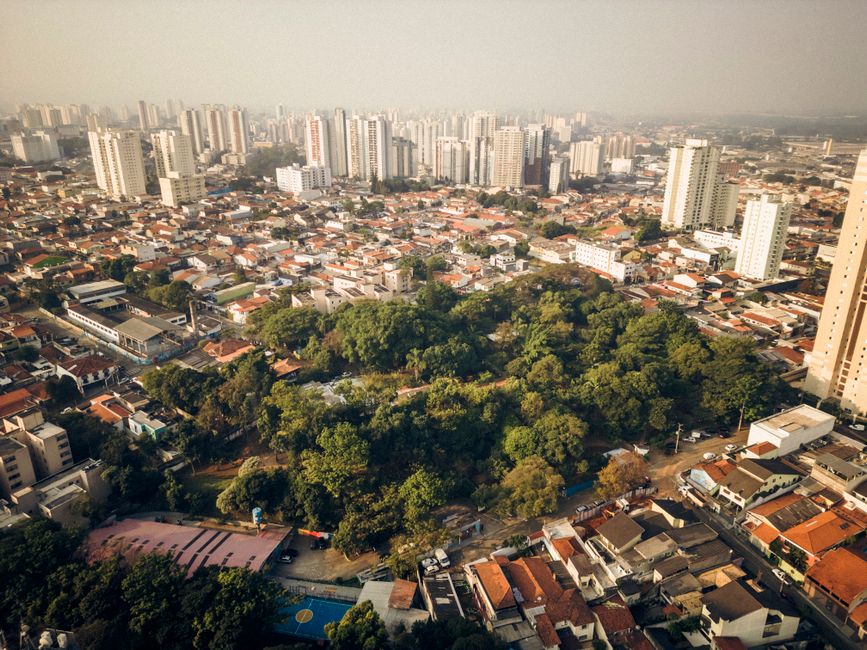
On a recent Saturday morning, a trickle of São Paulo residents wound their way along the shady, creekside paths of Parque Severo Gomes, dodging golden marmosets and soaking in birdsong—a serene contrast to the city’s usual weekend bustle. While international visitors tend to flock to the monumental lawns of Ibirapuera Park or cycle the closed-off Avenida Paulista, Paulistanos in the know often opt for a quieter communion with nature on little-publicised trails scattered across the south and west of the city.
The renewed interest in pocket nature escapes comes as São Paulo’s urban sprawl continues to tighten. According to city data, more than 12.4 million people now call the metropolis home, a number that regularly tests local green space per capita. Growing research from Hospital das Clínicas suggests regular exposure to natural environments can lower rates of anxiety—a point not lost on locals enduring São Paulo’s notorious weekday gridlock.
For residents in Chácara Santo Antônio, the meandering paths of Parque Severo Gomes (Rua Pires de Oliveira, 356) offer a fragrant forest refuge just off Avenida Santo Amaro. Paved loops and rustic dirt trails shoot off into leafy alcoves, where jabuticaba trees and shady bamboo thickets make this a favourite for dog walkers and joggers alike. Unlike Ibirapuera, entry is free every day, and weekend crowds rarely fill up the park’s four kilometres of trails.
Further west, in Vila Leopoldina, residents trek the secretive Estrada das Tabocas in Parque Villa-Lobos’ less-trafficked northern zone. This route, running parallel to the busy Avenida Queiroz Filho, forms a green corridor lined with native fig trees and the occasional graffiti mural. The state’s environmental agency, Fundação Florestal, recently installed new directional signage here as part of a 2025 update, but the path still feels worlds away from São Paulo’s better-trodden running tracks.
Whereas guided city nature walks can cost R$50–R$100 per person in central neighbourhoods, these hidden gems are usually free and open year-round. According to the Secretaria Municipal do Verde e do Meio Ambiente, São Paulo now counts 112 officially designated parks, yet fewer than 40 percent of residents visit any of them monthly. Locals cite overcrowding and lack of information as major barriers.
One exception is the monthly Caminhada Ecológica, run by community volunteers in Parque Burle Marx (Avenida Dona Helena Pereira de Moraes, 200) in Morumbi. Maps and route info are posted online through the Amigos do Parque group, who welcomed over 300 participants to their walks in May 2026—proof that organised discovery helps these lesser-known routes gain a loyal following.
For those eager to explore, experts recommend weekday mornings for the quietest experience and packing plenty of water—São Paulo’s parks rarely have kiosks off the main paths. Apps like SP+Verde can help walkers locate the nearest hidden nook, and most official city parks list trail maps posted at their entrances. The next Caminhada Ecológica at Parque Burle Marx is scheduled for 21 July. Ultimately, these overlooked walkways serve as a vital resource in a city where both mental and physical well-being often start with a single, unexpected step into green.
How does this story make you feel?
Spread the word
About this article
Published by The Daily São Paulo
Daily brief
Free, in your inbox before 7am. Weekdays.
More in Wellness