Paulista neighborhood resident Lúcia Menezes swears by her lunchtime meditation classes at Espaco Mind, but what’s actually happening inside her brain when she sits in silence? São Paulo’s rising interest in mindfulness isn’t just yoga-fueled enthusiasm—it’s backed by science that’s visible on brain scans.
Why São Paulo Residents Are Tuning Into Their Minds
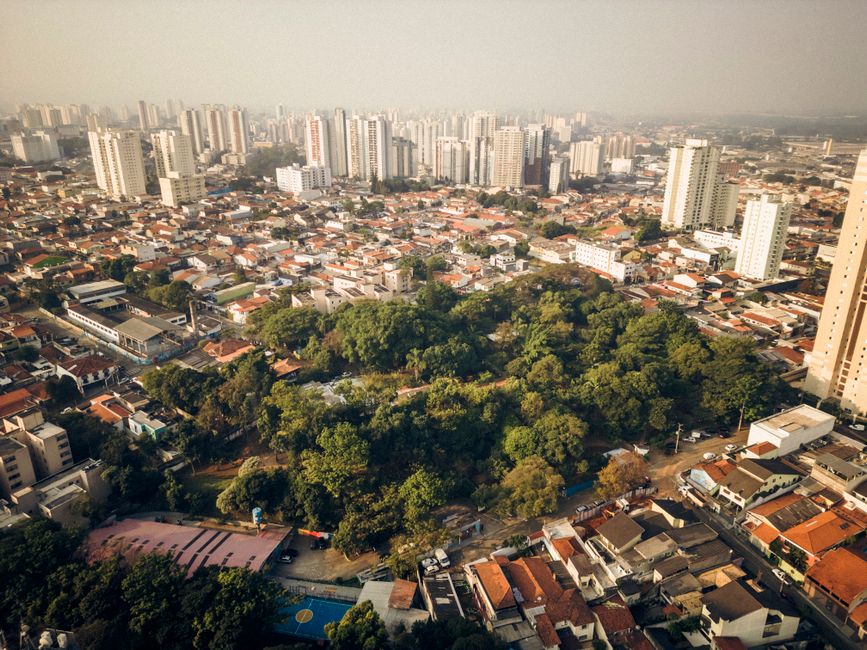
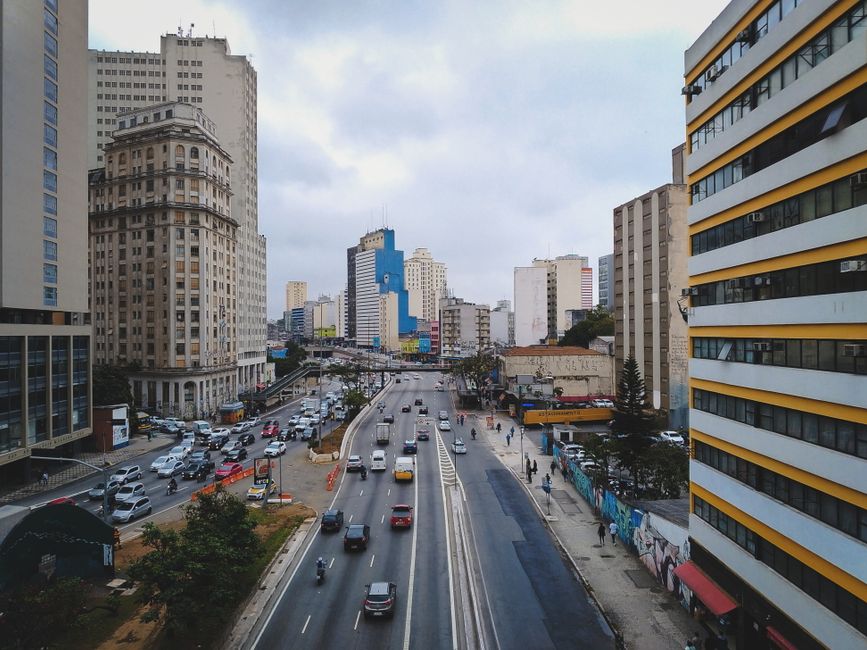
Meditation centers and mindfulness apps have been sprouting at record pace across the city. Between the chronic hustle of the Centro and mounting mental health concerns—Hospital das Clínicas reported a 24% uptick in stress-related cases this past year—Paulistanos are searching for accessible tools to restore calm. The explosion of guided sessions at parks like Ibirapuera and wellness-focused cafés on Rua Oscar Freire signals a hunger for something beyond green juice: strategies that actually change the way our minds work.
This matters. São Paulo’s thrum moves fast, and according to Dr. Clara Barbosa, a neurologist at Santa Casa de Misericórdia, routines of digital bombardment and urban stress are taking a visible toll. Interest in meditation grew sharply during the pandemic and hasn’t slowed—in fact, Semente Mindfulness, a Pinheiros-based programme, has quadrupled its monthly workshops since 2022. The city’s largest meditation meetup, Medita Sampa, brings over 300 residents to Parque do Povo each second Saturday, aiming to make these practices more mainstream than ever.
What MRI Scans Tell Us About Mindfulness
The research is convincing. A review published by Massachusetts General Hospital and USP’s Brain Institute found that eight weeks of mindfulness training increased gray matter density in the hippocampus (key for memory and learning) and prefrontal cortex (responsible for focus and decision making). Meanwhile, the size of the amygdala—a stress-processing center—actually shrank with regular practice.
São Paulo researchers are now running their own trials. Last year, a cross-institutional study involving Albert Einstein Hospital tracked 45 executives from Faria Lima who participated in a daily 20-minute meditation regimen. MRIs taken before and after the programme showed a 17% reduction in amygdala volume and significant connectivity changes in the default mode network, the area involved in mind-wandering and rumination. "These neural shifts correlate directly with lower reported stress, better sleep, and improved self-regulation," says a technical summary provided to The Daily São Paulo.
Classes themselves are affordable: group sessions at Medita Sampa or AmarZen on Rua Harmonia, Vila Madalena, start at R$50, with private coaches asking upward of R$200 per session. Many studios offer sliding scales or first-time free passes. Community-led courses at the Centro Cultural São Paulo remain popular, especially among students and retirees seeking low-cost stress relief.
Bringing Science-Based Mindfulness to Everyday São Paulo
What happens next? Mindfulness is no longer just a wellness trend; it’s being prescribed as part of treatment for anxiety, insomnia, and high blood pressure at both public hospitals and upscale clinics on Avenida Brasil. Local psychologists emphasise that anyone considering meditation for health benefits should check in with their care provider—programmes must be tailored and safely overseen, particularly if you have psychiatric diagnoses or are on medication.
For those curious to try: join a Sunday morning drop-in at Ibirapuera Park, where certified instructors from Movimento Zen Paulista lead open-air practices free of charge. For rigorous guidance, Semente Mindfulness in Pinheiros runs eight-week evidence-based courses modeled on protocols used by São Paulo’s leading health networks. The science is clear—the brain can change. And with the right support, residents can lay the mental groundwork for resilience, focus, and calm in this ever-busy metropolis.