Running São Paulo's Best Trails: Evidence-Based Tips That Actually Work for Local Conditions
From humidity management to surface selection, here's what exercise science says about staying safe and strong on the city's most popular outdoor routes.
From humidity management to surface selection, here's what exercise science says about staying safe and strong on the city's most popular outdoor routes.
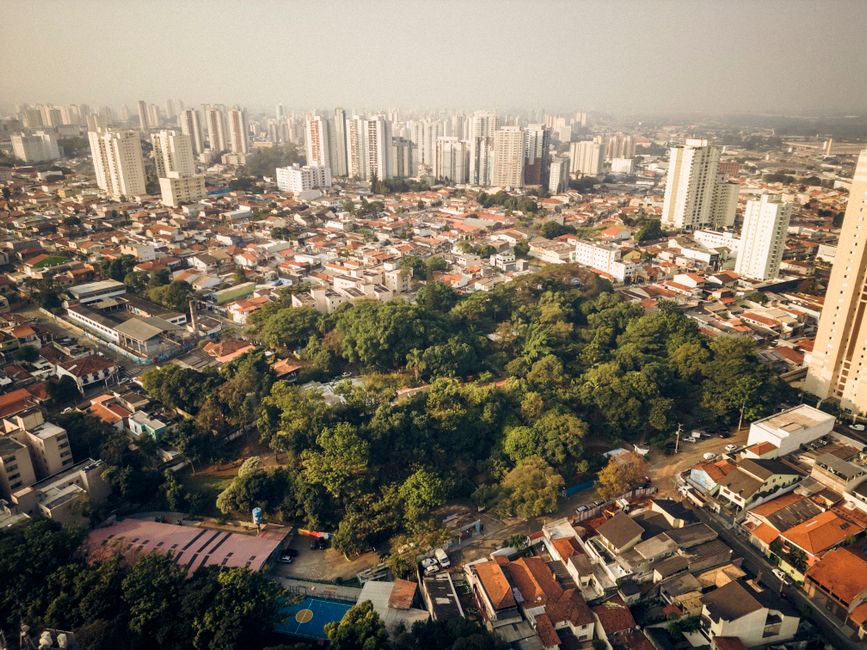
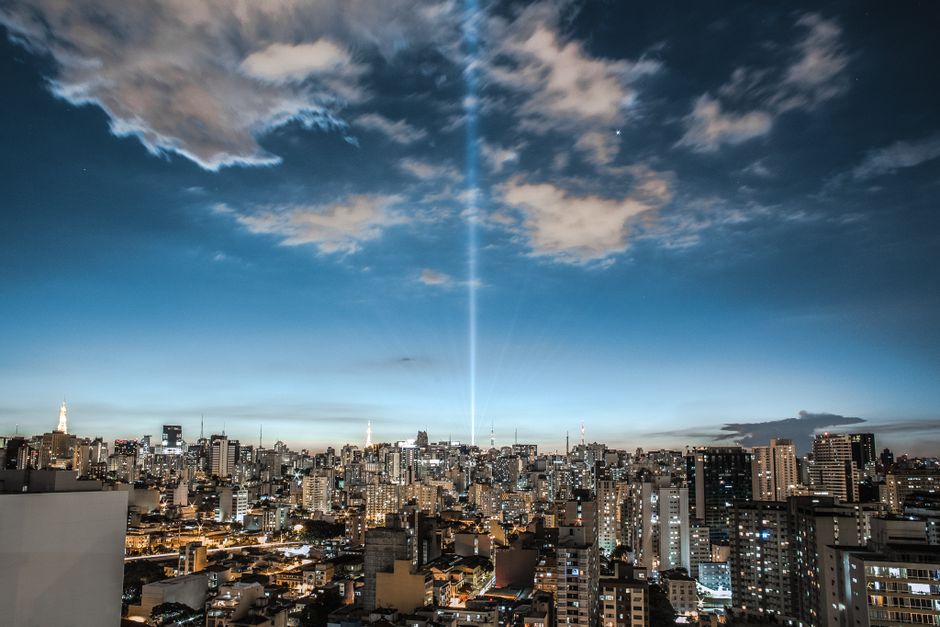
São Paulo's outdoor running culture has exploded over the past five years, with participation in organised trail events growing by an estimated 40% since 2021. But the city's subtropical climate, varied terrain, and urban geography create specific challenges that generic running advice simply doesn't address. Research-backed strategies tailored to local conditions can make the difference between a sustainable fitness routine and injury.
Temperature and Timing Matter More Than You Think
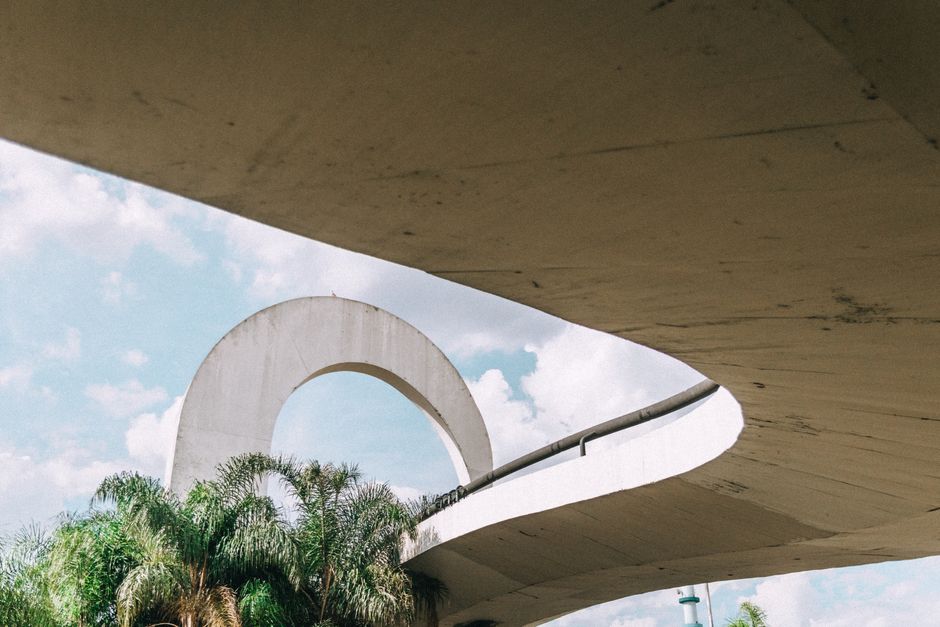
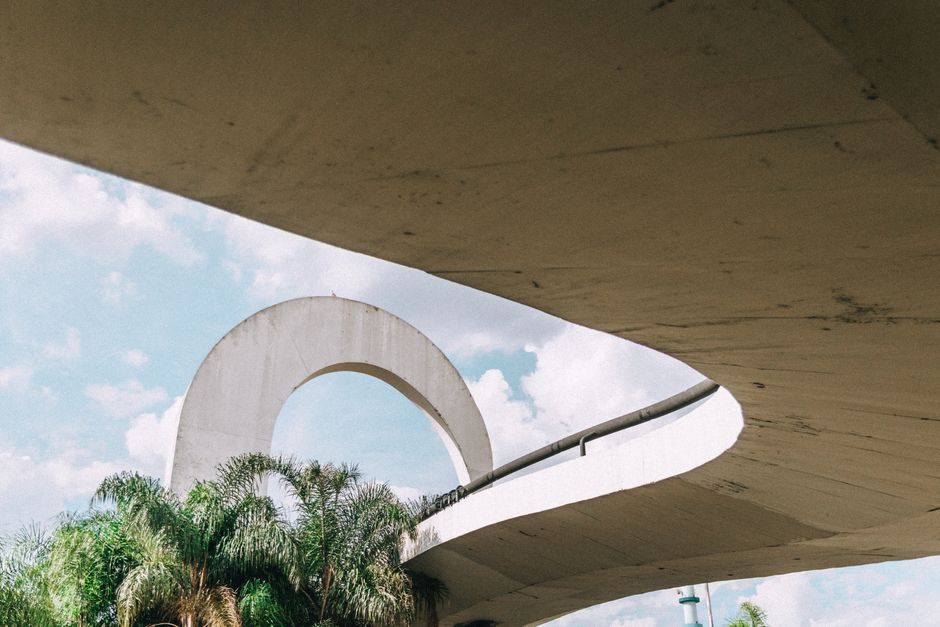
The data is clear: running during São Paulo's peak heat (11am–3pm) increases injury risk by up to 30%, according to sports medicine research published by Hospital das Clínicas. Early morning sessions on Ibirapuera Park's 3.6km main loop—starting before 7am—offer cooler temperatures and lower humidity, creating optimal conditions for longer distances. The park's tree-covered paths also provide natural sun protection that reduces core temperature elevation by an average of 2–3°C compared to exposed routes along Avenida Paulista.
Surface Selection Prevents Cumulative Stress
Evidence consistently shows that running on softer surfaces reduces impact-related injuries by 20–25%. Ibirapuera's mixed-surface trails—combining dirt paths, compacted earth, and occasionally concrete—naturally distribute impact better than homogeneous asphalt. By contrast, Sunday cycling routes along Avenida Paulista, while popular, involve harder surfaces that increase plantar fasciitis and knee strain risk for runners. Alternating between the park's varied terrain and the softer earth paths near Cantareira State Park (a 45-minute drive north) provides optimal adaptation stimulus.
Hydration Protocols for Humidity
São Paulo's average humidity hovers around 65–75%, significantly higher than temperate running regions. Sports nutrition science recommends consuming 150–200ml of fluid every 15–20 minutes during outdoor runs exceeding 45 minutes—roughly 30% more than cooler-climate guidelines. The proliferation of healthy cafés along routes (particularly in Vila Mariana and Pinheiros) now makes mid-run hydration accessible without carrying excess weight.
Building a Sustainable Schedule
Research on overuse injury prevention suggests runners benefit from one recovery day per three training days. São Paulo's running clubs—including those organised through Ibirapuera fitness hubs—increasingly structure group sessions around this principle, alternating high-intensity trail work with easier park loops. Cross-training, particularly cycling on flatter urban routes, allows cardiovascular maintenance while reducing cumulative joint stress.
The evidence is straightforward: outdoor running in São Paulo works best when adapted to local heat, humidity, and terrain. Strategic timing, surface variety, and hydration discipline aren't revolutionary—they're simply what the science recommends for this specific environment.
This article was compiled by AI from the sources linked above and screened before publishing. See our editorial standards.
How does this story make you feel?
Spread the word
About this article
Published by The Daily São Paulo
Daily brief
Free, in your inbox before 7am. Weekdays.
More in Wellness