Sleep wellness is reshaping São Paulo's nighttime culture—and changing how the city rests
From Vila Mariana sleep clinics to Pinheiros wellness studios, Paulistanos are finally taking rest seriously.
From Vila Mariana sleep clinics to Pinheiros wellness studios, Paulistanos are finally taking rest seriously.
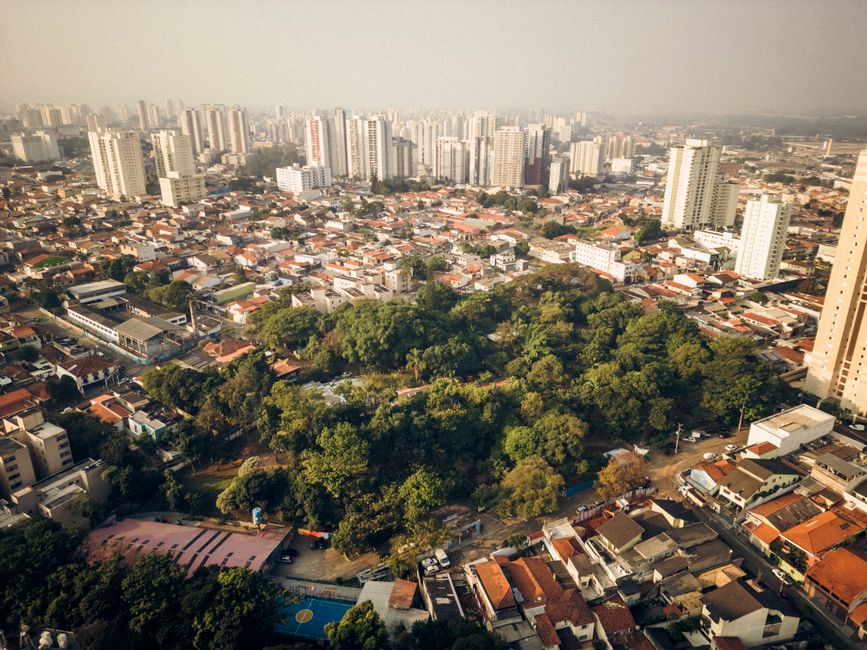
For decades, São Paulo wore sleeplessness as a badge of honour. The city that never stops moving—where business lunches stretch into dinners and nightlife thrums until dawn—had little patience for eight hours in bed. But something has shifted. Sleep wellness is no longer a luxury whisper among the wealthy; it's becoming a genuine lifestyle movement across neighbourhoods from Consolação to Itaim Bibi.
The trend reflects a broader understanding that rest isn't laziness—it's infrastructure. Hospital das Clínicas and private clinics across Vila Mariana have seen a 34% increase in sleep disorder consultations over the past two years, according to local sleep medicine specialists. The waitlists tell their own story: Paulistanos are finally asking why they're exhausted.
This awakening is visible in unexpected places. Specialist sleep studios have opened in Pinheiros, offering everything from circadian rhythm coaching to blackout sleep pods. Vila Madalena's café culture, once synonymous with endless coffee, now features herbal tea menus and "sleep-friendly" evening beverages. Even Ibirapuera Park—traditionally packed with runners and cyclists—now hosts early-morning yoga and restorative classes designed around sleep recovery cycles.
The wellness community is responding. São Paulo's growing network of sleep hygiene consultants, meditation studios, and circadian rhythm coaches have made rest a legitimate wellness category. Apps tracking sleep quality have become as common as fitness trackers. Some corporate offices in Avenida Paulista have even begun experimenting with rest rooms—a concept unthinkable five years ago in this relentlessly productive city.
Prices vary wildly. A single sleep consultation at private clinics in Higienópolis costs between R$300–500. Sleep coaching packages run R$1,500–3,000 monthly. Yet demand suggests Paulistanos consider it worthwhile, especially after pandemic-driven anxiety and burnout reset priorities.
Local sleep medicine experts emphasise that this shift matters beyond individual wellness. Chronic sleep deprivation costs São Paulo's economy billions annually in lost productivity and healthcare expenses. When a city this size finally prioritises rest, the ripple effects reach infrastructure, workplace culture, and public health.
The irony is delicious: São Paulo, the city of perpetual motion, is learning that sometimes the most productive thing you can do is stop moving. For wellness-conscious Paulistanos, that realisation has become transformative—and they're sleeping better for it.
For personalised sleep advice, consult a medical professional at Hospital das Clínicas or a licensed sleep specialist in your neighbourhood.
This article was compiled by AI from the sources linked above and screened before publishing. See our editorial standards.
How does this story make you feel?
Spread the word
About this article
Published by The Daily São Paulo
Daily brief
Free, in your inbox before 7am. Weekdays.
More in Wellness