Running São Paulo's Best Trails: Evidence-Based Tips That Actually Work for Local Conditions
From humidity management to trail selection, here's what the research says about staying safe and consistent on the city's most popular running routes.
From humidity management to trail selection, here's what the research says about staying safe and consistent on the city's most popular running routes.
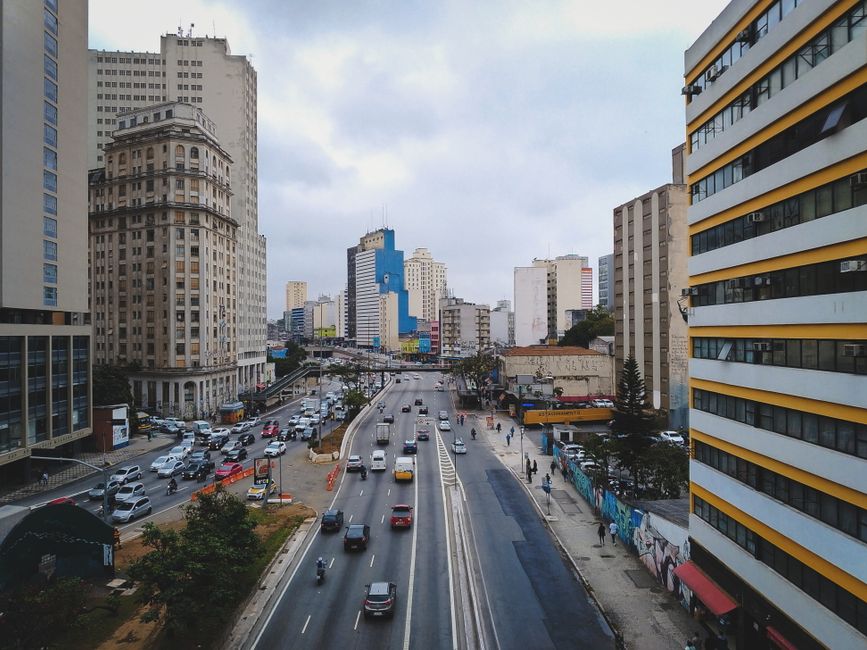
São Paulo's tropical climate presents unique challenges for outdoor runners. The city's average humidity hovers around 70 percent year-round, with summer months pushing toward 80 percent—a factor that directly impacts cardiovascular load and thermoregulation, according to sports medicine research. This means the running strategies that work in cooler climates often fail here.
Start with hydration timing, not volume. Studies show that sipping 150–200ml of fluid every 15–20 minutes outperforms larger, infrequent drinks during humid-weather exercise. For trails around Ibirapuera Park, where many runners complete 8–12km loops, this translates to carrying a small water bottle or timing runs with park water fountains rather than relying on pre-run hydration alone.
Surface choice matters more than most runners realize. Ibirapuera's asphalt paths are convenient for speed work, but the park's softer dirt trails near the Museu do Ipiranga reduce impact forces by up to 40 percent compared to hard surfaces—crucial for consistency in a city where runners often train four to five days weekly. Research consistently links varied surfaces to fewer overuse injuries, particularly in the knees and ankles.
Temperature management isn't just comfort; it's performance. Morning runs between 5:30 and 7:00am along Avenida Paulista offer cooler conditions and better air quality than midday efforts. The avenue's Sunday cycling program (which opens lanes to runners) averages 5–7°C cooler than surrounding neighbourhoods due to tree coverage and airflow patterns. Starting early also reduces exposure to peak pollution hours, typically 10am to 4pm.
Pace adaptation is essential. Evidence shows that running at perceived exertion rather than predetermined paces works better in high humidity. What feels like a comfortable 6:00/km effort in cool weather may require dropping to 6:30/km in São Paulo's conditions without overloading your aerobic system. This prevents the fatigue and illness spikes that plague runners ignoring local environmental demands.
The city's café culture supports recovery too. Studies on post-run nutrition show that consuming carbohydrates plus protein within 30–45 minutes accelerates glycogen resynthesis. São Paulo's proliferation of healthy cafés in Vila Mariana, Jardim Paulista, and around Hospital das Clinicas makes accessing proper recovery snacks straightforward—a significant advantage over less-developed running cities.
Finally, trail knowledge prevents injury. Apps like Strava highlight popular routes, but local running clubs through organizations like Federação de Atletismo de São Paulo offer community insight into surface conditions, water access, and seasonal hazards. Consistency beats intensity in Brazilian heat, and intelligent route selection—respecting local geography and climate—is how runners in São Paulo actually sustain long-term progress.
This article was compiled by AI from the sources linked above and screened before publishing. See our editorial standards.
How does this story make you feel?
Spread the word
About this article
Published by The Daily São Paulo
Daily brief
Free, in your inbox before 7am. Weekdays.
More in Wellness